“Aquaculture has been in my family for generations. My father grew fish, my grandfather grew fish, my great grandfather did the same. Like many other families in this area, we have a large pond right next to our house, but fish were always seen as a ‘side’ thing.
Read more





P.K.Laheri is one of Ambuja Foundation’s longest standing Board Members, and has had one of those careers where the mind simply boggles at all that was seen, heard and been a part of. He served as the Chief Secretary of Gujarat for 3 years and was the Chairman and Managing Director of the Sardar Sarovar Narmada Nigam Limited, Gandhinagar – responsible for the development of one of the largest water infrastructure projects Gujarat has ever seen. Oh to have been a fly on the wall …
Read more
At just 18 years of age, Beant is no stranger to social work. She got her first taste of it at the age of 11 as an Adolescent Peer Educator, and was hooked! As the primary driver of Ambuja Foundation’s Women Empowerment Programme in her community, Beant is a busy teen – juggling social work duties, studies in Tally, household chores and of course – all important time with friends!
Read more
Hem Raj, a 37 year old farmer, faced one big obstacle in his farming enterprise – getting his produce to market! With no road out of his village, the only way to sell goods, was to ‘walk it out’ – loading produce into baskets that they lugged up hills to the nearest bus stand. It was back breaking work and by the time they reached the market, produce was severely damaged.
Read more
Mansa Ram is 75 and supposed to be retired – living the relaxed and quiet life. But as an avid agriculturalist, water conservationist and the President of the Village Development Committee, Mansa is busier than ever! A retired Subedar Major of the 14 Dogra Regiment, Mansa retired from service in 1997 and has spent the last 25 years transforming his farm and village - and it all started with water. With a multitude of water issues in the area, Mansa has been a driving force behind the Village Watershed Development Committee and has transformed the water situation on his own property – advocating interventions to other farmers in the area.
Read more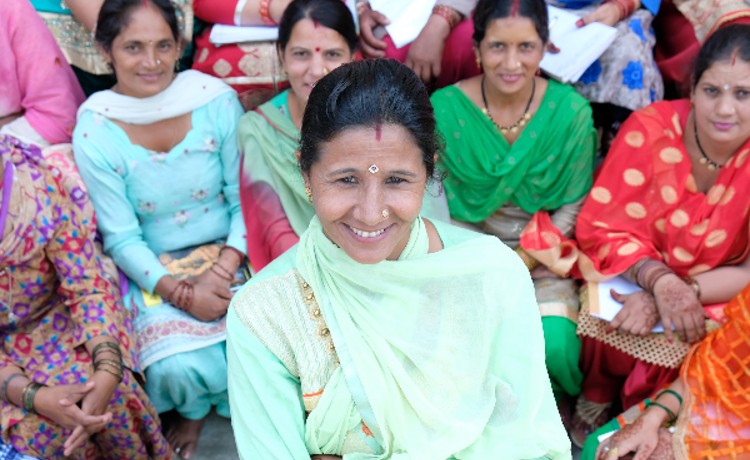
When it comes to community development, the selection of the right ‘Leaders’, can either make or break a project. Ambuja Foundation’s veteran rural development professionals, Ravi Nayse, Vice- President (Skills) and Manov Maity, Area Program Manager have a lot to say on the topic, simply because the success of their work relies upon it, so heavily.
Read more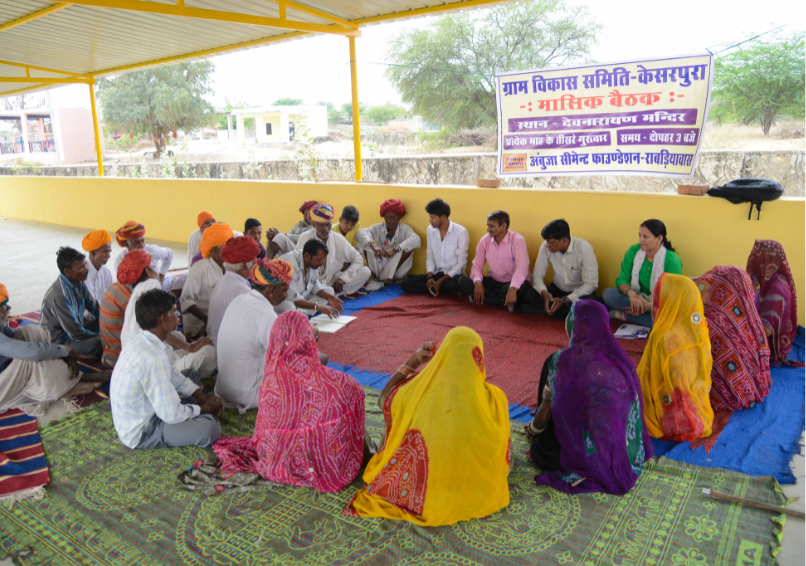
Ravi Nayse, Vice President (Skills) at Ambuja Foundation, has spent over 28 years in the development sector and, in his diverse and varied role at Ambuja Foundation, he has noticed a pattern. One which often sees an ‘exit strategy’ for programs, but where finding an ‘exit strategy’ from a community proves difficult …
Read more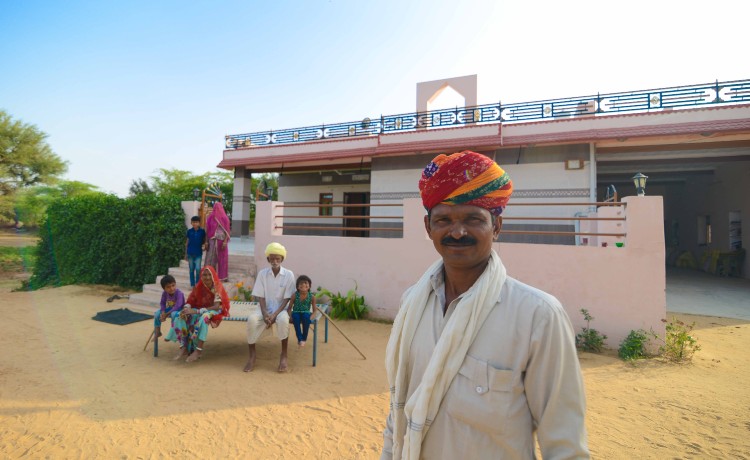
When you talk with Manoj Agarwal about the secret to success in rural development, he very passionately begins to espouse the ‘saturation approach.’ As one of Ambuja Foundation’s leadership team for Rajasthan & West Bengal Regions, Manoj believes that “if we are to truly see village transformation, every program must reach every household in a village – period.”
Read more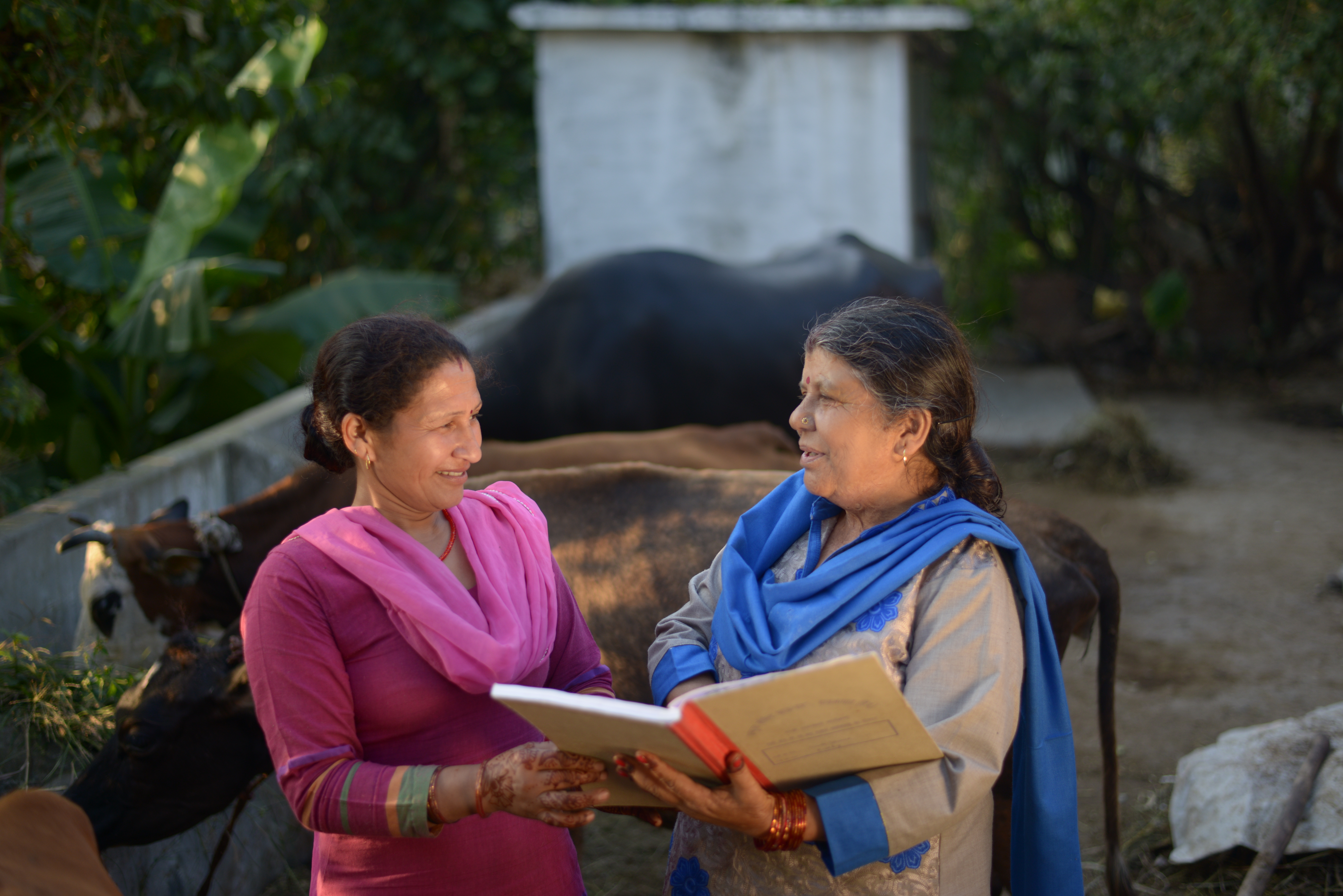
When it comes to implementing development programs in rural communities, paraprofessionals have emerged as powerful conduits to help bridge the gap between an implementing agency and the community and to fast-track outcomes.
Read more
Cyclone Tauktae, an extremely severe cyclonic storm, erupted as a tropical disturbance in the Arabian sea and travelled up the coast of Kerala, Karnataka, Goa and Maharashtra - finally making landfall in Gujarat, displacing over 2,00,000 people.
Read more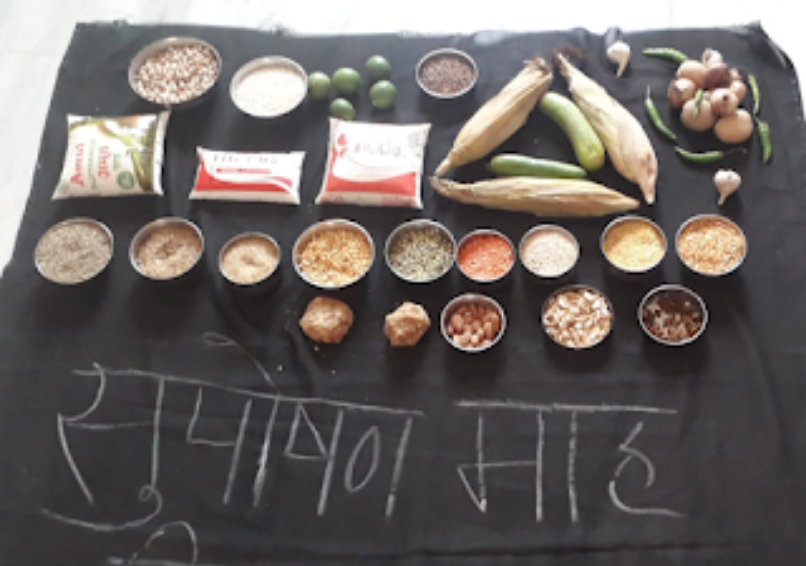
In order to tackle malnutrition which is an endemic in a larger number of districts in India, the month of September is celebrated as 'Rashtriya Poshan Maah' - a campaign of the Government of India to highlight nutrition as a key component of the National Development Agenda and achieve better nutritional outcomes.
Read more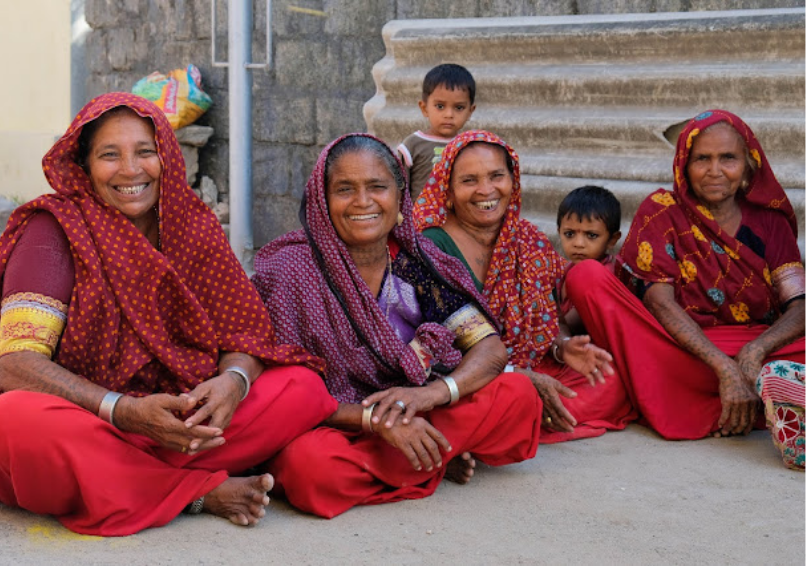
It is a common, yet misplaced assumption that rural Indians lack the skills and the education to manage their affairs, and hence require constant intervention from external agencies.
Read more