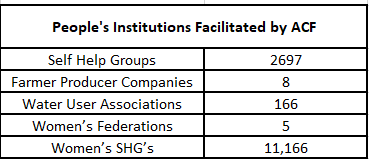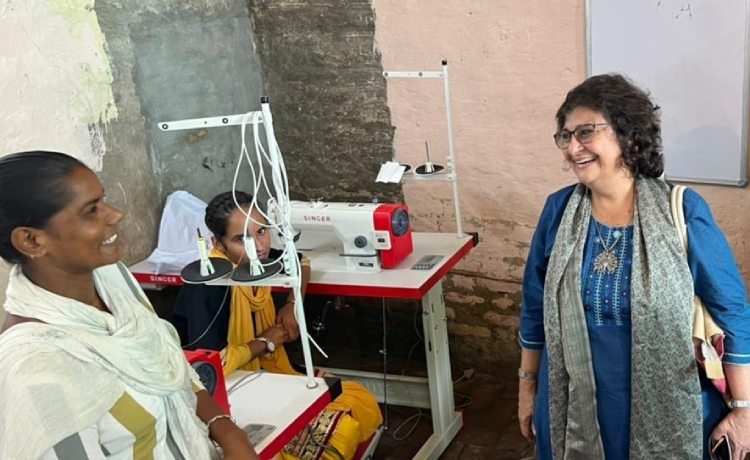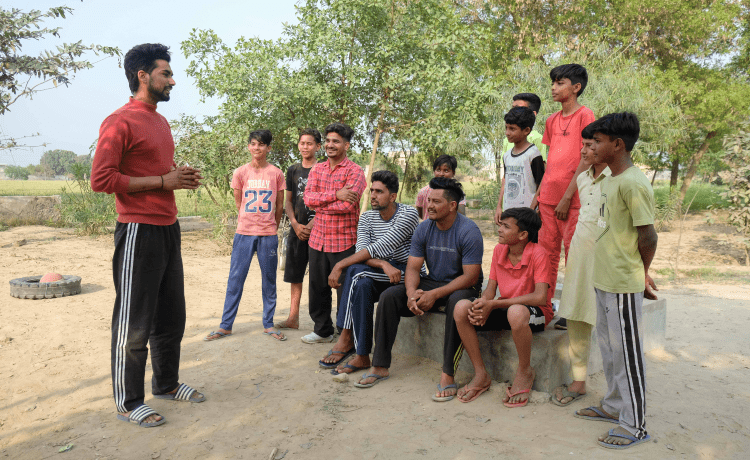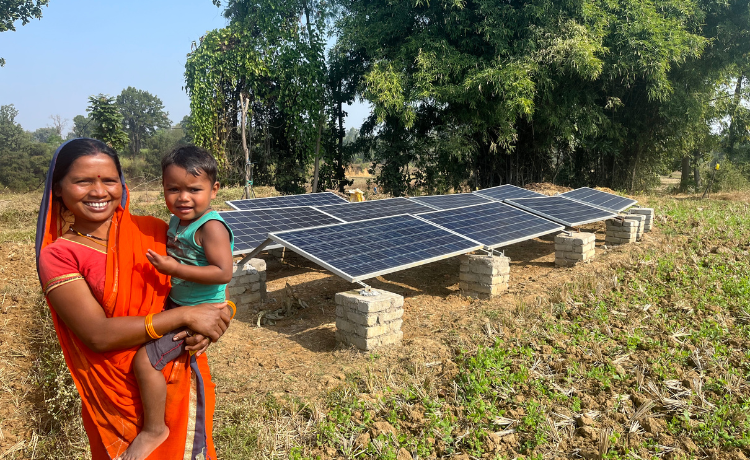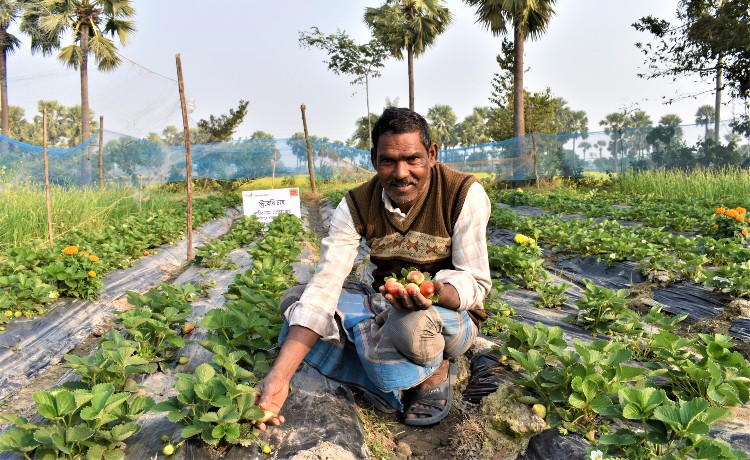



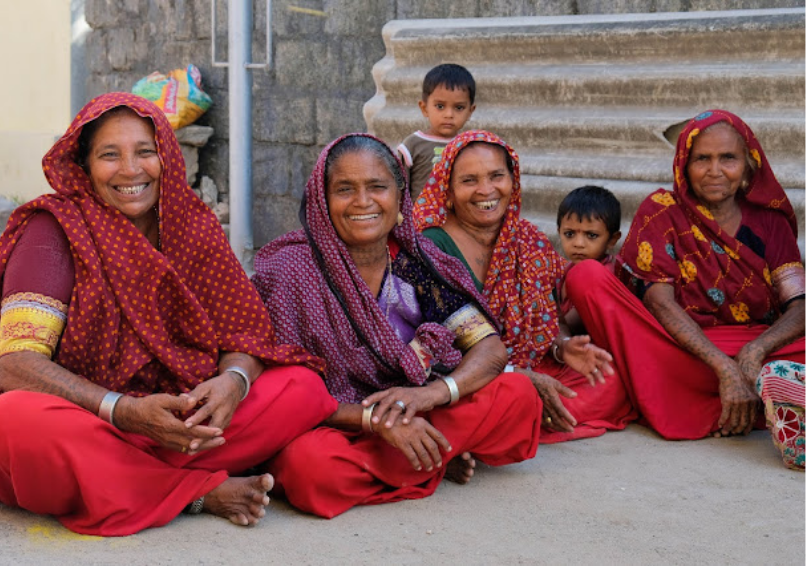
It is a common, yet misplaced assumption that rural Indians lack the skills and education to manage their affairs, and hence require constant intervention from external agencies. On the contrary, when the rural poor work collectively and design their own approaches to socio-economic progress, they can drive significant change. A diverse set of people's institutions is necessary for successful implementation of rural development programmes.
Panchayati Raj, introduced in 1992, aimed to build grassroots democracy, yet its developmental role has been limited and inconsistent due to factors like structural issues and a lack of community involvement. Despite this, PRIs remain important, and there's consensus on the need for reform. To enhance participation, many village-level user groups have been formed independently of PRIs. Over the last two decades, these People's Institutions (PIs) have played a catalytic role in rural India despite social complexities and traditions.
Some significant People's Institutions include:
- Village Development Committees (VDC): Voluntary groups leading social and economic transformation, building awareness about agriculture, health, education, and livelihood. During the pandemic, they played key roles in awareness, relief, and coordination with local administration.
- Watershed Development Committees: Under the Integrated Watershed Management Programme (IWMP), these committees use participatory approaches to manage projects suited to local geographies, involving SHGs and User Groups.
- Farmers Producer Companies (FPC): Help small and marginal farmers pool resources to process and market produce, increasing profitability and reducing distress. Over 7300 registered FPCs currently operate in diverse sectors like cultivation, dairy, and fisheries.
- Water User Associations (WUA): Manage local irrigation schemes under participatory irrigation management. Over 55,000 WUAs now manage 13 million ha of irrigated area, ensuring equitable water distribution and supporting rural drinking water schemes.
- Village Health, Sanitation and Nutrition Committees (VHSNC): Key to the National Rural Health Mission, these committees raise awareness on nutrition, identify malnutrition, promote local nutritious foods, monitor Anganwadi Centres, and improve community health access.
- School Management Committees (SMC): Under the Right to Education Act (2009), SMCs help improve teaching quality, monitor attendance, mid-day meals, sanitation, and oversee proper use of government funds for school development.