
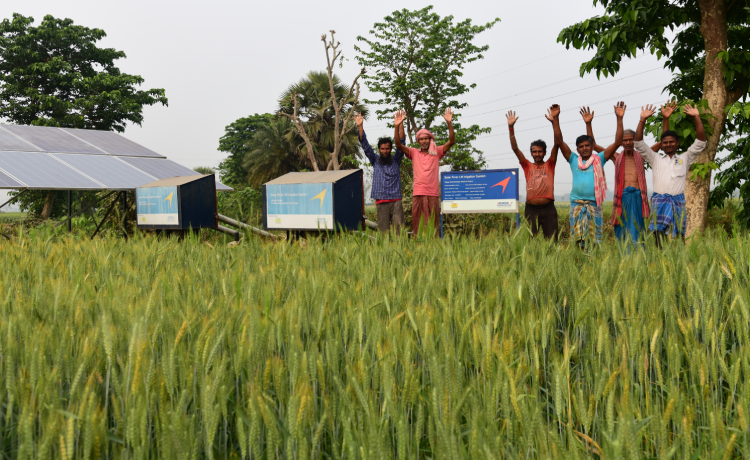
Renewable energy for stronger rural livelihoods and communities
For millions of rural families, agriculture is more than a livelihood. It is the foundation of food security, income, and hope for a better future. Yet unreliable water access, rising input costs, crop losses, and energy shortages continue to constrain rural prosperity. Across Ambuja Foundation geographies, renewable energy is helping address these challenges by improving access to water, reducing costs, strengthening essential services, and creating more resilient rural communities.
Renewable energy is helping change this reality.
From solar-powered irrigation that brings water to the fields, to fencing that protects crops from animal attacks, these solutions are helping farmers make their fields more productive and their livelihoods more secure. When a farmer no longer has to worry about whether water will reach the fields or whether crops will survive the season, it brings a sense of relief that is difficult to put into words.
But the impact of renewable energy does not end at the edge of the field. From clean household energy and better lighting to more reliable power in schools, health centres and community spaces, these solutions are making everyday life in rural India easier, safer and more affordable.
Strengthening Farms, Securing Livelihoods
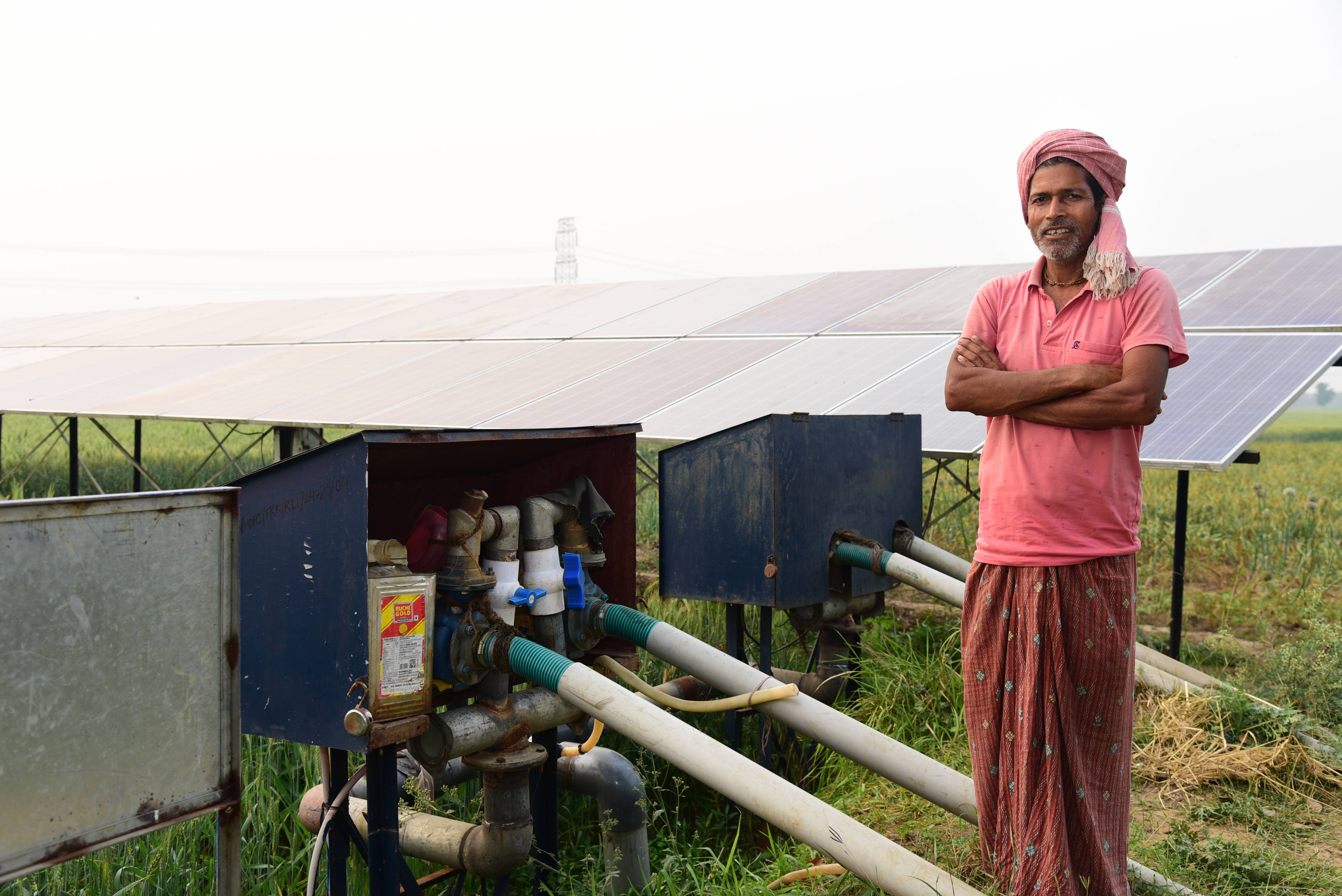
Across Ambuja Foundation geographies, solar pumps and lift irrigation systems are giving farmers more reliable access to water reaching their farms. This is enabling them to cultivate a wider range of crops – including wheat, mustard, cumin, vegetables and fodder – while making better use of their land across the agricultural season. The systems have also lowered irrigation costs, supported better crop production and reduced the time farmers spend managing irrigation by 25–30%. In 2025–26, 1,563 farmers adopted solar pump irrigation systems covering 419.48 ha area.
But water is only one part of the challenge. In many farming communities, wild animals such as Nilgai, wild boars and stray cattle can destroy standing crops, putting an entire season’s income at risk. Solar-powered fencing is helping farmers protect their fields from these animal attacks, safeguarding both their crops and the investment of time and money that goes into growing them. Over 4,000 farmers have their farms covered with solar fencing in 2025–26.
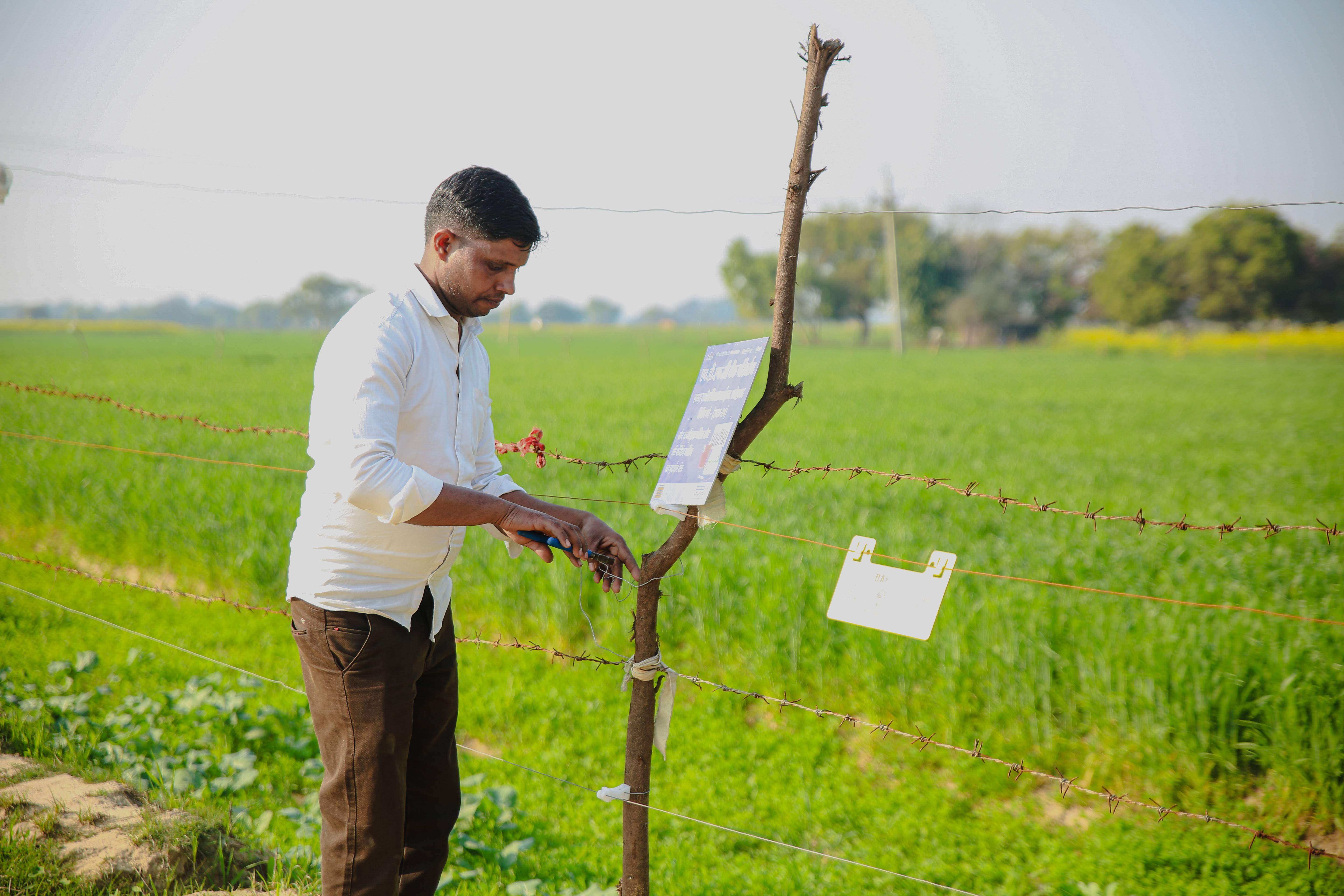
Together, these interventions are helping farmers do more than simply cultivate a field. They are helping them protect what they grow, reduce the costs and risks of farming, and build greater confidence in their livelihoods.
More Than the Field
However, renewable energy is doing much more than improving what happens on the farm. It is making everyday life in rural India easier – reducing the time, cost and uncertainty associated with basic needs, and creating opportunities that extend well beyond agriculture.
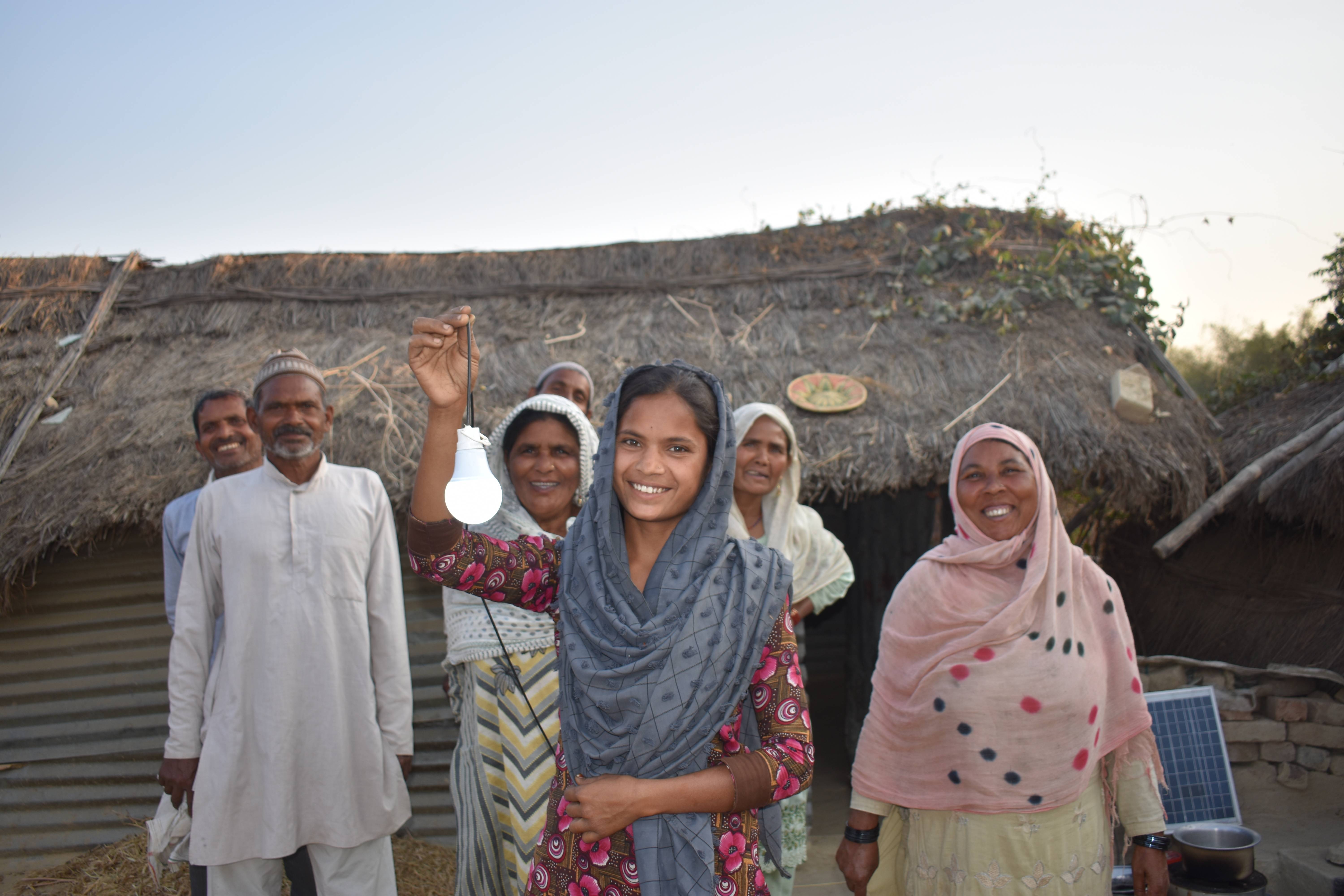
Household solar lighting allows families to carry on with their daily routines well after dark, especially during winter. Families can complete household tasks without worrying about the setting sun, while community spaces remain active long after daylight fades. In Ayodhya, over 500 solar lights were provided to households in 2025–26.
These solutions are also helping reduce the financial burden on households. Solar lighting and other renewable energy interventions are helping families reduce expenditure on kerosene, diesel, batteries and electricity.
Solar-powered lighting has improved electricity access in schools, supporting classroom activities and making digital learning tools more accessible where facilities are available. For teachers, dependable power supports lesson preparation and the use of educational equipment and digital learning, helping create more effective learning environments.
Community-based solar drinking water systems, in some places also known as Jal Minars, are making another basic necessity more accessible. In project locations like Rajasthan and Chhattisgarh, a total of 11 Jal Minars or drinking water systems set up in 2025–26 are helping provide clean drinking water to the rural community.
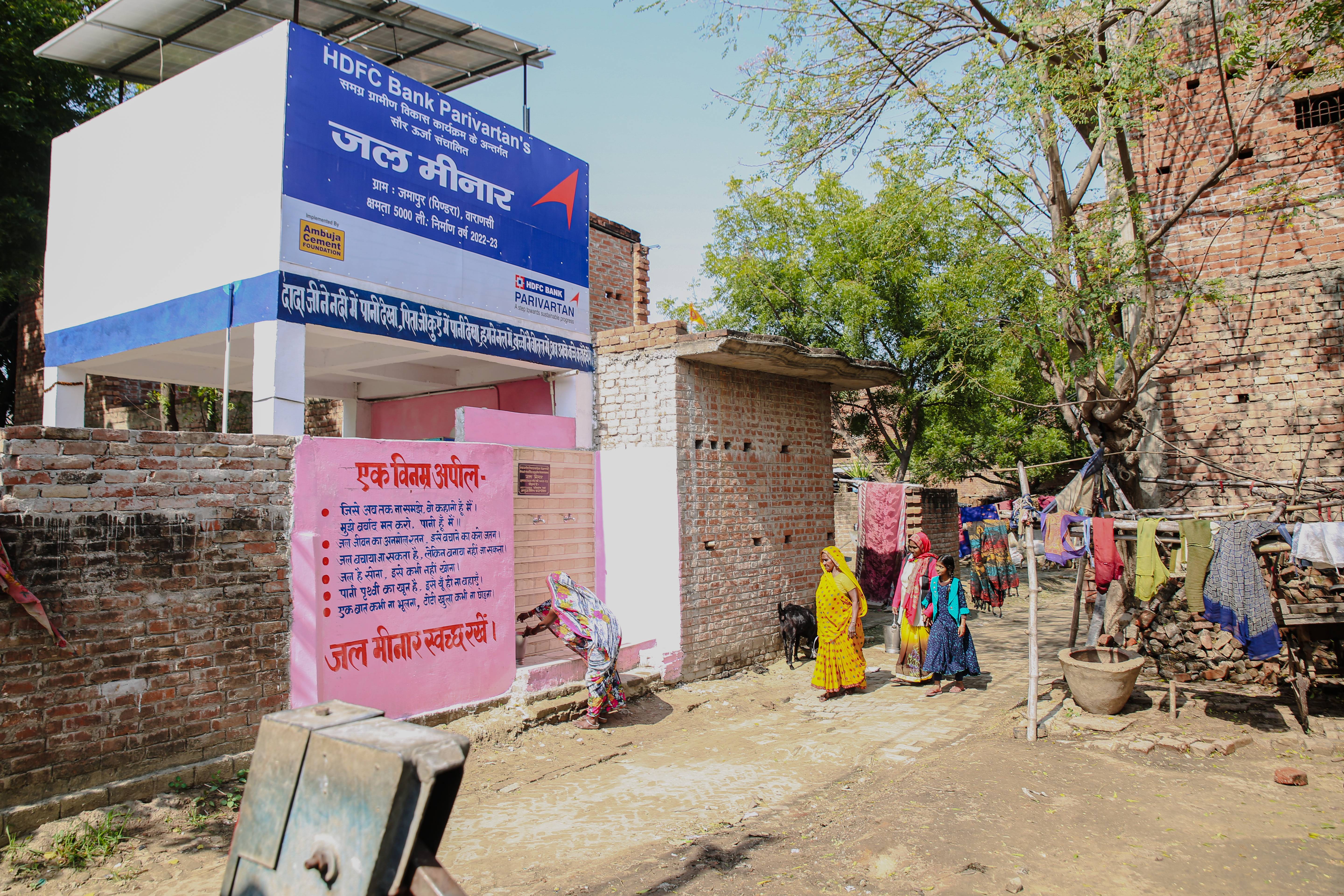
To know more about our Jal Minar systems, watch this video.
Powering Essential Services
Renewable energy is also helping strengthen the services that rural communities depend on.
The impact can also be seen in healthcare. When a health centre has dependable electricity, healthcare workers can focus on patients without worrying about power interruptions. Solar lights create safer and more welcoming spaces, while uninterrupted power helps community facilities serve people more effectively. Routine consultations and maternal and child healthcare services can be carried out with greater ease.
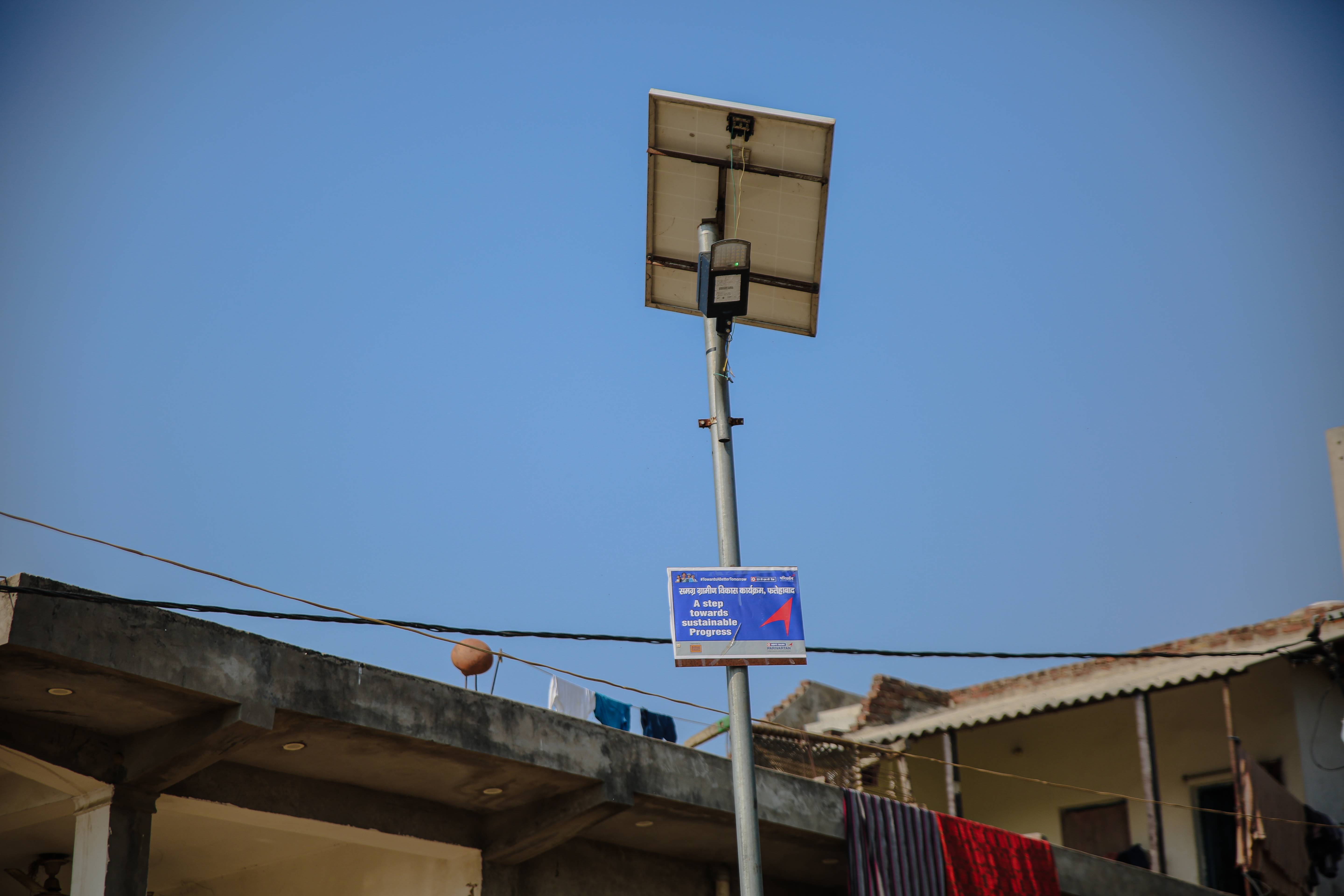
Solar streetlights are also making rural communities safer after dark, helping people move around more safely and reducing the risk of accidents. A total of 680 streetlights have been installed across locations in 2025–26.
Biogas: Turning Waste into Opportunity
In rural households, cattle are often an important part of daily life. Today, they are contributing in another meaningful way, through biogas. Ambuja Foundation is enabling rural families to convert cattle dung into clean cooking fuel, turning an everyday resource into a reliable source of energy. What makes biogas unique is its simplicity. It uses resources already available within the community and transforms them into something that improves life every single day.
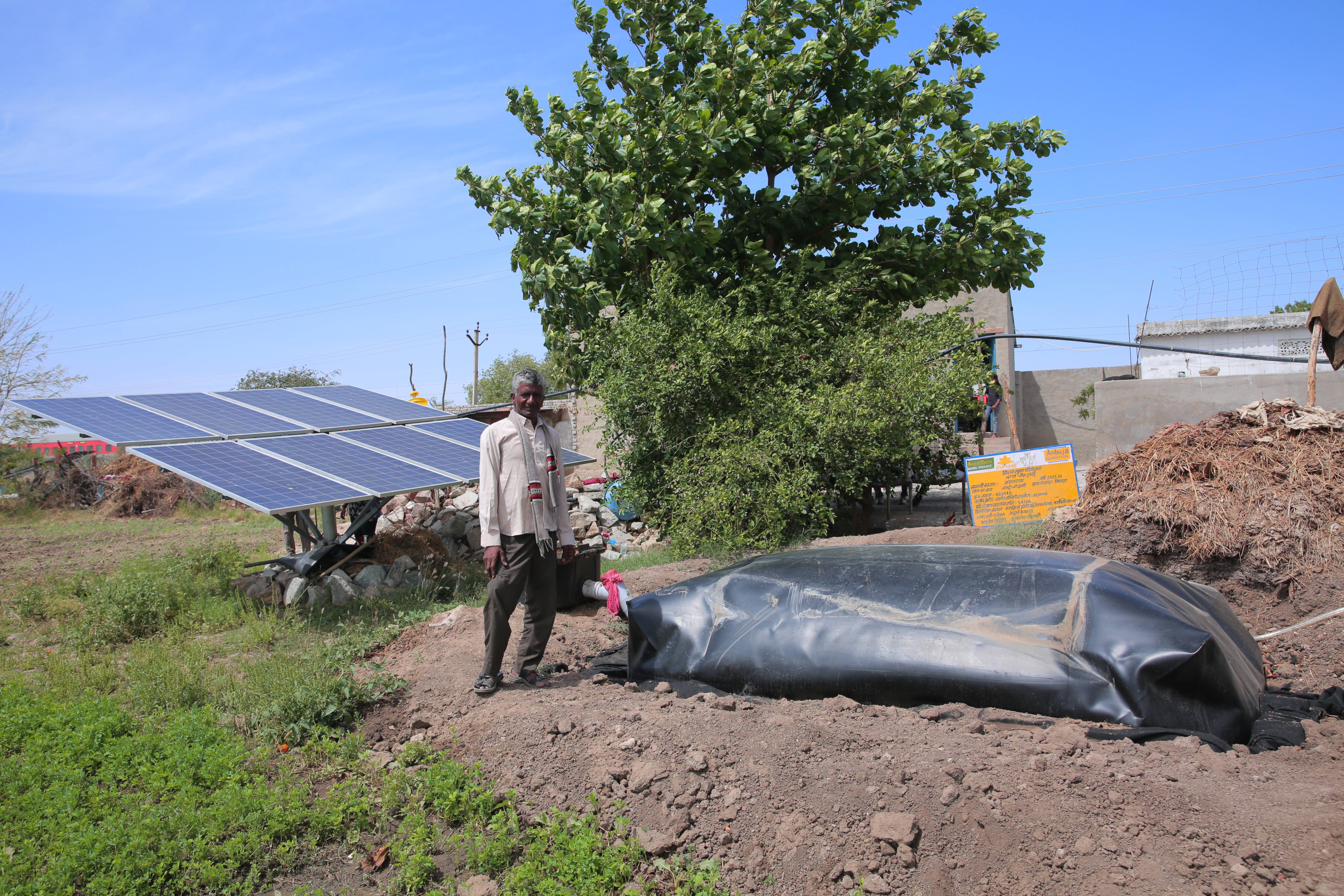
The benefits are especially significant for women, who spend a considerable amount of time in the kitchen. With biogas, cooking becomes cleaner and more comfortable, reducing exposure to smoke and creating a healthier environment at home. Families are also reducing their reliance on LPG and other fuels. In Chirawa, for example, households using biogas are saving at least six LPG cylinders, costing Rs. 950 each, and thus saving around Rs. 5,500 over a year. In 2025–26, 220 biogas units were installed across locations.
Equally important is the role biogas plays in supporting agriculture. The nutrient-rich slurry generated through the process is returned to the soil as organic manure, helping improve soil health and crop productivity. It helps reduce dependence on chemical fertilisers and returns nutrients to the soil. In this way, biogas creates a continuous cycle of benefits. Waste becomes fuel, fuel supports households, and the by-product strengthens the land that sustains livelihoods. This remarkable cycle lets nothing go to waste.
More Than Energy
Renewable energy is often discussed in terms of technology, infrastructure, or emissions reduction. In rural communities, however, its impact is measured differently. It is reflected in crops protected from loss, water available when it is needed most, safer streets after sunset, healthier kitchens, better learning environments, and stronger livelihoods.
By integrating renewable energy with water security, agriculture, health, education and community development, Ambuja Foundation is demonstrating that clean energy is not merely a source of power. It is a catalyst for resilience, opportunity and sustainable rural transformation, helping communities build a future that is both prosperous and environmentally responsible.