


May 27, 2022

Tackling Teacher Absenteeism with ‘Balmitra’s’

Walk into rural government schools, and you will often find a number of the teachers ‘absent’ from the classroom. In fact, according to Pratham’s ASER study, before the pandemic, approximately 30%, or roughly one in three teachers, were found to be absent on any given day in rural areas. The cost of this? Teacher absence in India in 2019-20 cost the country approximately Rs. 333.97 billion (USD 4.6 billion)*. However, the cost to children is much higher - the loss of their education and future potential.


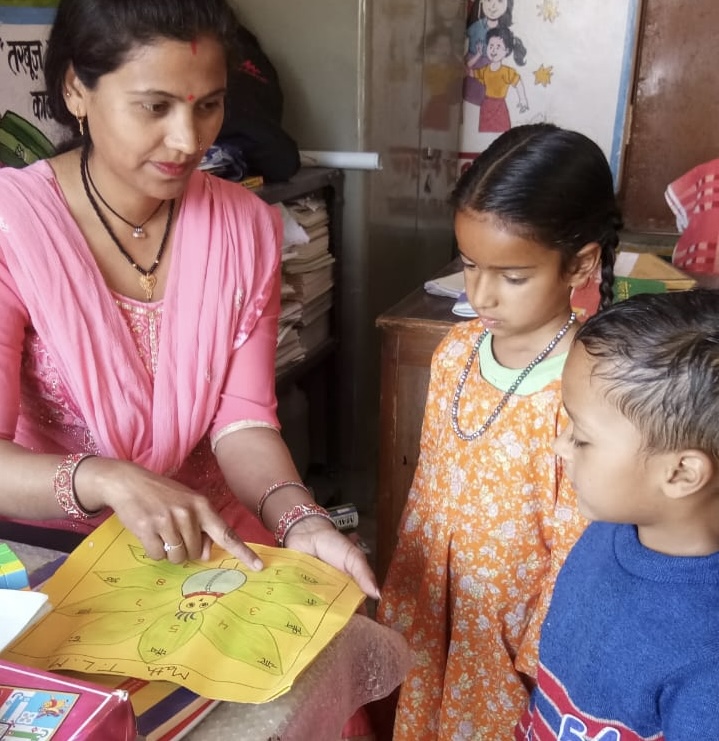
To tackle this rising problem, Ambuja Foundation working in collaboration with the local government placed ‘Balmitra’s’ (Friend of the Children) in Government classrooms – targeting children from 1st-6th grade by providing additional learning support in these formative education years.


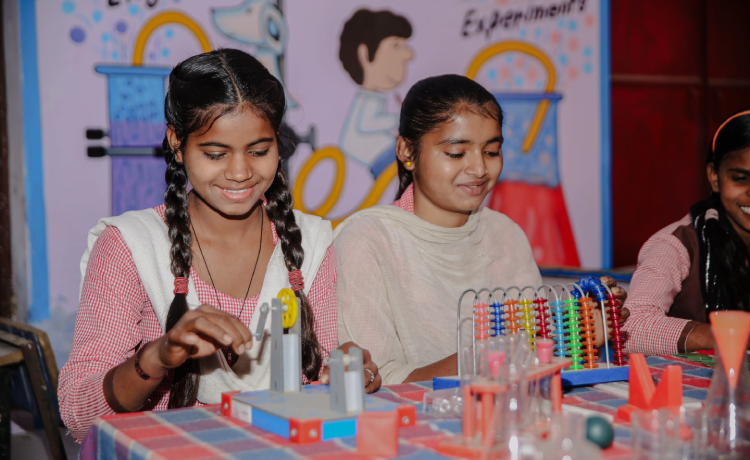
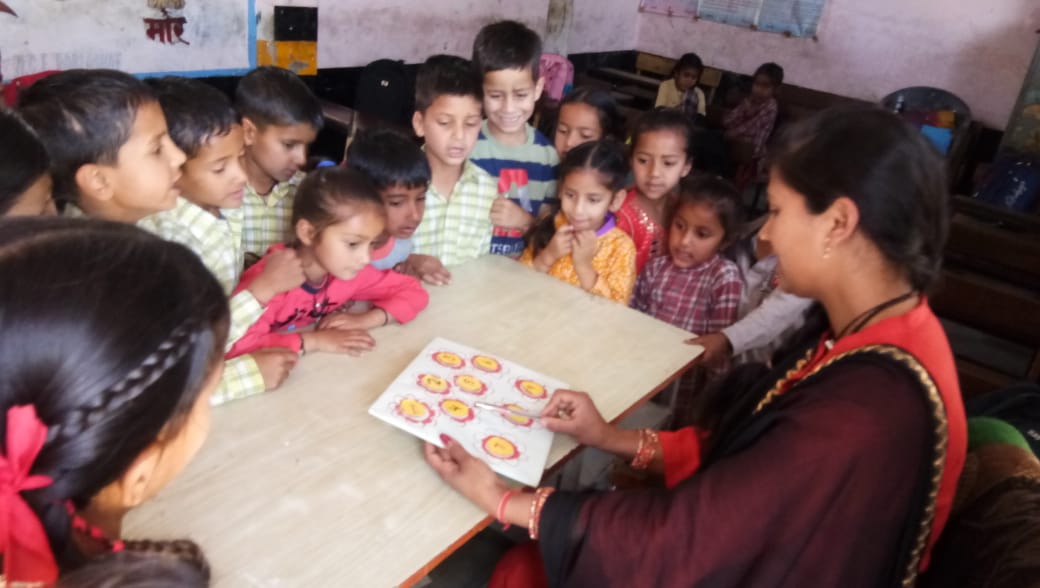
Assisting children in the classroom, driving activity-based learning, promoting health and hygiene, grooming and safety and awareness, these local women from the community trained as Balmitra’s are making a difference to the learning and developmental outcomes of rural children.

uploaded picture


Whilst the program has been in operation since 2007-08, the role of Balmitra’s became crucial during the pandemic, when out of school children began to lose some of their core literacy skills.


“We conducted a study after the first lockdown and saw that literacy levels were significantly impeded in many children, due to a lack of reading habits at home, and absence from the classroom,” said Arti Soni, Program Executive for Ambuja Foundation’s Education Program in Darlaghat.


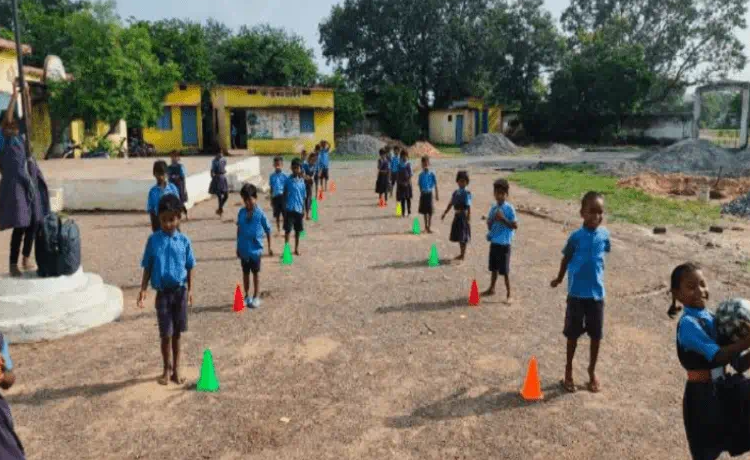
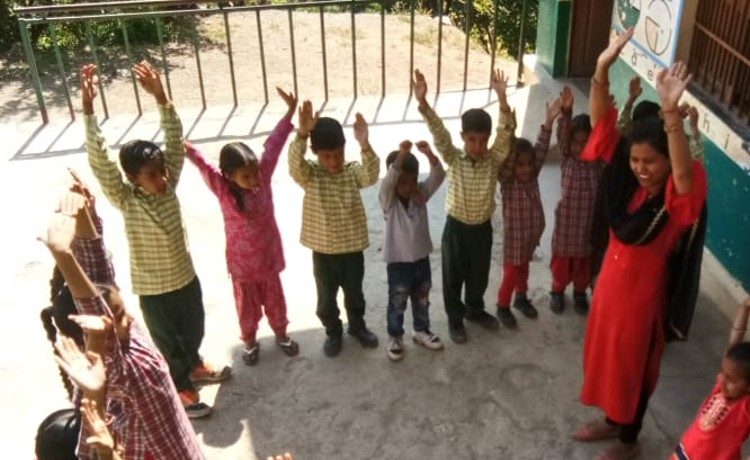
“Our Balmitra’s became frontline workers, working daily in the villages to engage children in active learning around literacy and sports – playing games, reading stories, singing, dancing, and learning along the way. And the results were good.” Arti said.


“The regular classes during the pandemic were a lifeline for children. Students continued their studies and made significant progress in reading.” She said. “The program saw significant progress with 20% progress in composite letter reading and 28% of children progressed to further levels.”


Whilst Balmitra’s have been able to make a dent in literacy levels across Ambuja Foundation locations, there are many other changes they are bringing about in children, inculcating good habits along the way. “Today, these children do not hesitate, are more engaged, expressive, confident, and have a more positive behaviour.” Arti said. “We engage parents also, and they see big changes in their children too.”


“In particular, special treatment is provided to slow learners to help them cope and keep up in the classroom. Balmitra’s also liaise with busy teachers and provide support – highlighting learning issues, and providing that extra hands on deck in packed classrooms.”

uploaded picture


Whilst the national student teacher ratio for all schools was 26:1 in 2018-19, according to a recent report by UNESCO on the state of education in the country, India has over 1 million teacher vacancies, out of which, 69% of them are in rural areas. And the need is likely to grow, given the shortages of teachers in certain education levels and subjects. In fifteen years, about 30 per cent of the current workforce will need to be replaced.


This is of grave concern for a country trying to raise the quality of education being imparted to its children. After all, the quality of teaching and teachers are central to delivering quality education for all. They enable education to achieve its transformative potential for individuals, communities and for overall national development.


Whilst they are not teachers themselves, Ambuja Foundation’s trained Balmitra’s, hired from within local rural communities, are helping to ‘fill the gap’ left by India’s teacher absenteeism problem, giving rural children and their parents support, and hope, to get the most from their education.


Source


*https://riseprogramme.org/sites/default/files/2021-05/Myth_of_Teacher_Shortage_in_India.pdf

Tags: Education
May 27, 2022

RELATED POSTS
  • Silver & Bronze Olympic Medals for AMK!
    April 28, 2017
    Shamsher Singh (24), a student from Ambuja Manovikas Kendra in Punjab, bagged two medals at the Special Olympics World Winter Games hosted in Austria in March 2017 - proudly bringing home a Silver and Bronze in Snowshoeing (100 m race and 50 m race respectively) for his performance.
  • Way Paved for Education
    April 28, 2017
    Chanda Ramgirwar of Hardona khurd village Chandrapur, bucked societal trends and family pressure when she sent her two daughters to study high school. She created community uproar when she sent them for College!
  • NIOS Exams Success!
    July 06, 2017
    AMK students have consistently managed to defy social taboos and stereotypes associated with intellectual disability. And they've done it again!
  • Challenging Perceptions - News from AMK
    July 23, 2018
    AMK students have once again challenged perceptions of what the differently-abled can and cannot do, with 4 students passing their NIOS exams with more than 60% marks.
  • Graduation Time: 1st Batch from AMKs Skilling Centre
    November 17, 2018
    Fifteen differently-abled youth are today earning an average of Rs. 1500 per month, thanks to their new vocational skills and home based enterprises. The first batch of 17 students graduated from Ambuja Manovikas Kendra's Skill Development Centre in August 2018 -- showcasing the potential for differently-abled youth to learn and earn.
An Opportunity to Support
SUBSCRIBE TO OUR NEWSLETTER & BLOGS
Stay updated on the latest insights from Ambuja Cement Foundation.
GET CONNECTED

Tackling Teacher Absenteeism with ‘Balmitra’s’

Walk into rural government schools, and you will often find a number of the teachers ‘absent’ from the classroom. In fact, according to Pratham’s ASER study, before the pandemic, approximately 30%, or roughly one in three teachers, were found to be absent on any given day in rural areas. The cost of this? Teacher absence in India in 2019-20 cost the country approximately Rs. 333.97 billion (USD 4.6 billion)*. However, the cost to children is much higher - the loss of their education and future potential.


To tackle this rising problem, Ambuja Foundation working in collaboration with the local government placed ‘Balmitra’s’ (Friend of the Children) in Government classrooms – targeting children from 1st-6th grade by providing additional learning support in these formative education years.


Assisting children in the classroom, driving activity-based learning, promoting health and hygiene, grooming and safety and awareness, these local women from the community trained as Balmitra’s are making a difference to the learning and developmental outcomes of rural children.


uploaded picture


Whilst the program has been in operation since 2007-08, the role of Balmitra’s became crucial during the pandemic, when out of school children began to lose some of their core literacy skills.


“We conducted a study after the first lockdown and saw that literacy levels were significantly impeded in many children, due to a lack of reading habits at home, and absence from the classroom,” said Arti Soni, Program Executive for Ambuja Foundation’s Education Program in Darlaghat.


“Our Balmitra’s became frontline workers, working daily in the villages to engage children in active learning around literacy and sports – playing games, reading stories, singing, dancing, and learning along the way. And the results were good.” Arti said.


“The regular classes during the pandemic were a lifeline for children. Students continued their studies and made significant progress in reading.” She said. “The program saw significant progress with 20% progress in composite letter reading and 28% of children progressed to further levels.”


Whilst Balmitra’s have been able to make a dent in literacy levels across Ambuja Foundation locations, there are many other changes they are bringing about in children, inculcating good habits along the way. “Today, these children do not hesitate, are more engaged, expressive, confident, and have a more positive behaviour.” Arti said. “We engage parents also, and they see big changes in their children too.”


“In particular, special treatment is provided to slow learners to help them cope and keep up in the classroom. Balmitra’s also liaise with busy teachers and provide support – highlighting learning issues, and providing that extra hands on deck in packed classrooms.”


uploaded picture


Whilst the national student teacher ratio for all schools was 26:1 in 2018-19, according to a recent report by UNESCO on the state of education in the country, India has over 1 million teacher vacancies, out of which, 69% of them are in rural areas. And the need is likely to grow, given the shortages of teachers in certain education levels and subjects. In fifteen years, about 30 per cent of the current workforce will need to be replaced.


This is of grave concern for a country trying to raise the quality of education being imparted to its children. After all, the quality of teaching and teachers are central to delivering quality education for all. They enable education to achieve its transformative potential for individuals, communities and for overall national development.


Whilst they are not teachers themselves, Ambuja Foundation’s trained Balmitra’s, hired from within local rural communities, are helping to ‘fill the gap’ left by India’s teacher absenteeism problem, giving rural children and their parents support, and hope, to get the most from their education.


Source


*https://riseprogramme.org/sites/default/files/2021-05/Myth_of_Teacher_Shortage_in_India.pdf


LinkedIn Post
Ambuja Foundation