


In order to tackle malnutrition, which remains endemic in many districts of India, the month of September is celebrated as Rashtriya Poshan Maah — a Government of India campaign to highlight nutrition as a key component of the National Development Agenda and achieve better nutritional outcomes.
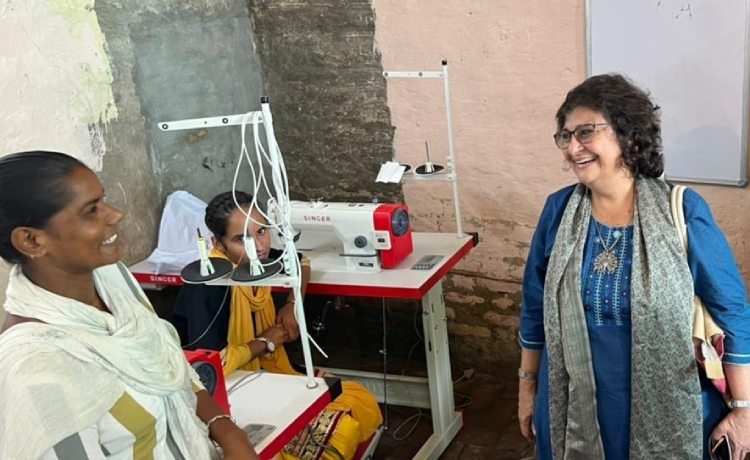
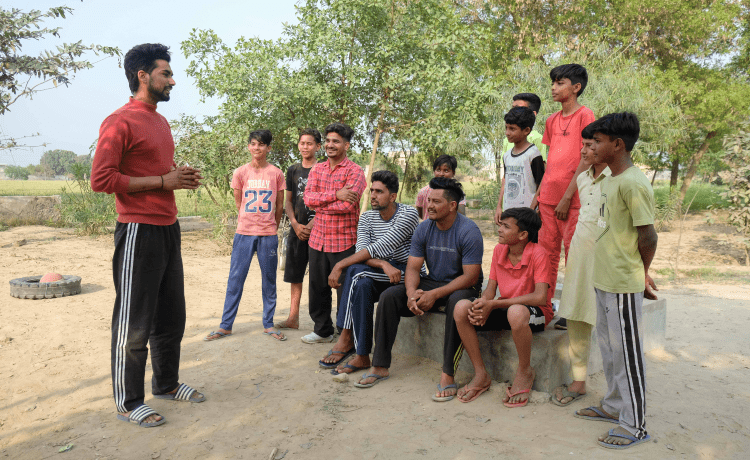
Across locations, Ambuja Foundation mobilized the community and encouraged participation by organizing a range of activities to promote nutrition, especially among women and mothers. Here is a photo story of the activities organized in the villages:
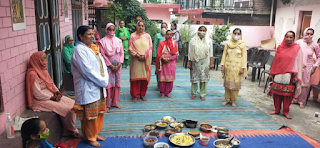
A nutritional demonstration was organized by community members at Lalhana village, where they prepared supplementary and complementary foods. This enabled Sakhis to provide practical demonstrations about good nutrition.
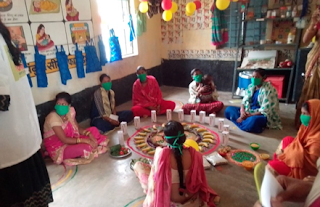
An awareness program was also organized for ante-natal and pre-natal care with the support of ICDS and the Childline Department in Baloda Bazaar.
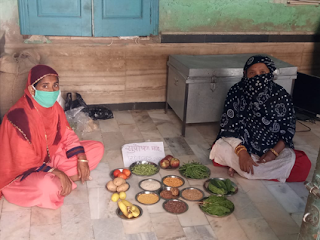
Women at Anganwadi centres also learned about the benefits of good nutrition. They discussed the importance of nutrition during pregnancy and after delivery, and emphasized the critical first 1000 days of maternal and child health (MCH), along with awareness about child abuse.
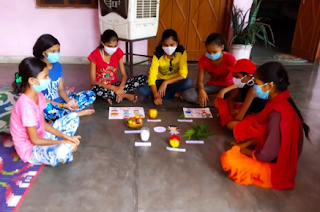
Children were also educated on the importance of nutrition and the right foods to eat to build energy.
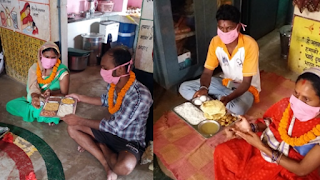
For the first time, husbands were also invited to be educated on caring for ANC mothers during pregnancy and after delivery.
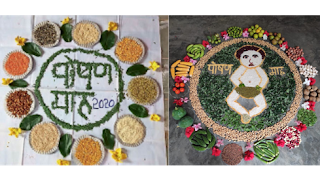
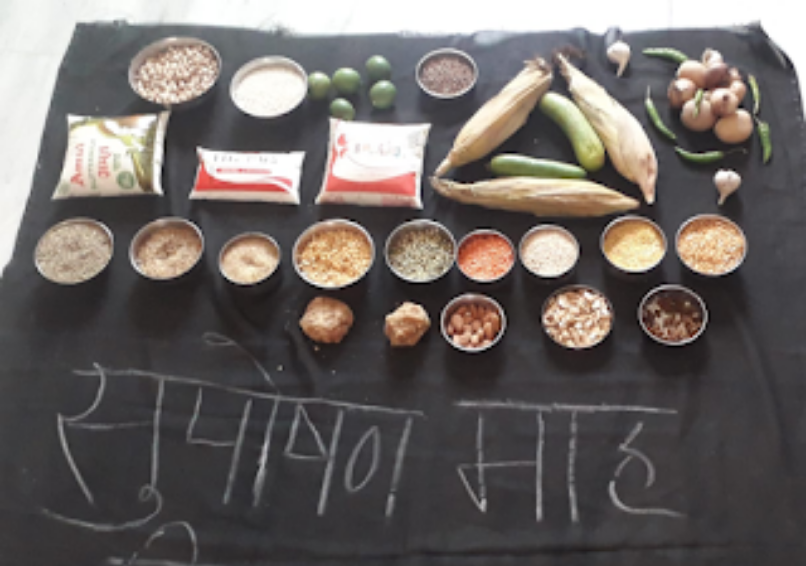
Some women in Dadri even went the extra mile to make Rangolis with nutritious food to make it attractive for other women and help Sakhis explain better.
As part of Ambuja Foundation's year-round maternal and child health initiative, malnutrition is a key focus. Sakhis identify undernourished children and mothers, provide diet plans, nutritional supplements, conduct plantation drives for kitchen gardens, and promote breastfeeding and age-appropriate complementary feeding.
Ambuja Foundation has a cadre of 143 Sakhis who reach out to mothers through maternal and child health services. The use of behaviour change communication — like nutrition discussions with mothers (Poshan Ghosti), dialogue sessions, poster competitions, and nutrition Rangoli — brings change, enabling Anganwadi workers, ASHAs and ANMs to strengthen the public health system and work on 1000-day interventions for maternal and child health.