


December 01, 2024

Crossing the threshold: A journey of empowerment

About a year ago, Ambuja Foundation decided to stop using the word “housewife” and adopted “homemaker” instead. Because language matters. And in the arena of women empowerment, it matters more than we perhaps realise. A simple change of word can take us across a threshold toward a new future. A woman is not limited to a house and its boundaries. She’s the maker of a home, a mainstay of her family, and a person in her own right.


Nearly 30 years of working assiduously with women in rural communities across the country has brought home the complexities surrounding the issue of empowerment. Taking the women’s empowerment programme to its next phase, Ambuja Foundation has charted a holistic strategy involving all its six verticals: agriculture, water, skills, women, education, and health. The aim is to equip women with four essentials––skills, knowledge, opportunity, and access.


The meaning of one’s own money: SHGs


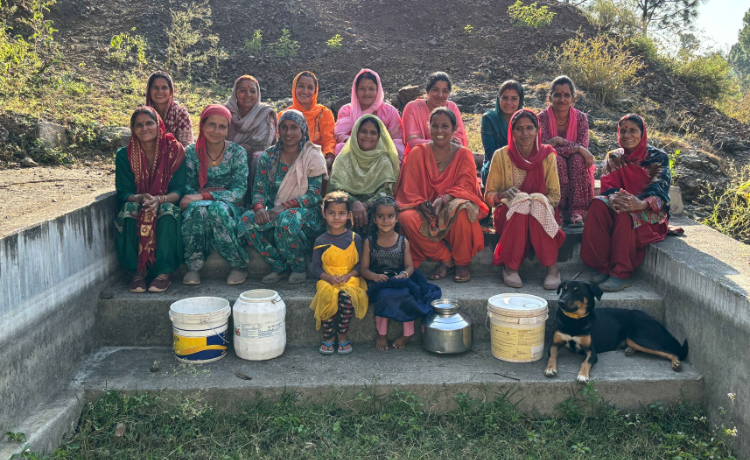
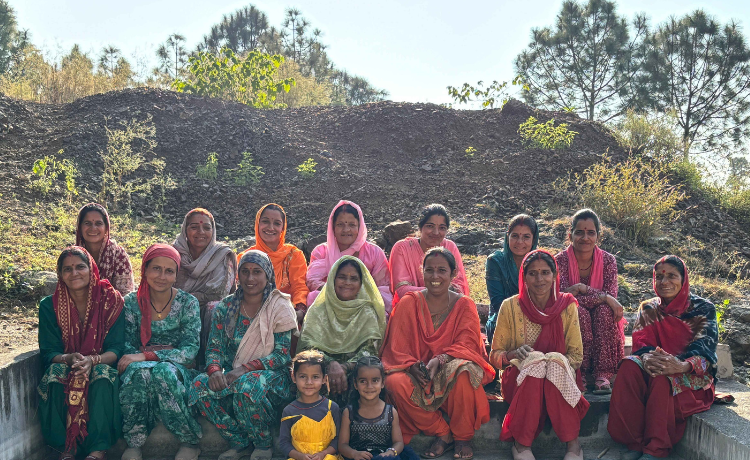
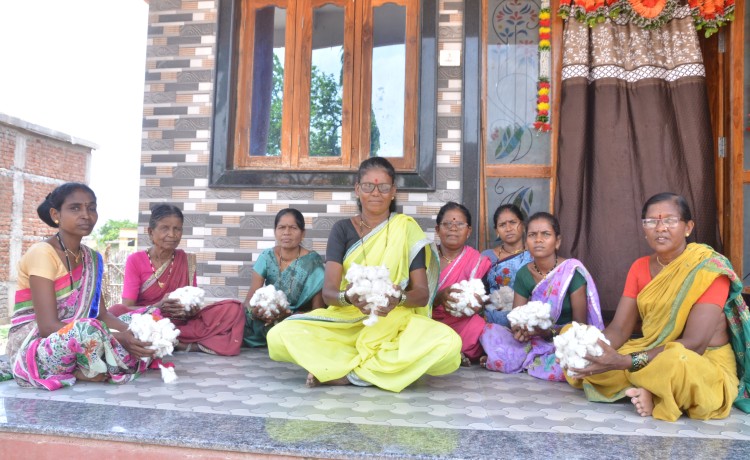
The wider impact of empowerment was evident from the early days. When the very first self-help groups (SHG) were formed around 200, close-knit circles of women were encouraged to save money. Starting with meagre monthly savings of Rs. 20 to Rs. 50, within a few years, their corpus grew. They learnt the basics of banking with partnering Government agencies, and started taking loans to pay for children’s education, home repairs, better nutrition, even agricultural or livestock needs; all the things they considered important. As women became financially more independent and their husbands took note of their contributions, they began to have a say in their homes. That was the first step outside the bounds of tradition.


At home and abroad: New roles in society


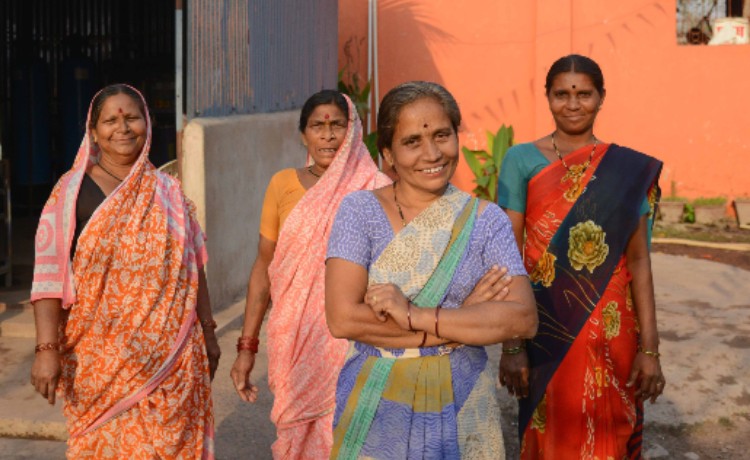
The SHGs grew in number and became pathways to federations and co-operatives, where women engage in social and economic ventures, actively improving their communities. The marginalized Dewar women of the Pooja SHG at Chattisgarh’s Rawan village have, in collaboration with Ambuja’s waste management arm, turned garbage collection into a means of generating income. They also spread awareness about hygienic living. In Chandrapur, Maharashtra, the Ekta Mahila Federation leads efforts to create open defecation free villages.


From women in homes without a voice to leaders of communities, soon enough it was time to enter a larger stage… politics. Today, there are 117 women elected to Gram Panchayats. Chanda Tai of Warora Block in Chandrapur was a Sarpanch, inspiring people far and near.

uploaded picture


Taking charge, building her community: Sakhis


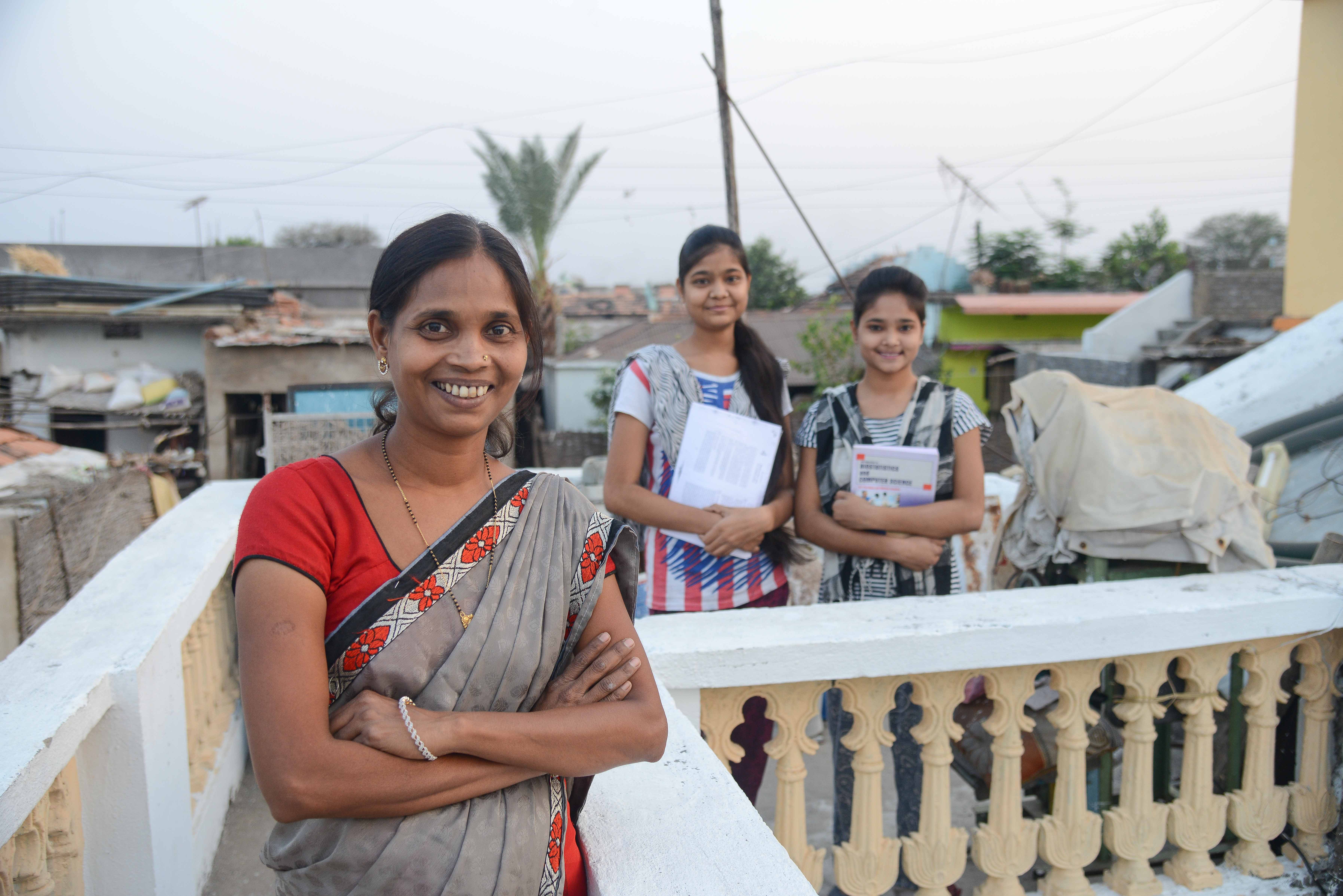
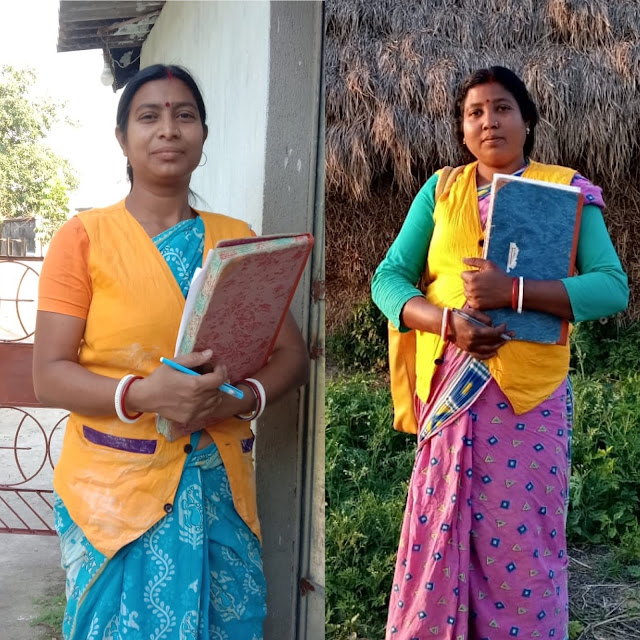
Back in 2005, while planning health interventions, the idea of the Sakhi was born. A Sakhi was like a close female friend, from the community, present all the time, and trained to handle health concerns and emergencies. It turned out that the Sakhis were not only of immeasurable value as frontline community health workers, they could also reach places outsiders couldn’t. They could enter the inner spaces of the home, where women confided in them, speaking of things they wouldn’t otherwise; “private” matters like domestic abuse, alcoholism, personal health worries, problems that rarely see the light of day, and remain unresolved.


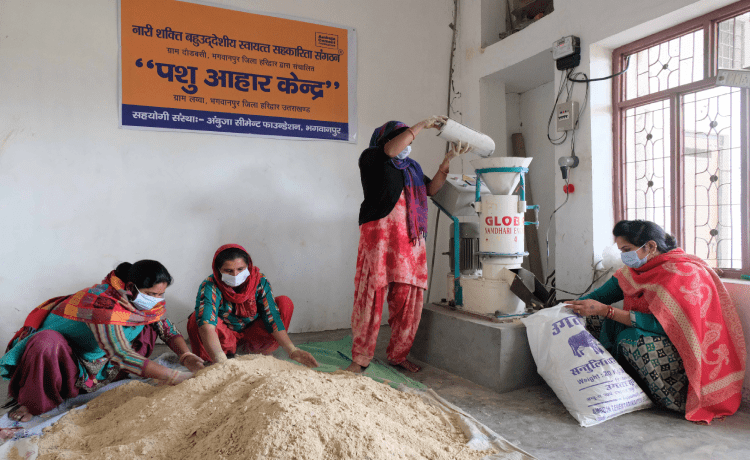
Informed, assertive, and committed to helping the world beyond their household, Sakhis have elevated their social standing by sheer hardwork. Their participation is sought in local development initiatives. The concept has now spread to other areas of rural life – where women are trained to provide essential services in rural villages in crucial areas like agriculture, veterinary health, water and education. This army of empowered and enabled women are driving a variety of local change in their communities and have become local leaders and roles models in the process.


There’s no stopping her now


During one of the worst crises ever, COVID-19, women shone. In Farakka, West Bengal, Sakhis like Chinu Mandal and Rakhi Singha helped the Government track returning migrant labour, and also educated people, saving many lives. When husbands working in cities couldn’t find the means to come back, their wives stepped up. They took loans from their SHGs, organised vehicles, and brought the menfolk home. An indomitable streak in them through a devastating pandemic.

uploaded picture


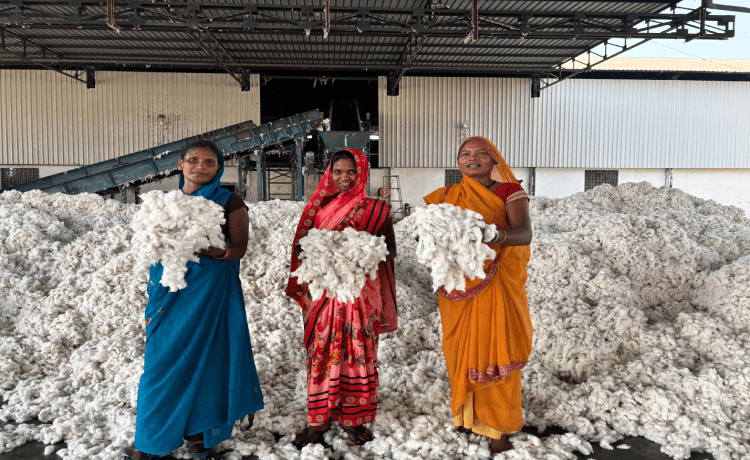
Ambuja Foundation’s interventions have empowered close to 38,000 women. That first step across the prescribed boundaries was crucial, and the toughest. But once it was taken, nothing would stop her again, women are exploring different avenues of sustainable growth and prosperity. Today women’s workload has risen due to double burden, there’s a lot to be done at home and outside. Ambuja acknowledges it and is highlighting the gender equality approach so that care work burden is shared by all members of the family. A new threshold to be crossed, and the story of empowerment continues, past challenges, scaling the odds, taking hurdles in its stride.
Tags: Women
December 01, 2024

RELATED POSTS
  • World Women's Day Celebrations
    April 28, 2017
    Thousands of women from across Ambuja Cement Foundation Communities came together to celebrate World Women's Day on 8th March 2017 with a variety of events to highlight the role of women in catalyzing change in their communities, and generating prosperity within the family.
  • Girls as Breadwinners!
    July 06, 2017
    Its World Skills Day this month and to celebrate, we applaud the power of women as family bread-winners and earners.
  • Humans of Ambuja - Veerpal Kaur
    October 08, 2017
    My mother married me off just before I was to appear for my tenth grade exams. And marriage was more of a shock than a joyful experience for me.
  • Meet The Cow Lady, The Milk Lady, And The Hen Lady: 3 Stories Of Courageous Women Who Are Now The Driving Force In Their Families; Thanks To Education
    August 21, 2018
    Economic empowerment leads to social empowerment; this has never been truer than in the case of women. Research shows that when a woman has the means to earn money, she can be an able partner in decision making for the family and is more prudent than men at taking decisions that can take the family out of poverty.
  • Balance for Better - The Ambuja Foundation Way
    February 20, 2019
    Ambuja Foundation places a large focus on 'gender balance' across its programs. Whether it is ensuring women farmers are engaged in their Agricultural Livelihoods program or breaking gender stereotypes through Skill Training, Ambuja Foundation has worked hard to create a balance for women across its program.
An Opportunity to Support
SUBSCRIBE TO OUR NEWSLETTER & BLOGS
Stay updated on the latest insights from Ambuja Cement Foundation.
GET CONNECTED

Crossing the threshold: A journey of empowerment

About a year ago, Ambuja Foundation decided to stop using the word “housewife” and adopted “homemaker” instead. Because language matters. And in the arena of women empowerment, it matters more than we perhaps realise. A simple change of word can take us across a threshold toward a new future. A woman is not limited to a house and its boundaries. She’s the maker of a home, a mainstay of her family, and a person in her own right.


Nearly 30 years of working assiduously with women in rural communities across the country has brought home the complexities surrounding the issue of empowerment. Taking the women’s empowerment programme to its next phase, Ambuja Foundation has charted a holistic strategy involving all its six verticals: agriculture, water, skills, women, education, and health. The aim is to equip women with four essentials––skills, knowledge, opportunity, and access.


The meaning of one’s own money: SHGs


The wider impact of empowerment was evident from the early days. When the very first self-help groups (SHG) were formed around 200, close-knit circles of women were encouraged to save money. Starting with meagre monthly savings of Rs. 20 to Rs. 50, within a few years, their corpus grew. They learnt the basics of banking with partnering Government agencies, and started taking loans to pay for children’s education, home repairs, better nutrition, even agricultural or livestock needs; all the things they considered important. As women became financially more independent and their husbands took note of their contributions, they began to have a say in their homes. That was the first step outside the bounds of tradition.


At home and abroad: New roles in society


The SHGs grew in number and became pathways to federations and co-operatives, where women engage in social and economic ventures, actively improving their communities. The marginalized Dewar women of the Pooja SHG at Chattisgarh’s Rawan village have, in collaboration with Ambuja’s waste management arm, turned garbage collection into a means of generating income. They also spread awareness about hygienic living. In Chandrapur, Maharashtra, the Ekta Mahila Federation leads efforts to create open defecation free villages.


From women in homes without a voice to leaders of communities, soon enough it was time to enter a larger stage… politics. Today, there are 117 women elected to Gram Panchayats. Chanda Tai of Warora Block in Chandrapur was a Sarpanch, inspiring people far and near.


uploaded picture


Taking charge, building her community: Sakhis


Back in 2005, while planning health interventions, the idea of the Sakhi was born. A Sakhi was like a close female friend, from the community, present all the time, and trained to handle health concerns and emergencies. It turned out that the Sakhis were not only of immeasurable value as frontline community health workers, they could also reach places outsiders couldn’t. They could enter the inner spaces of the home, where women confided in them, speaking of things they wouldn’t otherwise; “private” matters like domestic abuse, alcoholism, personal health worries, problems that rarely see the light of day, and remain unresolved.


Informed, assertive, and committed to helping the world beyond their household, Sakhis have elevated their social standing by sheer hardwork. Their participation is sought in local development initiatives. The concept has now spread to other areas of rural life – where women are trained to provide essential services in rural villages in crucial areas like agriculture, veterinary health, water and education. This army of empowered and enabled women are driving a variety of local change in their communities and have become local leaders and roles models in the process.


There’s no stopping her now


During one of the worst crises ever, COVID-19, women shone. In Farakka, West Bengal, Sakhis like Chinu Mandal and Rakhi Singha helped the Government track returning migrant labour, and also educated people, saving many lives. When husbands working in cities couldn’t find the means to come back, their wives stepped up. They took loans from their SHGs, organised vehicles, and brought the menfolk home. An indomitable streak in them through a devastating pandemic.


uploaded picture


Ambuja Foundation’s interventions have empowered close to 38,000 women. That first step across the prescribed boundaries was crucial, and the toughest. But once it was taken, nothing would stop her again, women are exploring different avenues of sustainable growth and prosperity. Today women’s workload has risen due to double burden, there’s a lot to be done at home and outside. Ambuja acknowledges it and is highlighting the gender equality approach so that care work burden is shared by all members of the family. A new threshold to be crossed, and the story of empowerment continues, past challenges, scaling the odds, taking hurdles in its stride.
LinkedIn Post
Ambuja Foundation