


PROSPERITY:
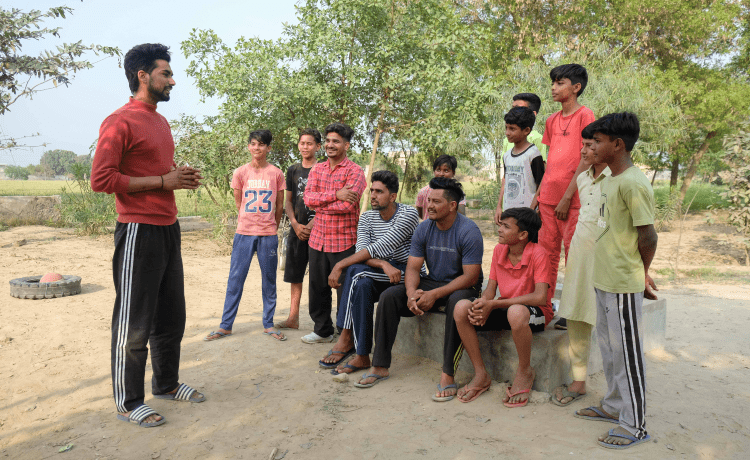
True prosperity is a total picture, and includes health, joy, service, social status and material abundance. It means feeling fulfilled and living a life of meaning, not just having a certain amount of monetary wealth.
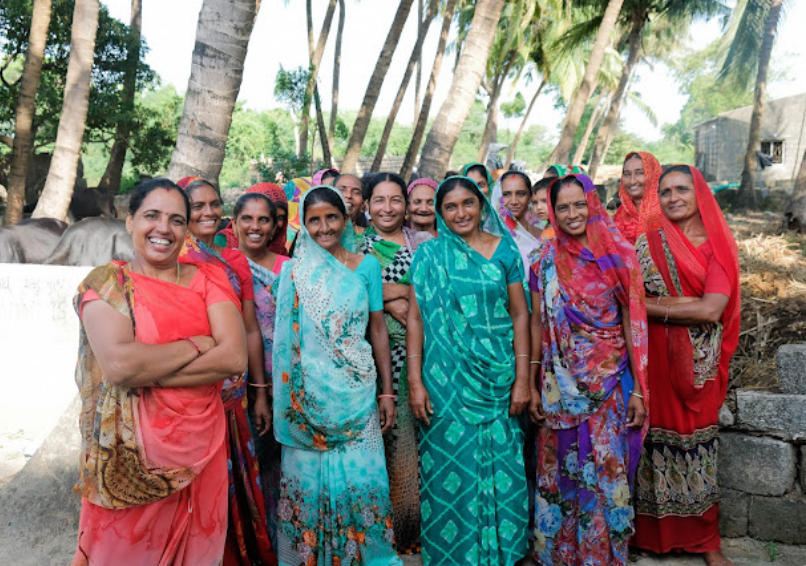
Hansaben Jadhav of Kodinar, Gujarat considers herself very rich. Not only has she doubled her income through her dairy business, with support from Ambuja Foundation, but she has gained purpose, dignity, and community standing. Once a housebound housewife, today she is the Director of the Bhagavati Mahila Milk Cooperative and a leader in the Sorath Women's Federation.
This is the true aim of Ambuja Foundation. Its six thrust areas center around one philosophy — to enable people, and enable prosperity — prosperity in every sense of the word.
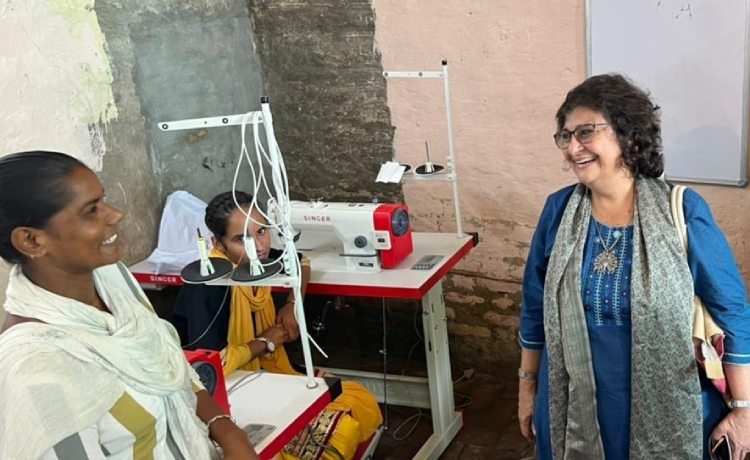
“Ambuja Foundation was established in 1993 with a vision of bringing development and prosperity to the communities around Ambuja Cements Limited factories,” said Pearl Tiwari, Ambuja Foundation's Director & CEO. “Our founder, Mr Narotam Sekhsaria, wanted the people around us to prosper as the company prospered.”
How do we achieve this? By strengthening livelihoods

“Whilst water, agriculture, skills, women, health and education are diverse programmes, they all converge with this aim. When a family's livelihood is strengthened, they can invest in their health, children, household, and community,” Ms Tiwari said.
“We have found that rural poverty is often the root of community problems. Though India has lifted millions out of poverty over two decades, many still struggle for dignity, comfort, and security,” Ms Tiwari said. “Sadly, most of rural India has not shared in the economic growth, leading to dissatisfaction and an urban–rural divide.”
“Looking back, we have stayed true to our vision. Many of our core villages have gone from floundering to flourishing due to increased livelihoods, profits and family prosperity,” she added.
ENABLING: to make someone able to do something, or to make something possible.
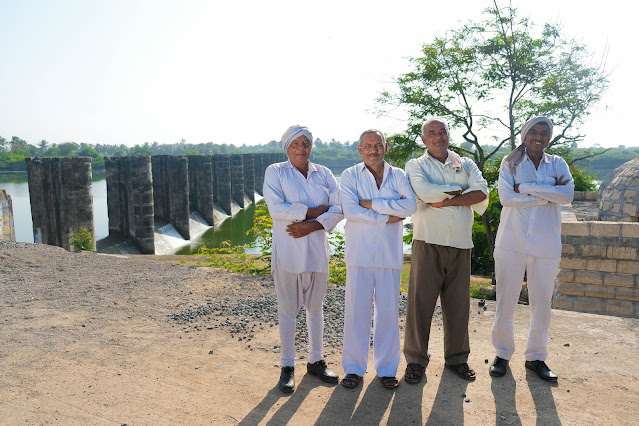
Of equal importance is empowering people to play a key role in their development. Initially, Ambuja Foundation invested in basic infrastructure, but realised true development comes when communities help themselves.
“Social investments are only sustainable when communities participate. People feel empowered only when they control the path of their lives,” Ms Tiwari said.
“Our mission has always been to enable people to participate in and manage development. This is challenging in rural India, given complex social structures,” she continued. “We prioritised community participation and building people’s institutions from the start.”
“Today, people are at the heart of everything we do. A crucial part of our work is building local capacity and supporting ‘people’s institutions’ managed by locals. This creates long-term, sustainable impact,” Pearl said.
“Ambuja Foundation has facilitated over 2,800 people’s institutions — Women's Federations, Farmer Producer Companies, Village Watershed Committees, Water User Associations. Each now leads prosperity efforts in its community. These institutions are a driving force for change,” she added.
“This approach underpins all our work. We aim to see people learn, grow, and ultimately lead projects that solve community problems,” she concluded.

.png)