


Here's how 325 landless women labourers from Ropar district are earning an additional income during this lockdown period.
Due to the current scenario, we have seen how this pandemic has affected the whole world, especially the lower class of society. Most migrants and labourers are in panic mode, hunting for additional sources of income or food to survive. A similar situation was seen in Ambuja Foundation's locations, with landless labourers out of jobs due to the nationwide lockdown and farmers' fields being closed.
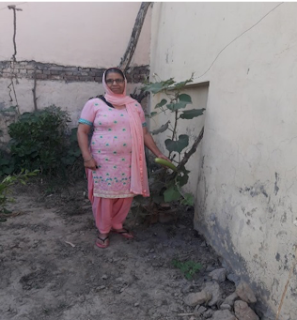
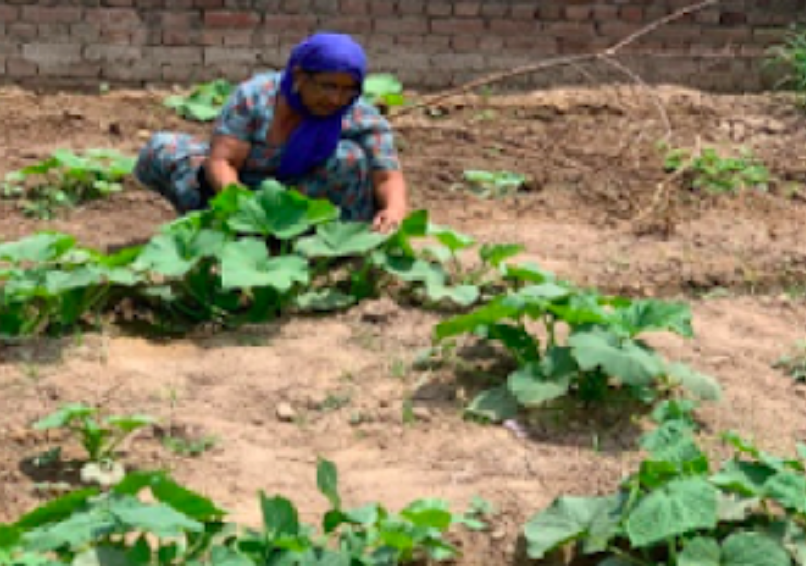
But while most struggled, Sarabjit Kaur from Ropar, Punjab, took solace in her humble backyard, which she had previously turned into a kitchen garden. Her husband, being the only breadwinner from his small land, encouraged Sarabjit to contribute by attending a Kitchen Garden Training Program conducted by Ambuja Foundation in 2018.
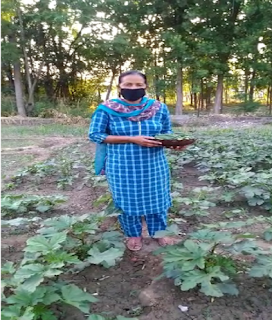
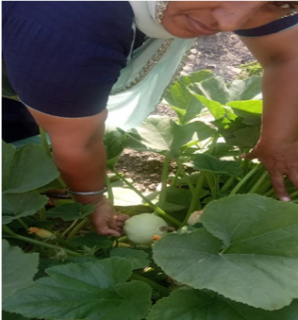
Initially testing a small area in 2019, by February 2020 she decided to expand her garden to bear more produce and help her family sustain through the year. However, it wasn’t until the lockdown that she fully realized the benefits. She managed to grow around 200kgs of vegetables including lady finger, cucumber, bitter gourd, pumpkin, onion, eggplant, and more.
“As I was able to increase my backyard by acquiring the neighbouring vacant land, I got more produce which helped me to sell the vegetables in the local market three times since I initiated this practice,” said Sarabjit excitedly.
To support her during the lockdown, Ambuja Foundation arranged a market pass through the Horticulture department and guided her on safety measures. This helped Sarabjit earn over Rs. 9000 from the Ropar market. Additionally, 4–5 villagers visit her home daily to collect fresh vegetables, and she has earned another Rs. 3,400 by selling in the local village market.
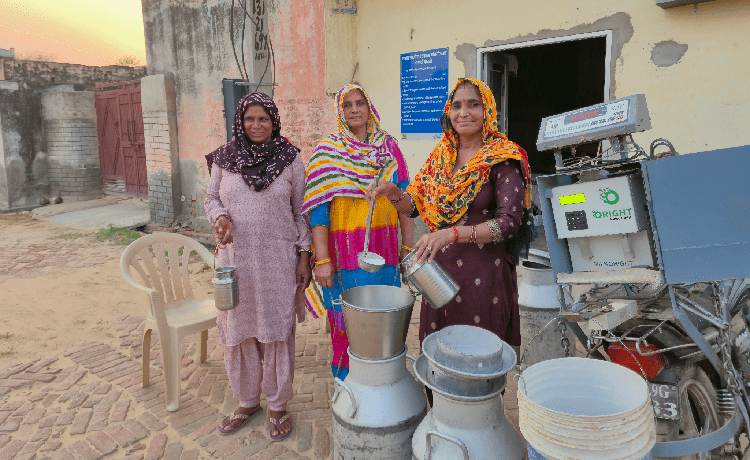
Sarabjit is just one of 325 women who have benefited by growing fresh vegetables in their backyard — many of whom sell surplus in local markets to generate a livelihood.
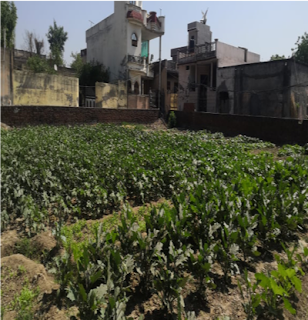
Nearly 80% of these women are landless labourers using small backyard spaces to feed their families, avoid crowded markets during the pandemic, earn extra income, and consume fresh vegetables that boost immunity.