


November 21, 2024

Nurturing Every Child: Physical Literacy & Sports in Schools

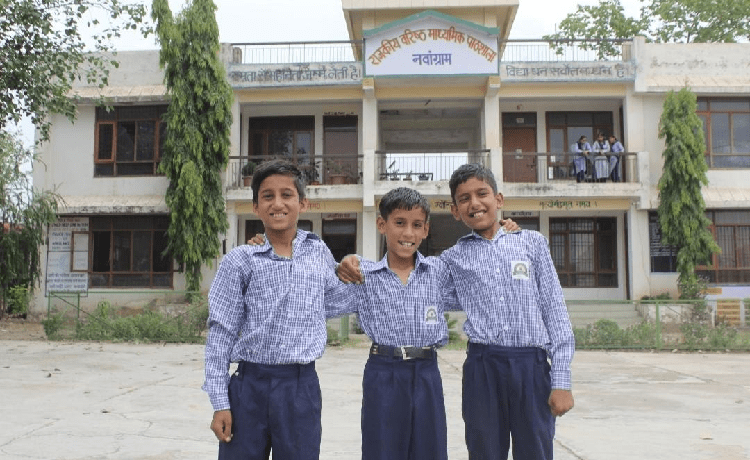
The young yellow belts posed for photographs, eyes shining, certificates held up proudly. Fourteen of them – five girls and nine boys – had participated in the second international karate championships 2024, organised by the World Nakayama Shotokan Association, in Hyderabad. They were students of the ZP Upper Primary School of Upparwahi in Chandrapur, Maharashtra. They had just won one Gold, five Silvers, and seven Bronzes. After just 36 karate classes, which the children had attended most enthusiastically, their instructor had felt they were ready to show their prowess. No doubt, they were.


The story of these skilful martial artists begins sometime in 2018, when the Ambuja Foundation’s education team stepped in to help rural schools to run comprehensive physical literacy and sports programmes.


uploaded picture


The importance of sports and physical learning in education is well established. Yet, when resources are limited, this is often entirely overlooked. Ambuja Foundation was keen to address this gap, believing that in the long run, children who are not active – who don’t even play enough, spending a lot of time on mobile phones and other digital devices – would grow up to be neither fit nor healthy. A ‘mobile’ generation, as it were. And so, a physical literacy programme was designed that would reach every child, not just a handful of meritorious athletes and players.


Physical activity across levels, across hierarchy, across genders… inclusiveness was the primary criterion.


The Programme Genesis


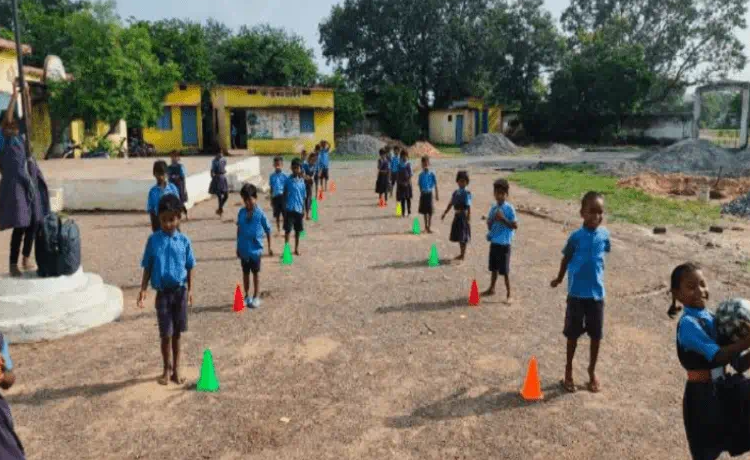
After a baseline survey, a pilot project started in 2018, at 10 schools in Darlaghat, Himachal Pradesh. Four core areas were focused on in the beginning: endurance, agility, strength and speed. Once these skills had been strengthened, sports would be introduced. Those with potential would be encouraged to participate in tournaments at the block, district, and even state levels.


Less than two years into the programme, Covid struck. By then though, the students were really enjoying their classes, and parents had begun to see that a good education needs more than book learning. They didn’t want their children to miss this opportunity. So, right through that difficult time, the programme was run virtually. Schools were divided into groups and the activities communicated to parents and students on Whatsapp threads.


Expanding the Programme


After the pandemic, 14 more schools joined the sports programme in Darlaghat and 15 in another rural heartland – Chandrapur, Maharashtra. The lives of many students in these less privileged areas have changed thanks to this much needed inclusion in their daily curriculum. There is joyful participation. Children also learn about the significance of physical literacy and its crucial place in a healthy life. Girls, who were initially hesitant, have joined in large numbers.


In 2023, The ELMS Sports Foundation, with which Ambuja Foundation collaborates, carried out a series of assessments and found that endurance, agility, and core strength had shown an increasing trend from baseline to endline across core competencies by 73-74% among the students.


In these tribal lands, talent and potential abound. Sadly, it often goes unnoticed. Ambuja Foundation works with government departments and sports organisations to help promising athletes get the opportunities they deserve and achieve their best. 13 year old Anoushka, from seventh grade of Nadgaon school, dreams of becoming a runner. She was selected by the Khelo India programme and after training with the district coach is an 800m sprinter today. She hopes to go up a rung and compete at the state level.


The Challenges


There are challenges, of course. Although the National Education Policy 2020 recognises sports as an integral part of education, there is a dearth of teachers and instructors, especially in rural communities. Often subject teachers double up as PE educators or a single teacher is expected to take care of several classes. There’s great pressure on the existing staff. To resolve this, a network of volunteer educators has been developed for this intervention.


The Results


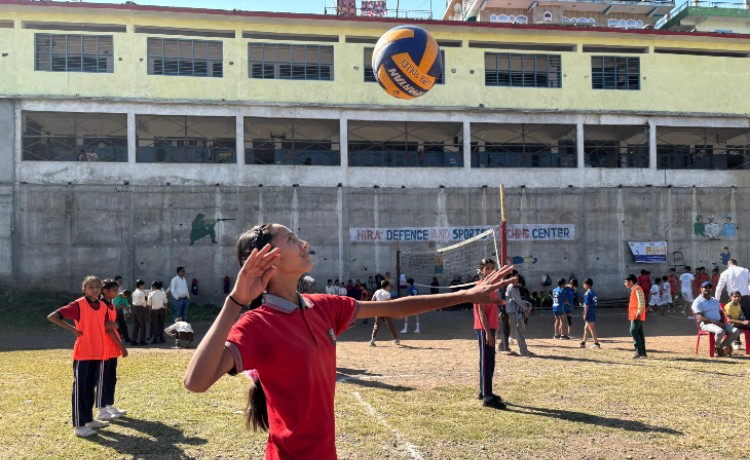
The sports programme has brought a new energy, impacting the quality of education and life. After school centres have opened in four locations. They offer training in specific sports like, khokho and volleyball, among others. Several children are enrolled at the moment; they are coached by trainers, honing their technique further.


Even better, the sports programme has seen attendance levels at schools skyrocket. For example in Bathinda Punjab, the Bulladewala Primary School once had attendance rates limited to 3, maybe 4, days of the week. But after sports was rolled out at the school, attendance levels skyrocketed with almost 100% attendance across all 6 days of the week.


And, of course learning levels inched up also. Children were more disciplined, understood teamwork and underwent a complete change in attitude. Their endurance and stamina grew, as did their agility and strength. Optimism was rife as the entire culture of the school transformed.


uploaded picture


Conclusion


The karate initiative began in Ambujanagar in Kodinar, Gujarat and was later implemented in Chandrapur, as part of self-defense training. That’s how the young martial artists reached the tournament in Hyderabad. Their parents paid 50% of the cost of participation. Once, not many would have agreed to contribute for sports, but there’s been a change in outlook. A sports environment is growing across many districts, championing a more holistic development of every child.


The yellow belts are ready to go for orange.
Tags: Education
November 21, 2024

RELATED POSTS
  • Silver & Bronze Olympic Medals for AMK!
    April 28, 2017
    Shamsher Singh (24), a student from Ambuja Manovikas Kendra in Punjab, bagged two medals at the Special Olympics World Winter Games hosted in Austria in March 2017 - proudly bringing home a Silver and Bronze in Snowshoeing (100 m race and 50 m race respectively) for his performance.
  • Way Paved for Education
    April 28, 2017
    Chanda Ramgirwar of Hardona khurd village Chandrapur, bucked societal trends and family pressure when she sent her two daughters to study high school. She created community uproar when she sent them for College!
  • NIOS Exams Success!
    July 06, 2017
    AMK students have consistently managed to defy social taboos and stereotypes associated with intellectual disability. And they've done it again!
  • Challenging Perceptions - News from AMK
    July 23, 2018
    AMK students have once again challenged perceptions of what the differently-abled can and cannot do, with 4 students passing their NIOS exams with more than 60% marks.
  • Graduation Time: 1st Batch from AMKs Skilling Centre
    November 17, 2018
    Fifteen differently-abled youth are today earning an average of Rs. 1500 per month, thanks to their new vocational skills and home based enterprises. The first batch of 17 students graduated from Ambuja Manovikas Kendra's Skill Development Centre in August 2018 -- showcasing the potential for differently-abled youth to learn and earn.
An Opportunity to Support
SUBSCRIBE TO OUR NEWSLETTER & BLOGS
Stay updated on the latest insights from Ambuja Foundation.
GET CONNECTED

Nurturing Every Child: Physical Literacy & Sports in Schools

The young yellow belts posed for photographs, eyes shining, certificates held up proudly. Fourteen of them – five girls and nine boys – had participated in the second international karate championships 2024, organised by the World Nakayama Shotokan Association, in Hyderabad. They were students of the ZP Upper Primary School of Upparwahi in Chandrapur, Maharashtra. They had just won one Gold, five Silvers, and seven Bronzes. After just 36 karate classes, which the children had attended most enthusiastically, their instructor had felt they were ready to show their prowess. No doubt, they were.


The story of these skilful martial artists begins sometime in 2018, when the Ambuja Foundation’s education team stepped in to help rural schools to run comprehensive physical literacy and sports programmes.


uploaded picture


The importance of sports and physical learning in education is well established. Yet, when resources are limited, this is often entirely overlooked. Ambuja Foundation was keen to address this gap, believing that in the long run, children who are not active – who don’t even play enough, spending a lot of time on mobile phones and other digital devices – would grow up to be neither fit nor healthy. A ‘mobile’ generation, as it were. And so, a physical literacy programme was designed that would reach every child, not just a handful of meritorious athletes and players.


Physical activity across levels, across hierarchy, across genders… inclusiveness was the primary criterion.


The Programme Genesis


After a baseline survey, a pilot project started in 2018, at 10 schools in Darlaghat, Himachal Pradesh. Four core areas were focused on in the beginning: endurance, agility, strength and speed. Once these skills had been strengthened, sports would be introduced. Those with potential would be encouraged to participate in tournaments at the block, district, and even state levels.


Less than two years into the programme, Covid struck. By then though, the students were really enjoying their classes, and parents had begun to see that a good education needs more than book learning. They didn’t want their children to miss this opportunity. So, right through that difficult time, the programme was run virtually. Schools were divided into groups and the activities communicated to parents and students on Whatsapp threads.


Expanding the Programme


After the pandemic, 14 more schools joined the sports programme in Darlaghat and 15 in another rural heartland – Chandrapur, Maharashtra. The lives of many students in these less privileged areas have changed thanks to this much needed inclusion in their daily curriculum. There is joyful participation. Children also learn about the significance of physical literacy and its crucial place in a healthy life. Girls, who were initially hesitant, have joined in large numbers.


In 2023, The ELMS Sports Foundation, with which Ambuja Foundation collaborates, carried out a series of assessments and found that endurance, agility, and core strength had shown an increasing trend from baseline to endline across core competencies by 73-74% among the students.


In these tribal lands, talent and potential abound. Sadly, it often goes unnoticed. Ambuja Foundation works with government departments and sports organisations to help promising athletes get the opportunities they deserve and achieve their best. 13 year old Anoushka, from seventh grade of Nadgaon school, dreams of becoming a runner. She was selected by the Khelo India programme and after training with the district coach is an 800m sprinter today. She hopes to go up a rung and compete at the state level.


The Challenges


There are challenges, of course. Although the National Education Policy 2020 recognises sports as an integral part of education, there is a dearth of teachers and instructors, especially in rural communities. Often subject teachers double up as PE educators or a single teacher is expected to take care of several classes. There’s great pressure on the existing staff. To resolve this, a network of volunteer educators has been developed for this intervention.


The Results


The sports programme has brought a new energy, impacting the quality of education and life. After school centres have opened in four locations. They offer training in specific sports like, khokho and volleyball, among others. Several children are enrolled at the moment; they are coached by trainers, honing their technique further.


Even better, the sports programme has seen attendance levels at schools skyrocket. For example in Bathinda Punjab, the Bulladewala Primary School once had attendance rates limited to 3, maybe 4, days of the week. But after sports was rolled out at the school, attendance levels skyrocketed with almost 100% attendance across all 6 days of the week.


And, of course learning levels inched up also. Children were more disciplined, understood teamwork and underwent a complete change in attitude. Their endurance and stamina grew, as did their agility and strength. Optimism was rife as the entire culture of the school transformed.


uploaded picture


Conclusion


The karate initiative began in Ambujanagar in Kodinar, Gujarat and was later implemented in Chandrapur, as part of self-defense training. That’s how the young martial artists reached the tournament in Hyderabad. Their parents paid 50% of the cost of participation. Once, not many would have agreed to contribute for sports, but there’s been a change in outlook. A sports environment is growing across many districts, championing a more holistic development of every child.


The yellow belts are ready to go for orange.
LinkedIn Post
Ambuja Foundation