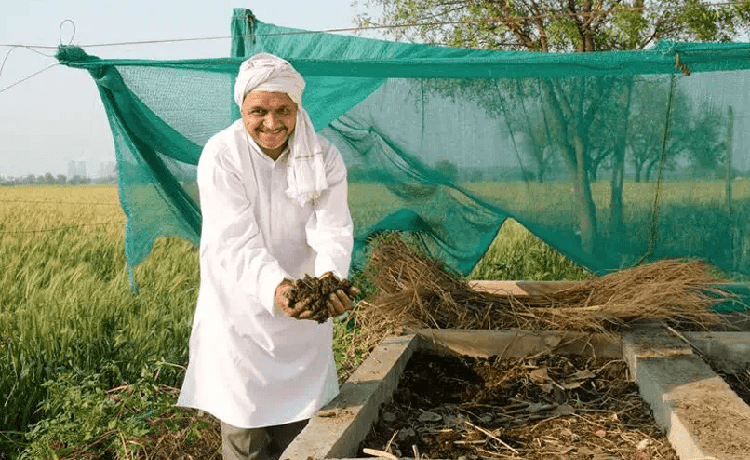



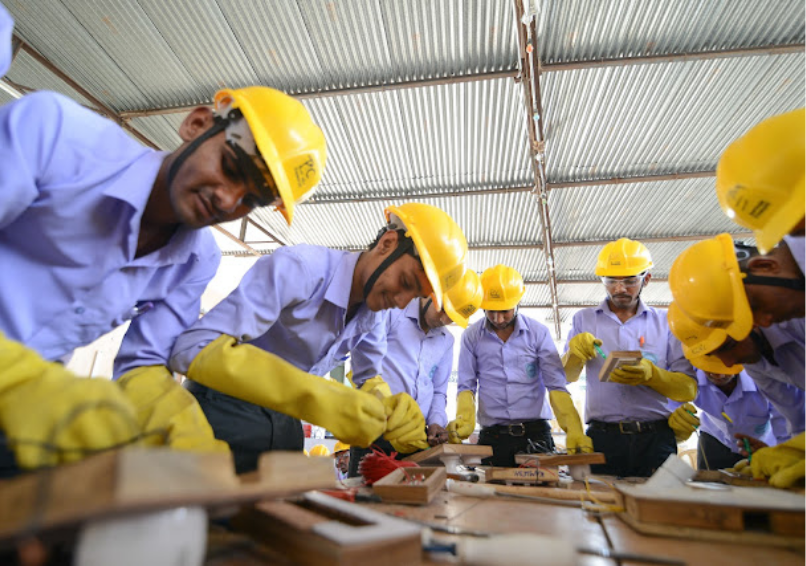
The rural economy is overdependent on agriculture, employing over 60% of the total populace yet contributing to under 17% to GDP. This over-dependence, along with unproductivity of agriculture and the lack of non-farm employment skills, is the root cause of rural poverty. Skilling rural India is therefore a top developmental priority and must focus on skills relevant to the rural economy in both farming and non-farming jobs to secure a decent livelihood.
Skill and livelihood development has been a major focus of Ambuja Foundation's work and is based on a three-pronged approach:
- Modernisation of farming and agri-based roles, and collectivisation of farmers into Farmer Producing Companies (FPCs)
- Imparting relevant non-farm skills to the youth, for employment opportunities in nearby towns and local industry clusters
- Alleviating the domestic burden of women, collectivising them into SHGs and women's federations and building their capacity for livelihood opportunities
A prosperous agricultural sector is a precondition to India's prosperity. However, India’s agriculture sector has not been profitable for nearly two decades now, largely due to low productivity per hectare of major crops. Since its inception, Ambuja Foundation's priority has been to make farming more sustainable—be it through improved water management, quality inputs, or modern techniques. We work closely with State Agriculture Universities, Krishi Vigyan Kendras (KVKs), and other scientific organisations to ensure the latest farming practices and inputs reach farmers.
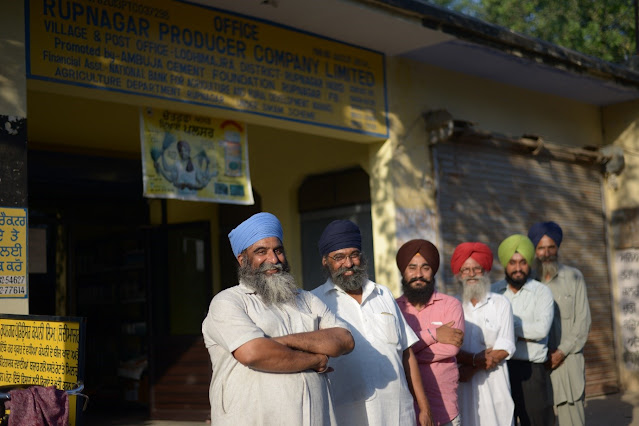
With Indian farmers holding some of the smallest land parcels globally, their individual bargaining power is limited. To strengthen their position, Ambuja Foundation promotes Farmer Producer Organisations (FPOs). Today, these FPOs have transformed beyond farming cooperatives into entrepreneurial clusters running businesses like cattle feed production, groundnut and cotton marketing, milk chilling plants, and biomass sales.
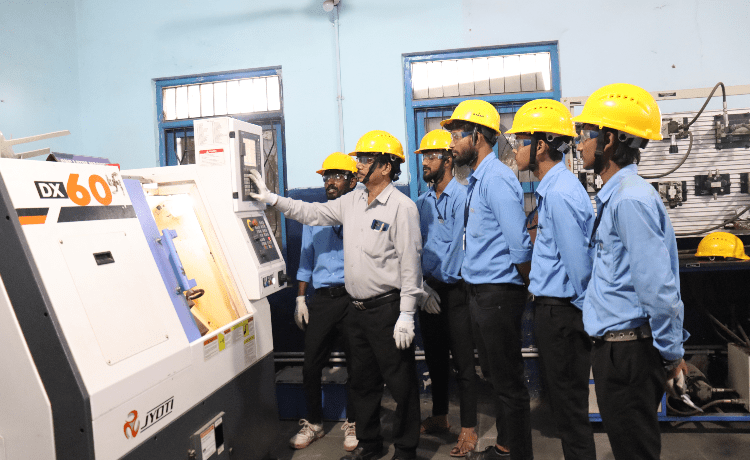
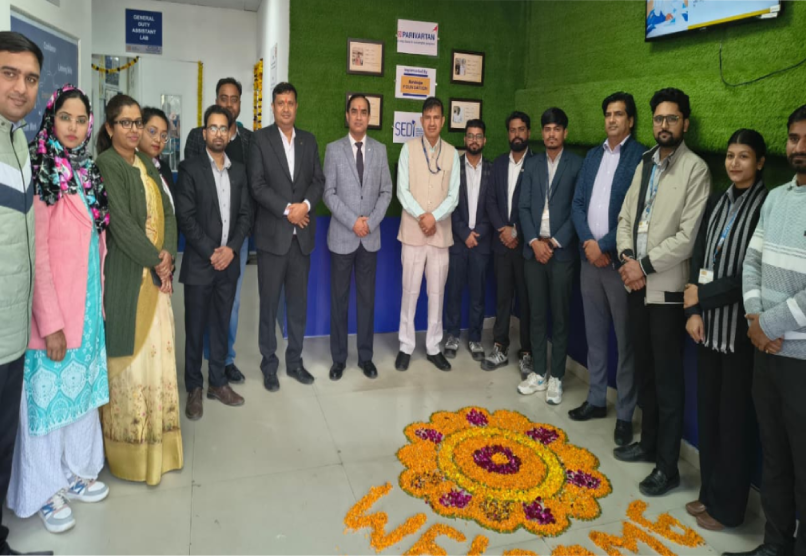
Another focus area is rural youth, who often lack opportunity, awareness, and motivation to seek employment; aspirations may lean heavily toward white-collar jobs while skill-based local industry roles remain vacant. Ambuja Foundation’s 33 Skill and Entrepreneurship Training Institutes (SEDI) offer 42 NSDC-certified courses in 8 sectors like welding, nursing, retail, banking, BPO, and more. These programs help raise the aspiration for local jobs and curb distress migration to cities.
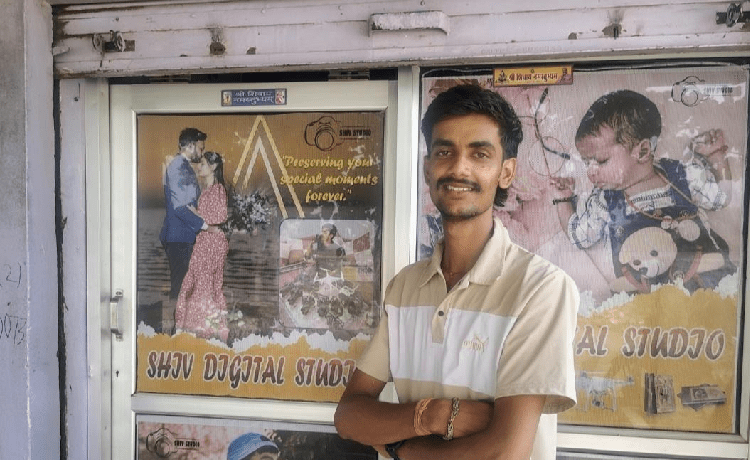
Beyond employment, SEDI actively fosters entrepreneurship by identifying youth with potential, training them in entrepreneurship development, and supporting them to set up businesses, access loans, and understand markets.
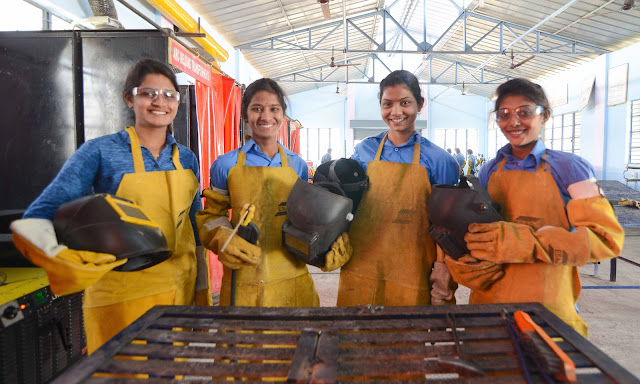
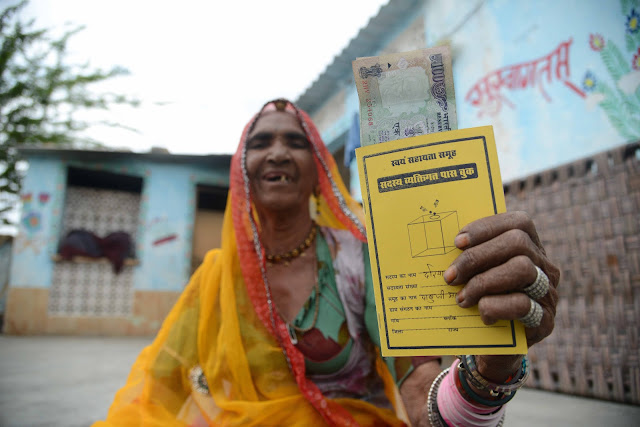
Lastly, and critically, our work focuses on women. In rural India, women are often confined to household duties or unpaid labor, limiting their economic participation despite their aspirations. Our interventions for women's economic empowerment include:
- Reducing domestic burden by ensuring access to safe drinking water
- Forming Self Help Groups (SHGs) to build social capital and economic strength
- Encouraging women’s equal participation in all programs—from agriculture and skill training to water, sanitation, and health initiatives
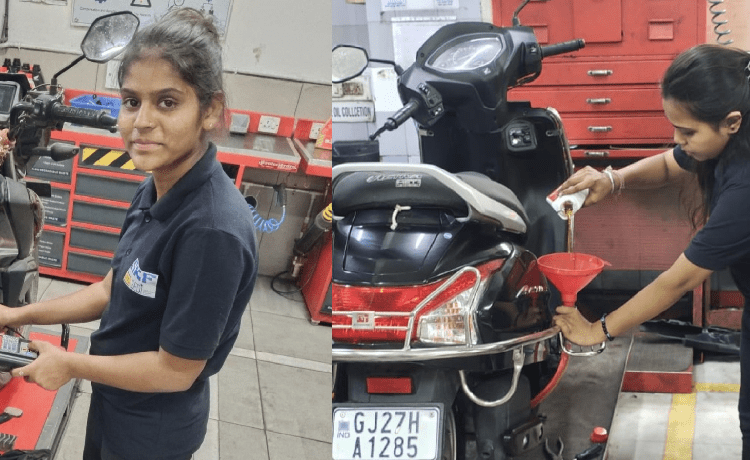
Having established a network of SHGs, we help create Women’s Federations for greater economic and social power. These federations support SHGs to access bank credit, run micro-enterprises like agri-input supply, animal husbandry, goatery, and poultry. Our women are breaking gender norms—taking up male-dominated skill training and even leading FPOs.
Rural India, rich in natural resources and human capital, has the potential to become a powerhouse of national development. But without investing in its people through knowledge and skills, rural prosperity will remain out of reach.