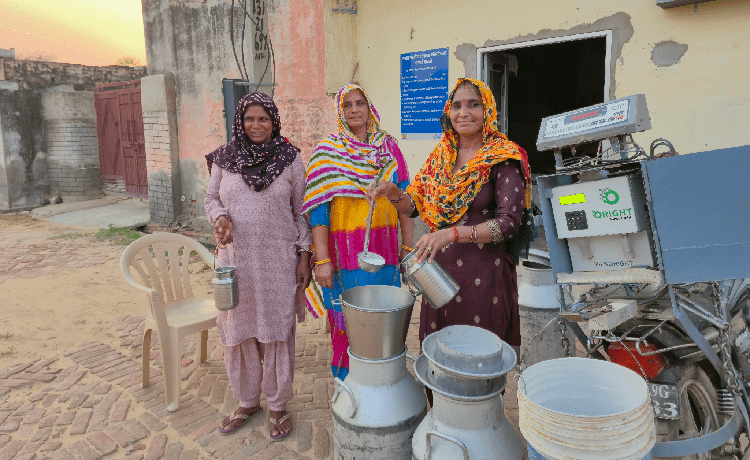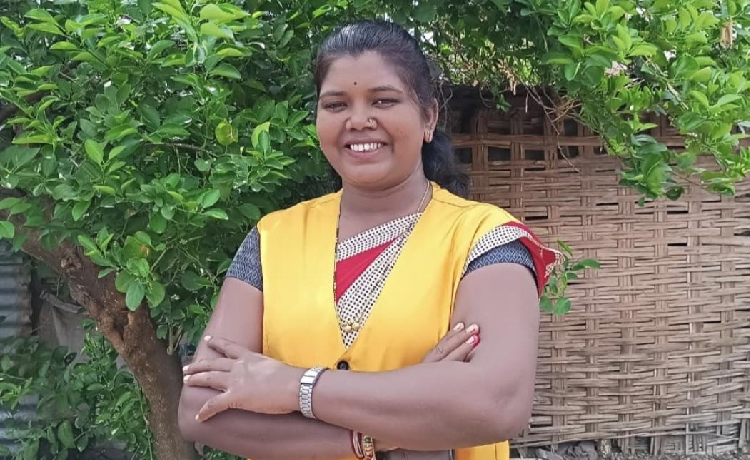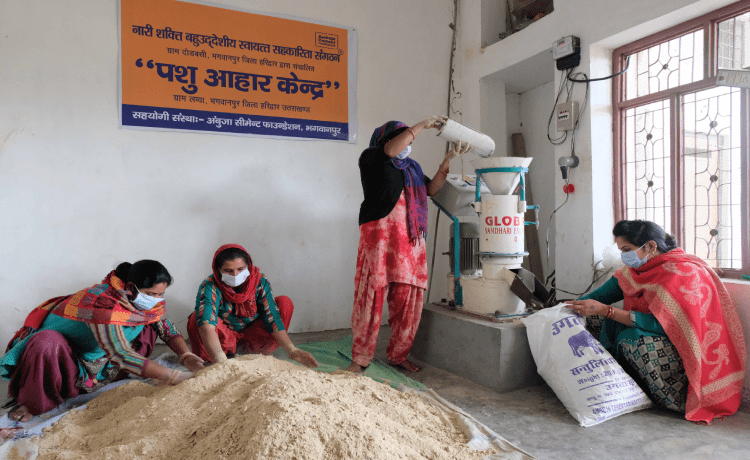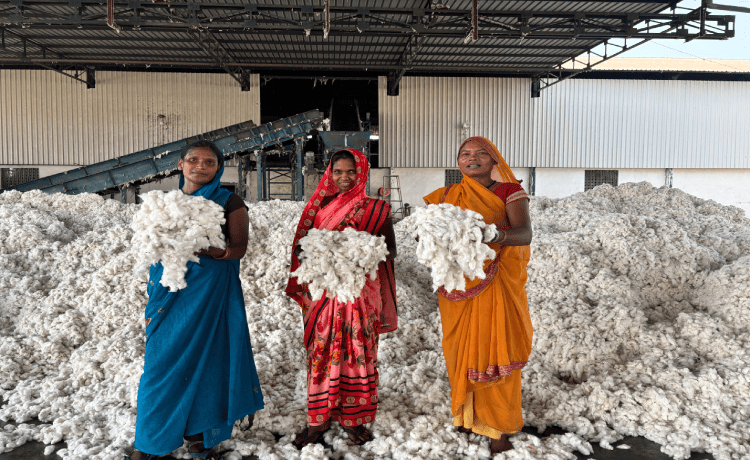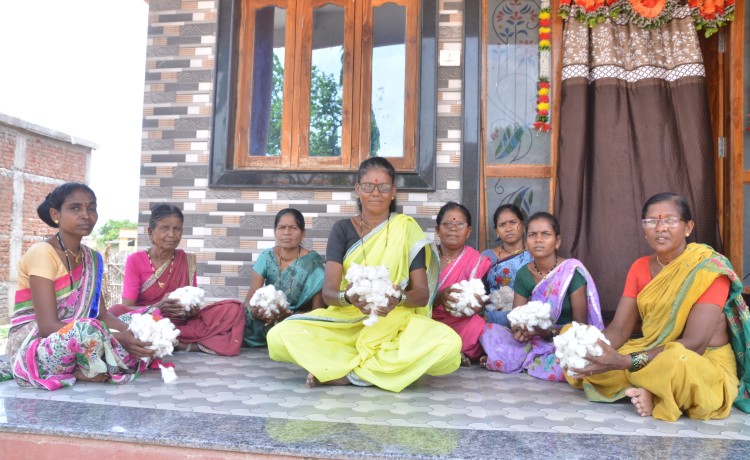
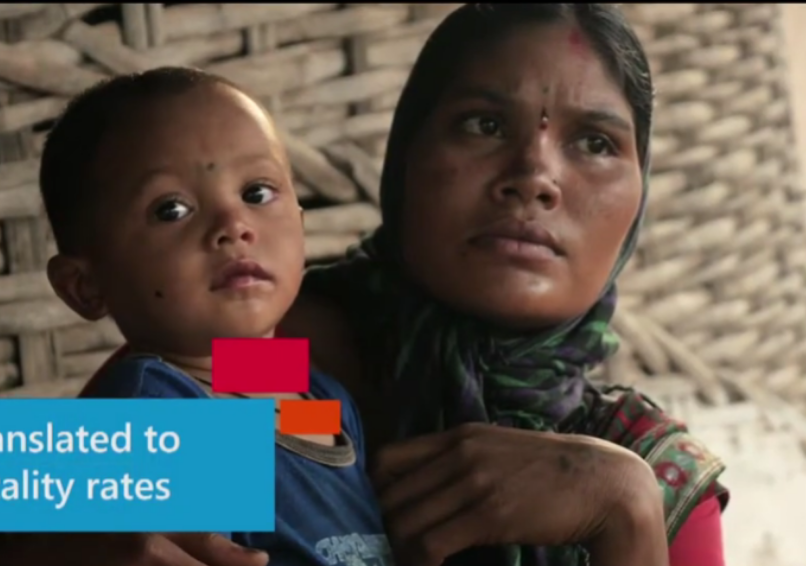
Sagunatai, Sunita & Joshila's faces are some of the many that acquaint you with the women of rural India. Their eyes, however, reveal a missionary zeal that sets them apart. They are, in fact, 3 of the 350 plus women who have taken the onus of securing the health of their villages. Fondly called Sakhis, these women have been trained & equipped by Ambuja Foundation to provide first aid, maternal & neo-natal care and improve hygiene in their communities.
The going hasn't been easy. Superstitions and age-old practices run rife that thwart any concrete effort towards ensuring quality healthcare for all. Child Births happen more at homes than in hospitals resulting in health complications for the child & the mother. Annually, around 44000 mothers die in India due to preventable pregnancy-related causes in India as per UNICEF. Every year, 6.4 lakh newborn babies never get a chance to breathe beyond their first 28 days in India.
Open Defecation is also a cultural norm that few people would want to give up; leading to rampant cases of diarrhea and hepatitis among many other diseases. In fact, as per The Economist, 450 million Indians defecate in the open & 1 in every 10 deaths can be attributed to Open Defecation.
But the Sakhis are persistent. Slowly and steadily, more women are opening their household doors to welcome them. After all, who wishes the death of a loved one? Through their efforts, women are now opting to give birth in hospitals resulting in lower mortality rates. And that's not all; the Sakhis are also the torch bearers of the Swachchta Doot programme that trains village children to be evangelists for personal & environmental cleanliness. The importance of hygiene in physical & mental growth is taught through games that the children play. This has resulted in villages being cleaner & conscious of practices that improve personal & community hygiene. Open defecation, earlier rampant, has reduced as villagers realize its relationship with disease. The Sakhis conduct regular meetings with the community to sensitize & motivate them on the need for toilets in every household.
The Sakhis are relentless in their pursuit of good health. As Joshila aptly puts it, "I will not rest till every household in my village has a toilet". Neither will we.
Ambuja Foundation works with women in rural communities to improve health & sanitation & has been training women in 22 locations & 11 states across India to be the agents of change in the communities they reside. As part of this initiative, over 350 Sakhis & over 300 Swachchta Doots have been trained. As a result, over 15500 households are now covered under the Maternal & Child Care programme, 29733 toilets have been constructed & 131 villages have 100% toilet coverage. You can also help Ambuja Foundation in this endeavor by partnering with us or at the least, sharing this story of change.
Read more about Ambuja Foundation's initiatives in health here