


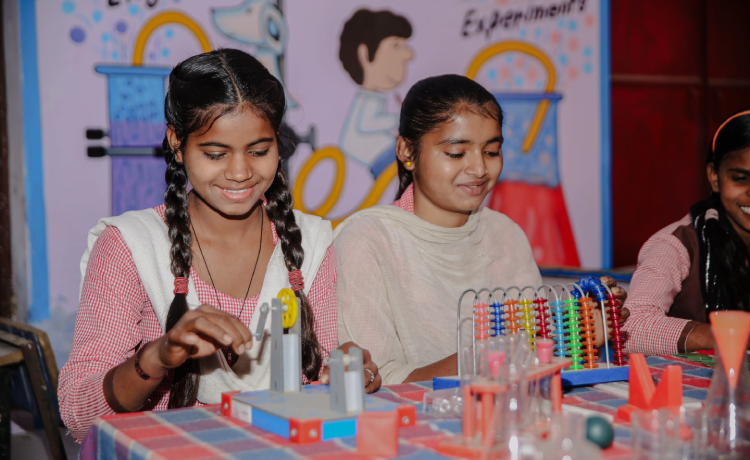
India’s journey toward a Viksit Bharat depends on nurturing a strong pipeline of young people pursuing science, technology, engineering, and mathematics (STEM). These disciplines are not only academic choices; they shape the nation’s capacity for innovation, self-reliance, and long-term resilience in an increasingly complex world. Women and girls are central to this vision. Yet across rural India, many students are not pursuing STEM pathways — limiting the pool of future innovators and problem-solvers the country urgently needs.
Strengthening interest in science at the grassroots is essential. Today’s generation must be equipped to tackle pressing challenges — from climate change and water scarcity to sustainable agriculture, public health, and renewable energy. These are realities rural communities already face. The need of the hour is a generation of scientifically literate problem-solvers who can apply knowledge to real-world contexts and address India’s environmental and societal challenges head-on.
The data underscores this urgency. The Annual Status of Education Report (ASER) 2023 ‘Beyond Basics’ reveals that among rural youth aged 14–18, just 31.7 percent are enrolled in STEM streams, compared to 55.7 percent in arts and humanities. Moreover, girls (28.1 percent) are less likely to be in STEM than boys (36.3 percent), highlighting persistent gender gaps. These figures are not simply statistics — they represent aspirations deferred and potential unrealised for many rural children.
These trends reflect structural challenges within rural education systems. Many classrooms struggle with limited practical tools and insufficient opportunities for hands-on science. Laboratories, where they exist, are often under-equipped. Without demonstrations or experiential learning, abstract textbook concepts can feel disconnected from everyday life. When science is reduced to memorising definitions or solving equations without context, curiosity begins to fade.
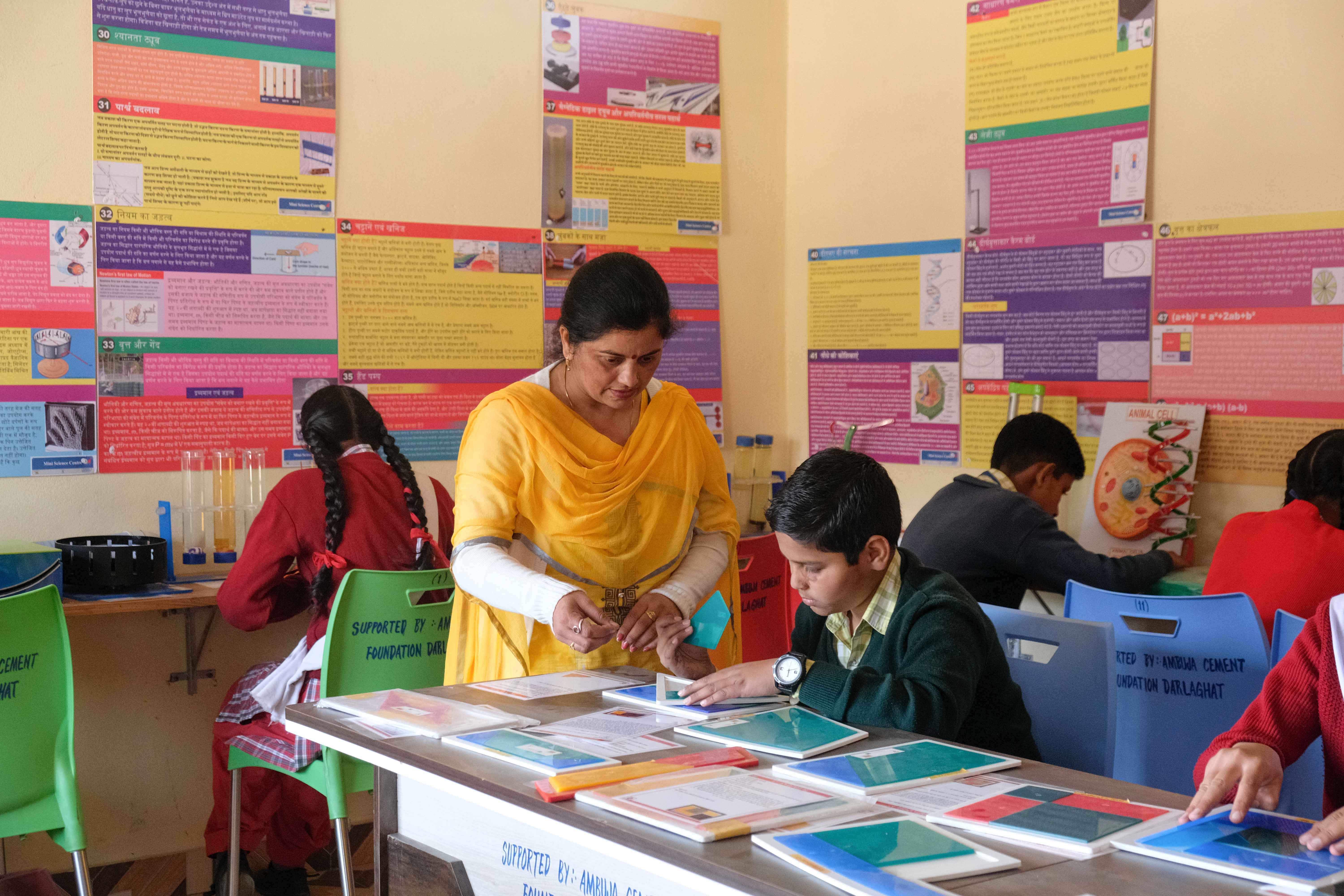
Teachers face a dual challenge. They are expected to make learning engaging, yet often lack the resources and training to translate theory into practice. Delivering experiential science education demands materials, time, and pedagogical support — elements not always available in rural settings. For many students, particularly girls, limited exposure combined with societal expectations gradually undermines confidence and the desire to continue in science streams.
Gender norms continue to influence academic decisions in subtle but powerful ways. In many communities, science and technology are still perceived as domains better suited to boys. Without visible role models or encouragement, opting out of STEM can seem like the safer choice.
Addressing these challenges requires creating spaces where learning becomes tangible and inclusive. Hands-on labs and interactive environments allow students to experiment and explore how things work. When a child builds a simple electrical circuit, tests soil quality, or observes chemical reactions first-hand, science comes to life. It shifts from abstract theory to lived experience.
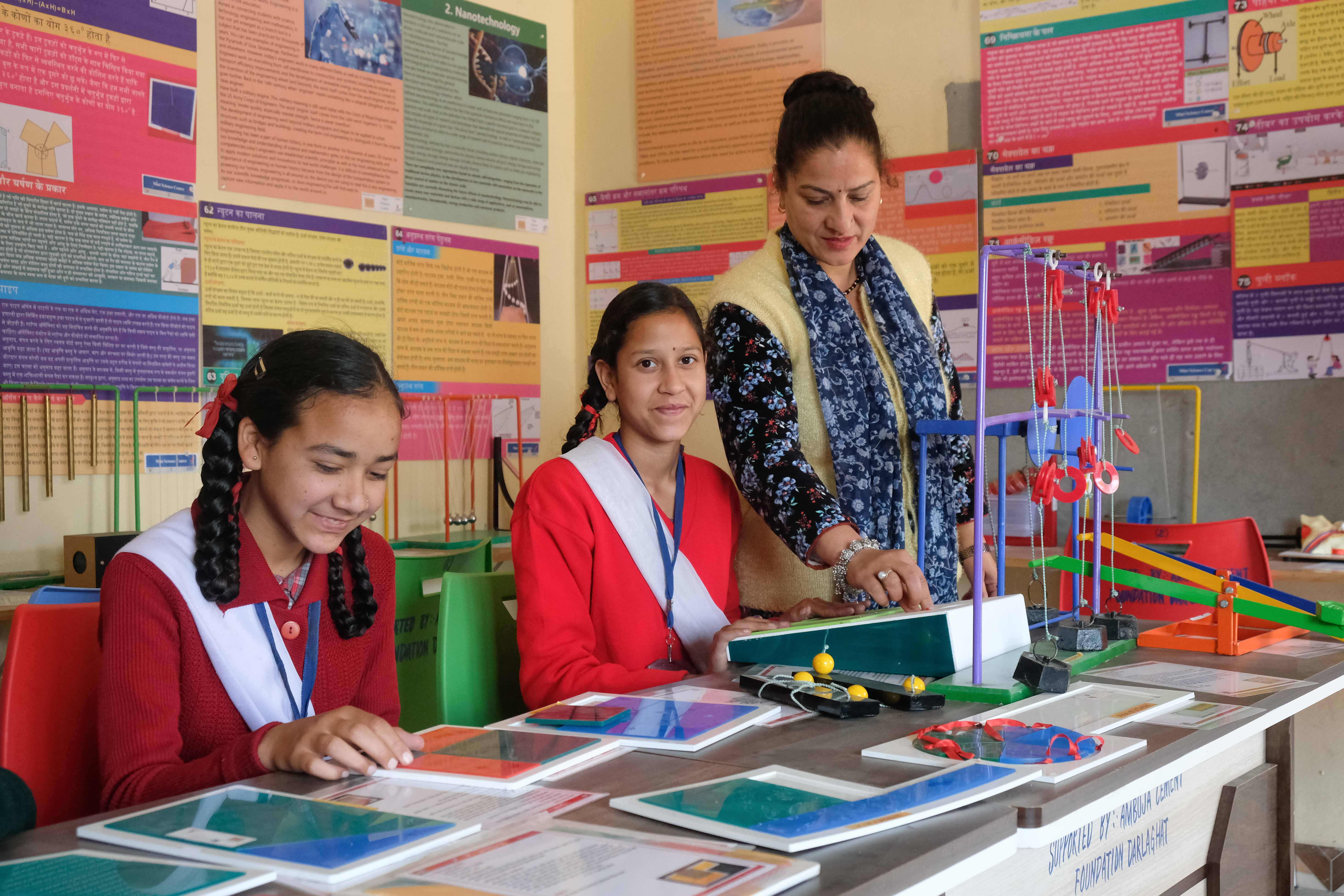
Equally important is investing in teachers. Training educators in experiential and inquiry-based approaches enables them to foster curiosity and critical thinking rather than rote memorisation. When classrooms become spaces for exploration and problem-solving, students begin to see science not as intimidating, but as empowering.
Communities also play a vital role. Opening select schools as local STEM resource hubs can expand access to practical science for neighbouring villages. Shared facilities ensure that quality science education becomes a collective asset.
At this critical juncture, responsibility cannot rest with schools and Government alone. Corporate CSR bodies, philanthropists, and civil society organisations have a pivotal role in strengthening grassroots STEM ecosystems. Strategic investments in laboratory infrastructure, teacher training, mobile science units, digital tools, and mentorship programmes can create transformative change. Long-term partnerships are essential to build sustainable systems that nurture curiosity and capability over time — strengthening India’s innovation economy and future workforce.
When children learn by doing, they do more than study science — they begin to think like scientists. Strengthening STEM engagement at the grassroots builds a pipeline of youth, including rural girls, who are confident and equipped to tackle India’s most pressing challenges. By fostering curiosity, practical skills, leadership, and challenging gender stereotypes early, the nation can nurture a generation ready to drive innovation and climate resilience — advancing the vision of a truly Viksit Bharat.

Authored By Shubhangi Sahoni, Associate Director (Education), Ambuja Foundation