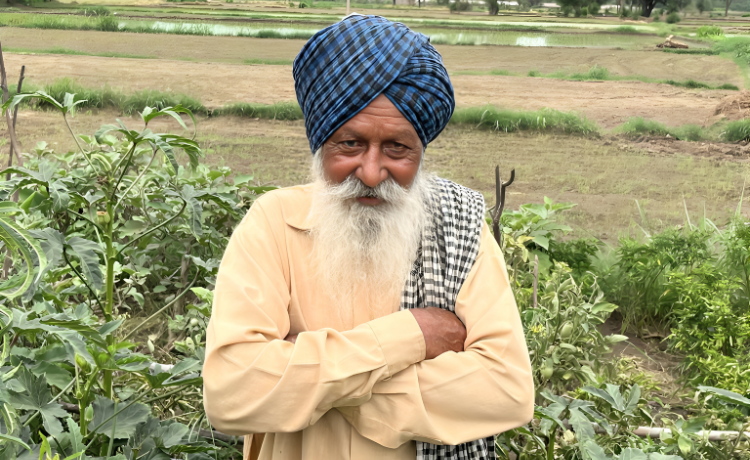



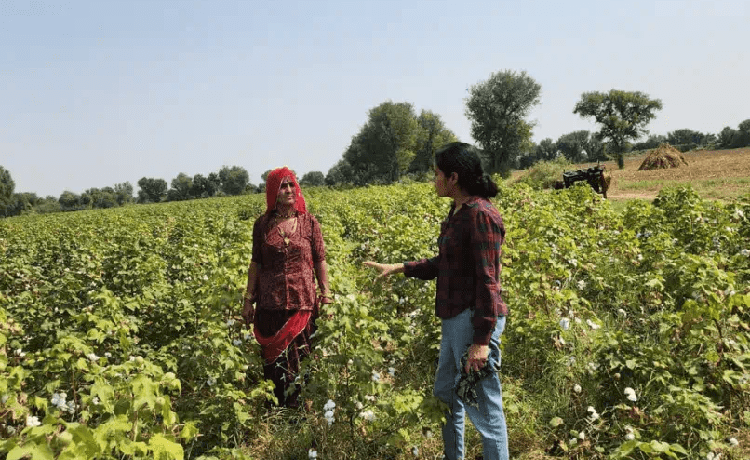
How Climate Coordinators Are Preparing Farmers for Change
As climate patterns shift across India’s rural landscapes, Ambuja Foundation is taking the bull by the horns—working with communities not just to cope with climate change, but to grow stronger through it. From water stewardship and sustainable agriculture to women’s empowerment, skilling, and health, climate resilience is now embedded in Ambuja Foundation’s everyday programming. Field teams integrate mitigation and adaptation practices into how farming communities manage land, water, livelihoods, and household resources.
Building on this organisation-wide focus, Ambuja Foundation introduced a dedicated layer of climate leadership within its agriculture programme. Three years ago, a new role of Climate Change Coordinators was created under the Better Cotton Initiative (BCI). Today, a team of four Climate Coordinators work across four BCI projects at the interface between best practice, Ambuja Foundation’s field staff, and farming communities—ensuring climate-smart solutions are not only shared, but understood, adopted, and sustained.
Their mandate is practical and forward-looking: help farmers protect yields, reduce risk, lower costs, and secure livelihoods in a changing climate. Rather than responding after losses occur, Climate Coordinators support farmers and communities to anticipate climate impacts and build resilience before shocks hit.
Across Punjab, Maharashtra, Gujarat, and Rajasthan, they translate climate science into everyday farm decisions—so farmers are better prepared, more confident, and more resilient in the face of uncertainty.
Meet the Climate Coordinators: Bridging Science and Farm Practices
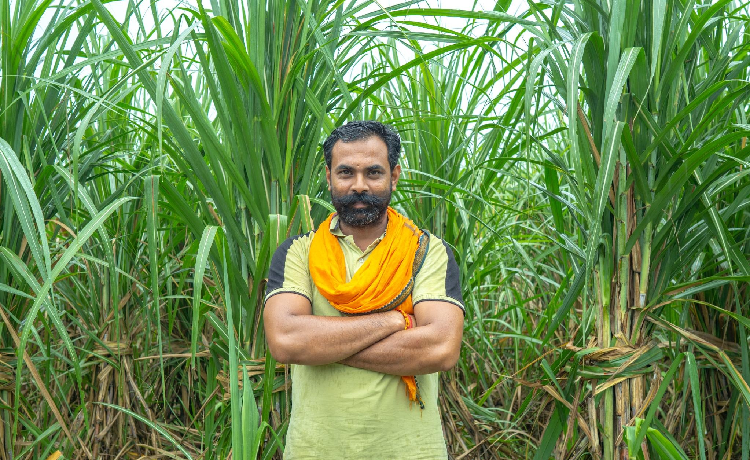
In Chandrapur, Maharashtra, Kishore Kumar Kore’s workday often begins in the field. Having spent many years with Ambuja Foundation’s Better Cotton programme, he understands farming not only as a profession but as a lived local reality. Raised in the region, Kishore knows its topography, soil, rainfall patterns, pest cycles, and the economic pressures farmers face season after season.
His journey into the Climate Coordinator role has been a vertical progression—from grassroots engagement into technical leadership. This depth allows him to translate climate risks into locally meaningful advice. When unseasonal rain affects cotton fibre quality or rising night temperatures stress crops, Kishore connects those changes to practical actions farmers can take on the ground.
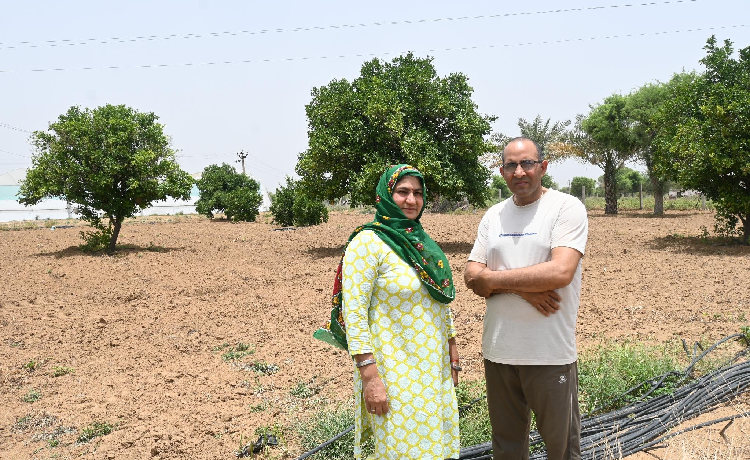
In Rajasthan, Saloni Bhati brings a complementary lens. She joined Ambuja Foundation laterally, with a background in Environmental Studies and research on weather forecasting in India. Her perspective strengthens the role with analytical thinking, global climate frameworks, and evidence-based approaches to adaptation and mitigation.
Where Kishore brings lived agricultural insight and a deep understanding of farmers’ realities, Saloni injects research, systems thinking, and innovation. Together, their backgrounds ensure the role stays practical for farmers while keeping pace with climate science and trends.
From Knowledge to Action
At the heart of the Climate Coordinator role is knowledge translation—turning climate science into something farmers can understand, trust, and apply.
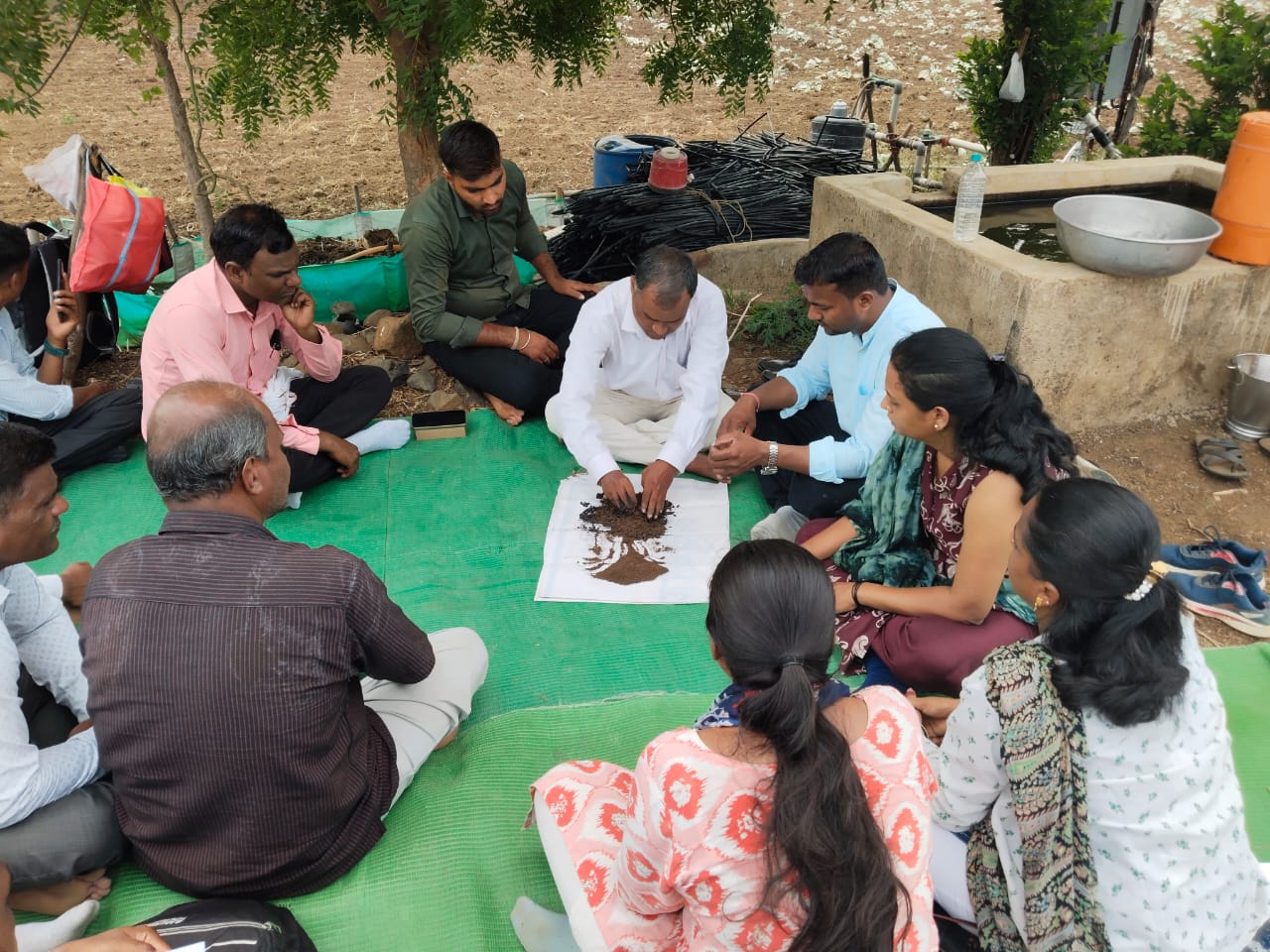
Coordinators create practical knowledge assets: IEC materials, local-language videos, animated explainers, farmer handbooks, whiteboard session videos, and demonstration plots. These show how climate change affects water, soil, pest and nutrient management, yields, and costs—while outlining practices that respond to local challenges.
A core part of the role is promoting effective natural resource management—soil health, water stewardship, biodiversity, and ecosystem resilience—tailored to each geography. Climate Coordinators begin by understanding local context: rainfall patterns, groundwater behaviour, soil types, cropping systems, and farmer realities, before shaping interventions. They support Ambuja Foundation’s field teams to understand climate risks and communicate them clearly to farmers. At the same time, they act as knowledge managers, drawing insights from research institutions, partners, and global frameworks, and adapting them for practical use across programmes.
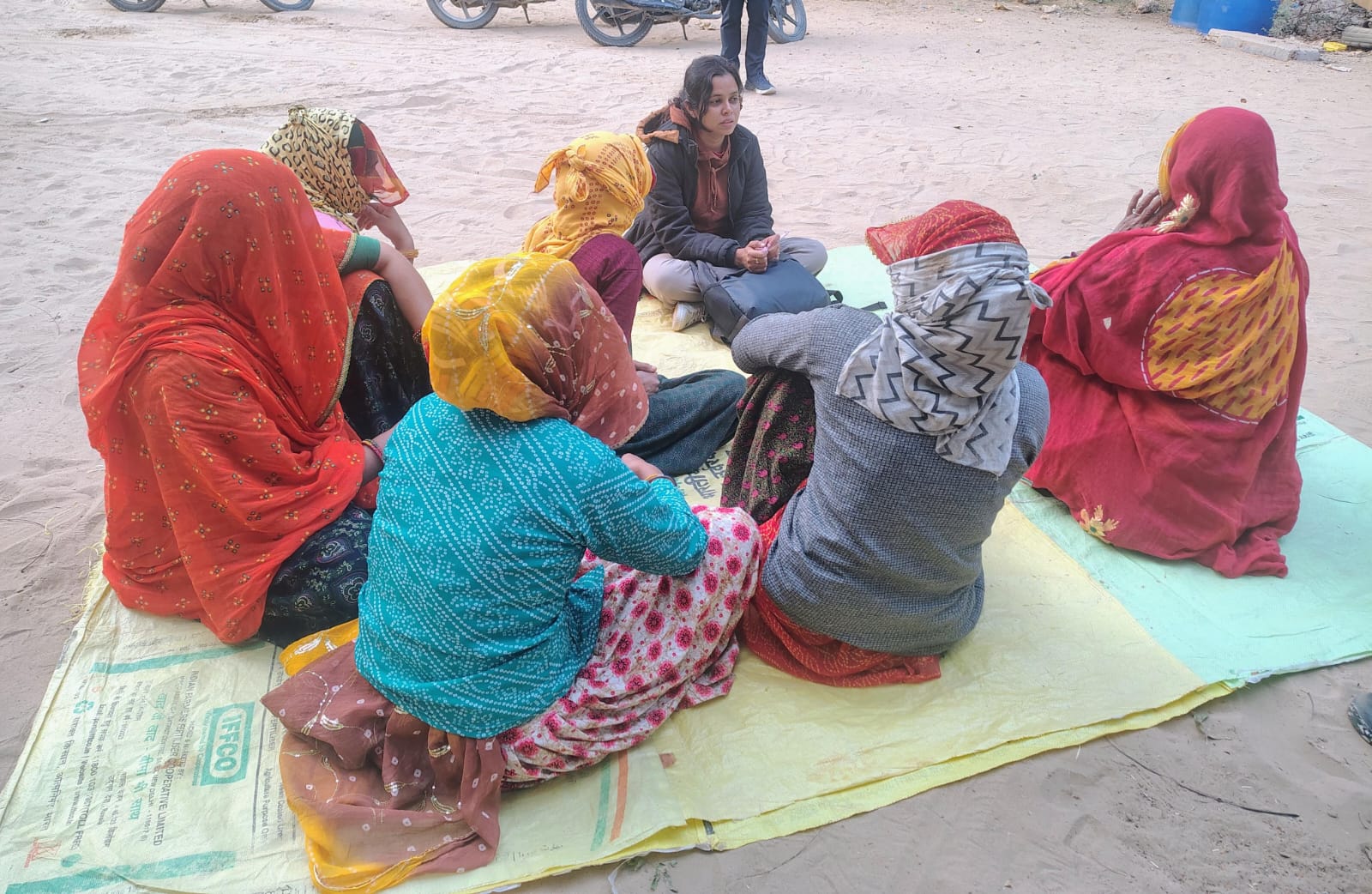
Equally important is internal capacity building. Climate Coordinators train Ambuja Foundation’s field teams—BCI Field Facilitators, water resource management teams, and women’s empowerment teams—so adaptation is embedded into daily extension work, not treated as a parallel activity.
In Maharashtra alone, nearly 315 Ambuja Foundation staff work with over one lakh farmers under BCI. Climate Coordinators ensure climate thinking flows through this system—from training calendars and farmer field books to farm-level adoption of water practices, soil management, and household-level change.
Practical Interventions for Climate-Smart Farming
Much of the Climate Coordinators’ work focuses on promoting low-cost, high-impact practices that reduce risk and improve resilience.
One key pilot intervention is the promotion of biochar—a charcoal-like material made by burning organic waste (crop residue, wood chips, husks, or manure) in a low-oxygen process called pyrolysis. Instead of turning into ash, the material becomes a stable, carbon-rich form added to soil. Biochar improves moisture retention, boosts soil microbes, reduces fertiliser loss, and locks carbon into the soil for decades. For farmers, this means healthier soil and lower input costs; for the climate, reduced emissions and increased carbon sequestration.
In cotton belts, crop residue is traditionally burned openly, releasing emissions and degrading soil. Climate Coordinators promote the use of cotton shredding machines, now operated through SHGs and FPOs on a rental basis. These convert cotton stalks into small pieces that are mixed into the soil, improving soil organic carbon and soil health.
Alongside this, Climate Coordinators promote other practices to enhance soil fertility and carbon sequestration—such as soil testing, raised-bed cultivation, mulching, intercropping, and water-harvesting structures.
Using Data to Reduce Uncertainty
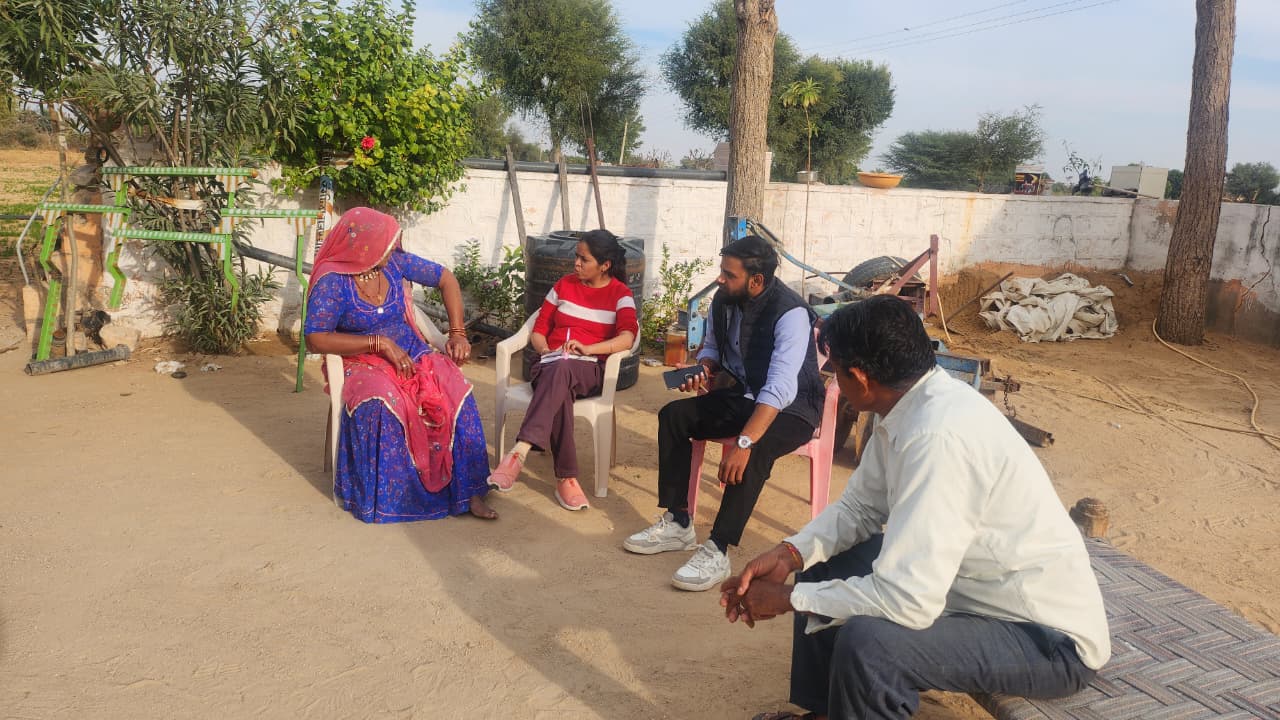
Climate change increases unpredictability. To counter this, Ambuja Foundation has piloted automated weather stations in regions like Nagpur and Chandrapur, with six stations providing farmers within a five-kilometre radius alerts on rainfall, temperature, and wind velocity.
With localised forecasts, farmers can decide when to irrigate, harvest, spray, or pause field work, reducing losses from sudden rain or heat stress. As Kishore notes, changing day–night temperatures and unexpected rainfall increasingly affect cotton quality, but weather alerts alloow farmers to prepare rather than react.
Climate Coordinators also track soil health, water use, input costs, biochar production, and adoption rates of climate practices. Farmer field books help households record labour, input costs, and returns, enabling advisors to recommend cost reductions and better risk management.
Here, data turns climate resilience into something practical—guiding farmer decisions while shaping programme design on the ground.
Local Solutions, Local Production
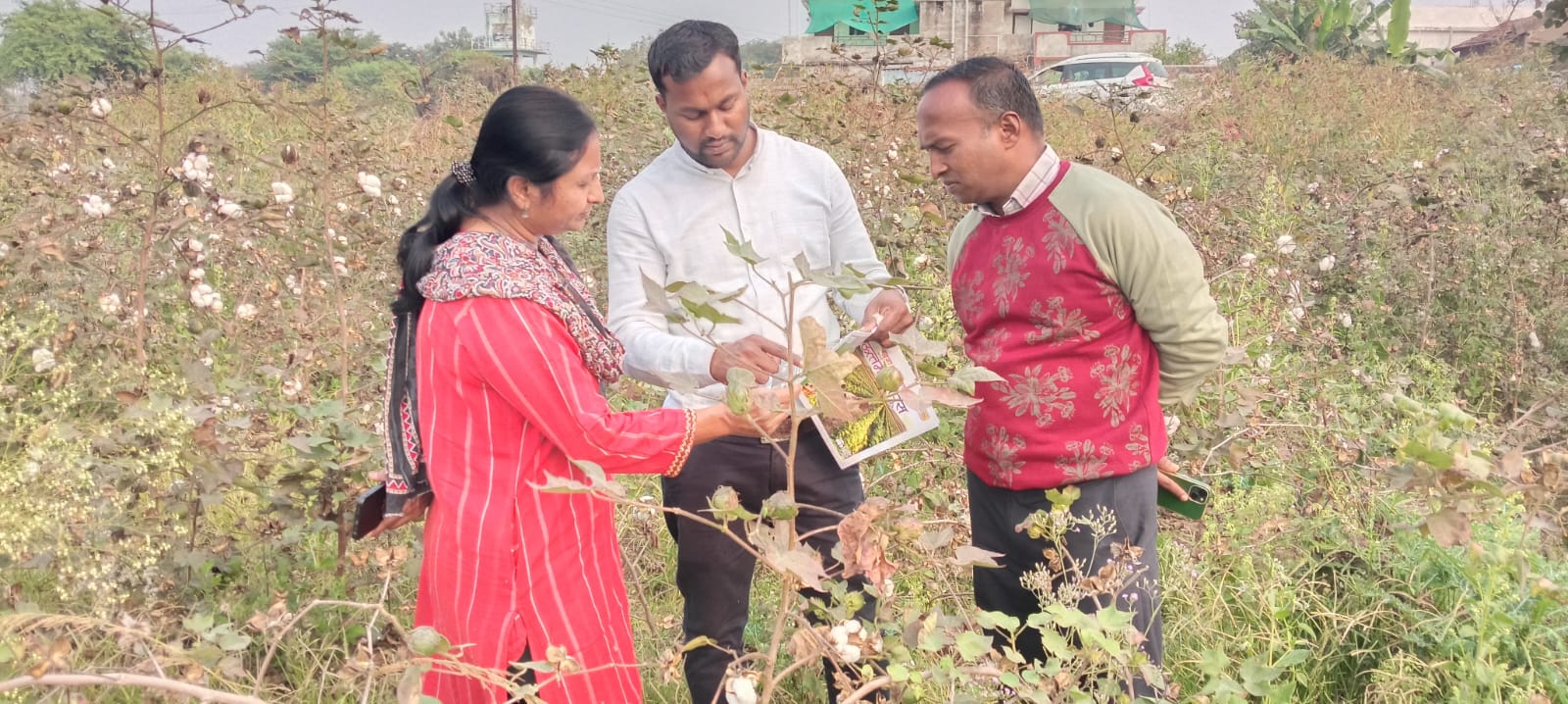
Another pillar of the role is supporting farmers to produce climate-smart inputs locally. Climate Coordinators promote climate-friendly solutions for pest and nutrient management such as Jeevamrut, Trichoderma, and yellow sticky traps to reduce chemical dependency, lower input costs, and protect soil and water health.
Demonstrations show how mechanical and biological controls reduce pest pressure while improving ecosystem balance. Over time, this lowers health risks, stabilises production, and strengthens soil systems in volatile climates.
These interventions do more than solve immediate problems—they create opportunities for local people to build alternative income streams and small enterprises, individually or through collectives and producer groups.
Towards Climate-Smart Villages
What makes the Climate Coordinator role distinctive is its cross-cutting nature. Climate change does not affect agriculture in isolation—it reshapes water availability, crop choices, labour patterns, health, energy use, and even local governance. Recognising this, Ambuja Foundation is building a Climate-Smart Village approach, where resilience is woven across village systems—soil, water, crops, energy, gender inclusion, health, and institutions together. Climate Coordinators help translate this into behaviour change, so resilience becomes part of everyday village life.
In practice, this means working beyond farms alone. Across Ambuja Foundation’s Better Cotton programme, they engage with crop protection, soil health, biodiversity, water stewardship, women’s work, renewable energy, and decent-work principles. Village ponds are desilted to improve water security and use silt on farms, drip irrigation manages scarcity, crop waste is composted or mixed into soils, solar solutions reduce energy costs, and women farmers are encouraged into leadership roles. Each intervention solves a local problem, but together they build villages better prepared for climate stress.
Why Climate Roles Matter for the Development Sector
In much of rural development, interventions respond to immediate problems—but climate change demands a different approach. Climate Coordinators help shift the focus from reacting to preparing for what’s coming.
Instead of acting after crop loss, heat stress, or water shortages, communities learn to anticipate, adapt, and absorb shocks. For development organisations, building climate expertise into roles, teams, and monitoring systems is no longer optional—it is essential to protect investments in water, livelihoods, education, and women’s empowerment.
Through the work of Climate Coordinators, climate-resilient practices move from theory into daily life—helping farmers make informed decisions and strengthen their ability to thrive in the face of climate change.