


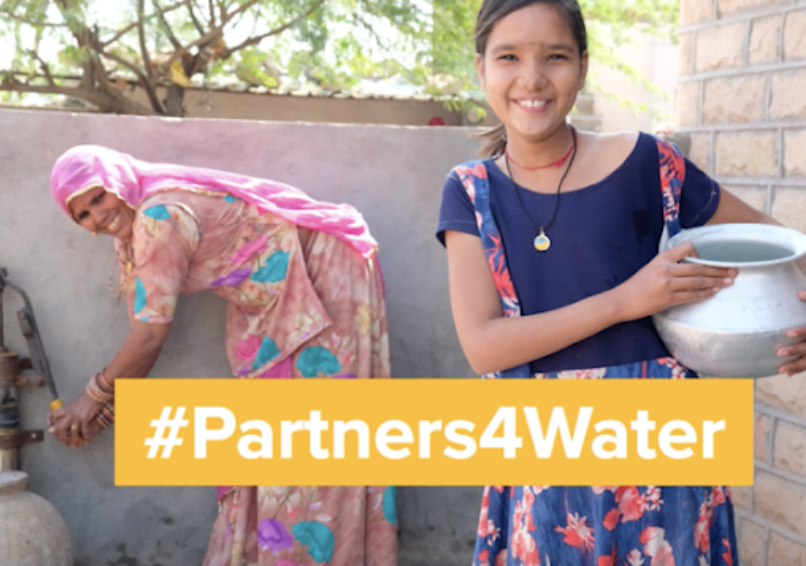
Self-sufficient households in terms of water are not only better equipped to survive severe climate variability and drought, but in times of COVID-19 are better able to adhere to social distancing and hygiene norms to prevent spread of the virus. In 2014-15, Ambuja Foundation joined hands with a financial institution to install over 200 rooftop rainwater harvesting systems in remote Rajasthan and the results speak for themselves…
In parched Rajasthan, shortage of water is a major crisis for communities, exacerbated by prolonged dry summers and erratic rainfall. However, people have lived in the desert state for centuries, and there are many proven traditional and modern ways in which communities can become sustainable in terms of water.
To highlight this, Ambuja Foundation joined hands with a leading financial institution to ensure drinking water for 200 poor and marginalized families of Marwar Mundwa Block in Nagaur District and Jaitaran Block in Pali District. Each family received a Rooftop Rainwater Harvesting Structure (RRWHS) to capture precious rainwater and store it for household use throughout the year. Each RRWHS had a 12,000-litre capacity, sufficient to meet the drinking and cooking water needs of a family of 5–6 members for at least 250 days a year.
Rooftop Rainwater Harvesting is the cheapest way to access potable water in remote areas of the country. The need for maintenance is low; only periodic cleaning and replacement of pipes is required every 4–5 years.
Selection criteria for RRWHS beneficiaries:
- Families belonging to scheduled castes and scheduled tribes
- Widows or single women-headed households
- Persons with disabilities
- Those with chronic illness who were breadwinners
- Landless, agricultural labourers, and small marginal farmers
Villages were selected based on acute water scarcity, poor drinking water quality, and where villagers had to travel long distances to fetch water.
In 2015, Ambuja Foundation constructed 100 RRWHS units at Rabriyawas and 100 units in Marwar Mundwa, completing all units by mid-year. The project provided financial and technical support to help poor families harvest rainwater from their roofs for clean drinking water.
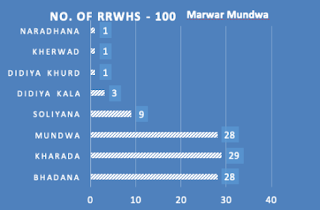
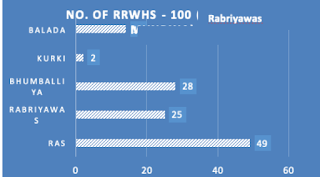
The project brought safe and adequate drinking water to households, improved health, reduced women's drudgery, and lowered stress on groundwater resources.
Kaddudi Devi, a 60-year-old widow from Bhadana Village, shared: “Earlier, I used to bring drinking water from a reservoir and pond 1 km away. Collecting 500 litres daily took me around 2 hours, and I often suffered from body and leg aches.”
Coming from a poor family, she had started digging for an RRWHS but couldn't afford to finish it. With help from Ambuja Foundation and its partner, she completed the tank and now enjoys the benefits.
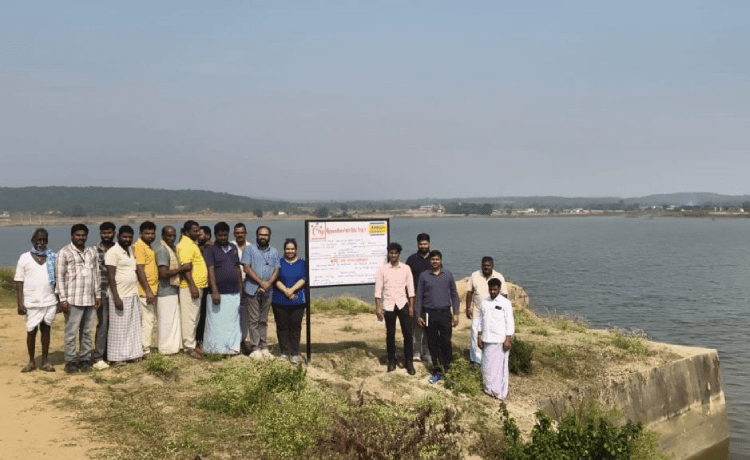
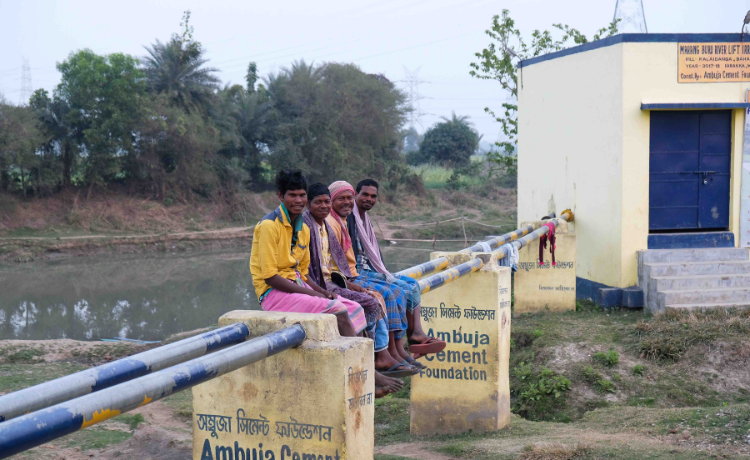
Ambuja Foundation has carried out extensive water harvesting work across Rajasthan and 8 other states by building check dams, renovating ponds and wells, and installing RRWHS. They have transformed water access for over 5 lakh people across rural India, installing 9,922 RRWHS units and providing 120 million litres of storage capacity.
To partner with Ambuja Foundation in bringing safe drinking water to more rural households in India, contact: brajeshsingh.tomar.ext@ambujafoundation.com
.png)