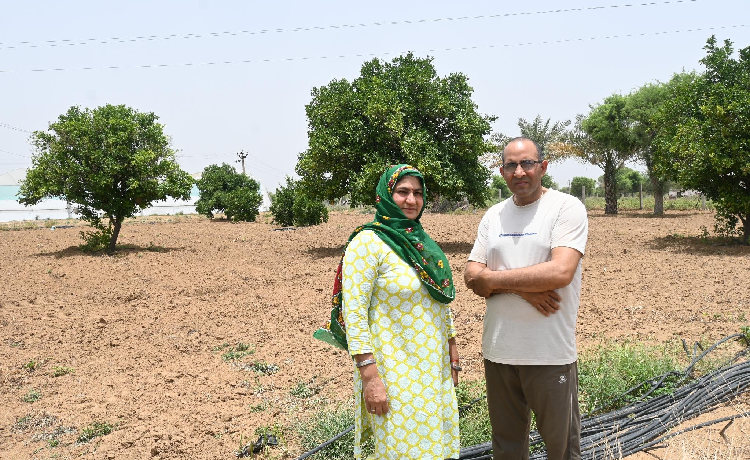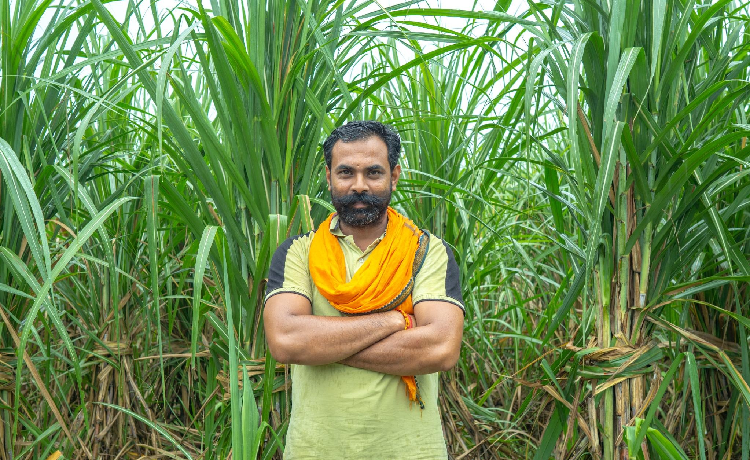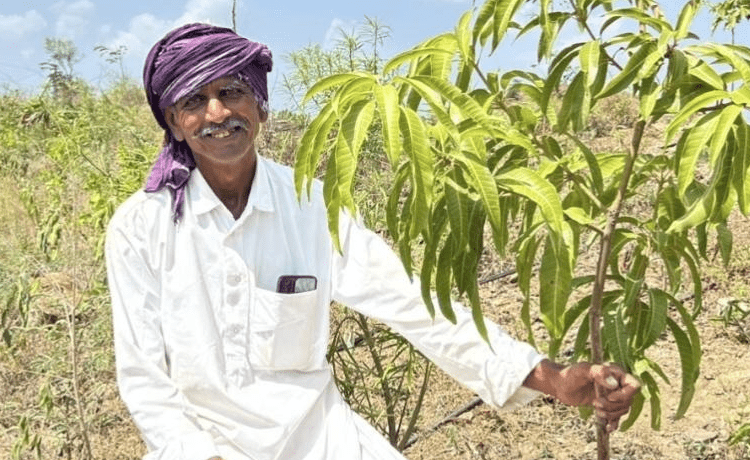



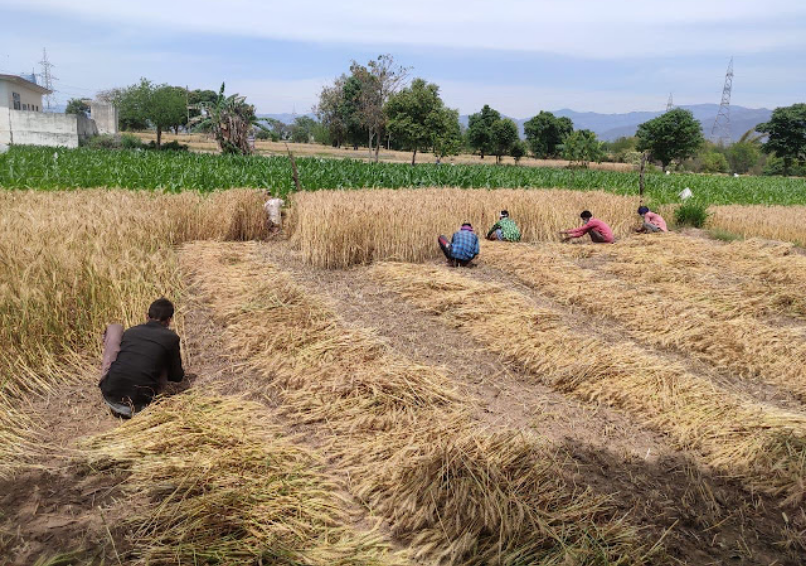
Farmers remain a vulnerable section of the community, and with the nation-wide Coronavirus lockdown taking place during the peak of the rabi season in India — when crops like paddy, wheat, gram, lentil, and mustard are at harvestable stage — farmers have faced increased challenges.
Agro-based livelihoods are one of the biggest program interventions across Ambuja Foundation locations, with over 2 lakh farmers engaged. To help them during this critical time, Ambuja Foundation played a vital role in sharing information about COVID-19 and government guidelines for farmers. Pamphlets were distributed, hoardings set up in village areas, and Farmer Producer Organization (FPO) offices stocked with leaflets, hand sanitizers, and masks specifically for farmers.
Initially, the lockdown prevented farmers from entering their fields. With growing concerns about harvest losses, the Government issued measures to allow access for farmers and waived restrictions on movement of laborers and harvesting machinery. While ensuring labor availability was crucial, equally important was ensuring safety against infection.
Ambuja Foundation used mobile messaging systems to share government safety guidelines on harvesting, advising farmers to maintain social distancing and wear cotton masks during harvesting, transport, and market visits. Farmers were already familiar with wearing masks and gloves for seed treatment in previous seasons, which helped them adapt to new precautions quickly.
Additional awareness efforts included pamphlets and direct messages through FPOs, farmer clubs, and field facilitators. Agricultural volunteers continued supporting the community with livestock treatment, harvest assistance, and related tasks, while observing safety protocols like mask usage and handwashing.
Thanks to these combined efforts, farmers and their families managed to complete around 50% of harvesting despite challenges.
However, concerns remain over transporting harvested produce to markets and keeping the supply chain intact. Ensuring the availability of food grains, fruits, vegetables, and other essentials to consumers during lockdown remains one of the most critical challenges for the government going forward.