Companies in India have adopted different methodologies in planning and implementing their mandated CSR interventions, within the ambit of the CSR law. Two broad trends have emerged - the first being partnering with an external not-for-profit implementation agency and the second being direct implementation through own registered corporate foundation.
The Current Trend
Direct implementation through foundations has been gaining in popularity, yet a majority of companies still rely on non-profits to carry out their CSR programmes. A recent EY Report[1] found that Corporate India's dependence on third party vendors or specialists, to lead and execute these programs, has in fact increased over time. A Samhita Report[2] found that 24% of the companies they surveyed, had their own foundation, 52% had dedicated CSR departments and 43% of all CSR funds in the last four years were spent through supporting NGOs with grants. This trend of increasing partnerships is a welcome trend, and a clear sign of recognising the strength of partnerships and collaborations, thus advancing SDG Goal 17-Partnerships for goals. Many companies also follow a Hybrid model for their CSR programs - directly implementing flagship or key programs through their foundations, and funding other programs through partnerships with external CSR agencies.
How do companies decide which route to adopt?
The decision to adopt a certain mechanism appears to be based on several factors, but two decision variables stand out as significant:
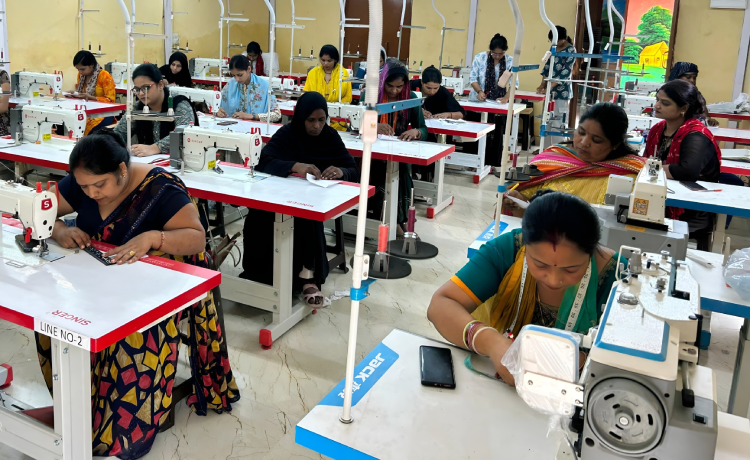
- Thematic Expertise: When companies do have expertise in a certain area, they may prefer to execute projects on their own - this has been most commonly observed in skill training and creating a pool of skilled manpower for the industry sector in which the company operates. On the other hand an implementing partner may be preferred option when the CSR activities are not directly related to their business, or the corporate lacks expertise in a the selected thematic area. Implementing agencies is the more suitable model for their presence in the target geographies, local connections and knowledge based experience in executing social projects which a company may typically lack.
- The Size of their CSR Corpus: Companies with large funds usually prefer to set up a foundation, as it gives them more control over how the money is spent. One of the recurring challenges for companies to carry out CSR activities, has been identification of suitable implementing agencies. Companies have been finding it difficult to ascertain the track record and capacity of a CSR implementing agency to undertake CSR activities to their satisfaction. If a large number of implementing agencies are necessitated due to the size of the corpus, companies may opt to implement some key flagship programs through their own foundations
The Pandemic's impact on CSR Implementation
The outbreak of Covid 19 has led to companies pivoting, not just their CSR priorities, but the implementation methodologies as well, to address the more pertinent social issues caused by the pandemic.Responding to the COVID-19 pandemic has provided corporates the opportunity to expand their CSR footprint and engage with newer sectors and beneficiaries. The Government's PM-CARES Fund witnessed monumental support from corporates. Additionally, many companies also contributed significantly to the programs and relief efforts of NGO's and partnered with local authorities of respective state governments to donate medical/food supplies and scale other initiatives to cater to the needs of local communities. Some corporates have also creatively deployed funds towards initiatives aligned with unconventional areas of relief such as promoting mental health during the lockdown and harnessing communications technology to create awareness about preventative measures.
Future Trends
Going forward newer implementation models are likely to emerge, whereby public and private sources of capital come together and develop ingenious methods to ensure that capital flow to the social sector is unhindered and capital is utilised effectively to generate a lasting impact for the community.
A potential trend is Social Compact companies (SICs) or For profit ventures for a social cause, that could also function as implementing agencies for CSR, receive CSR funds as capital, generate employment and access funds from the proposed Social Capital Exchange when it is functional.
[1] EY's report Corporate social responsibility in India: re-engineering compliance and fraud mitigation strategies
[2] Decoding CSR Trend In India - Looking Back to Look Forward By Samhita Social Ventures, March 24, 2020