


Across rural India, climate change is severely impacting livelihoods. Erratic rainfall, prolonged dry or wet spells, cyclone, and rising temperatures are not just environmental challenges—they are severely impacting rural families whose incomes depend on agriculture and allied livelihoods. Most smallholder farmers and landless labourers contribute very little to global emissions but face the harshest consequences. Women-headed households, in particular, are disproportionately impacted—research shows that a 1°C rise in temperature can slash their income by up to 34%.
At Ambuja Foundation, we believe the most powerful solutions to climate change are rooted in the nature itself. We champion nature-based solutions that strengthen the ecosystems rural communities rely on—soil, water, and biodiversity—so they can withstand the shocks of a changing climate. Because when the nature thrives, so do the people.
As Chandrakant Kumbhani, COO – Community Development, explains, “We are an organisation that promotes nature-based solutions for building climate resilience communities. By harnessing the strength of nature, we help rural communities move from vulnerability to stability—and ultimately, to prosperity.”
It’s a complex challenge, but Ambuja Foundation orients its Climate Resilience Strategy around five key tenets:
1. Household Resilience Begins with Strengthening and Diversifying Agricultural Income
To design meaningful, effective interventions, we must first understand the nature of rural livelihoods. As Chandrakant says, “Most families depend on agriculture and allied activities, and climate change is disrupting every part of that system—prolonged heat, erratic rainfall, floods, long dry spells. The evidence is clear - long-term weather patterns are shifting, and vulnerable rural communities are feeling it first.”
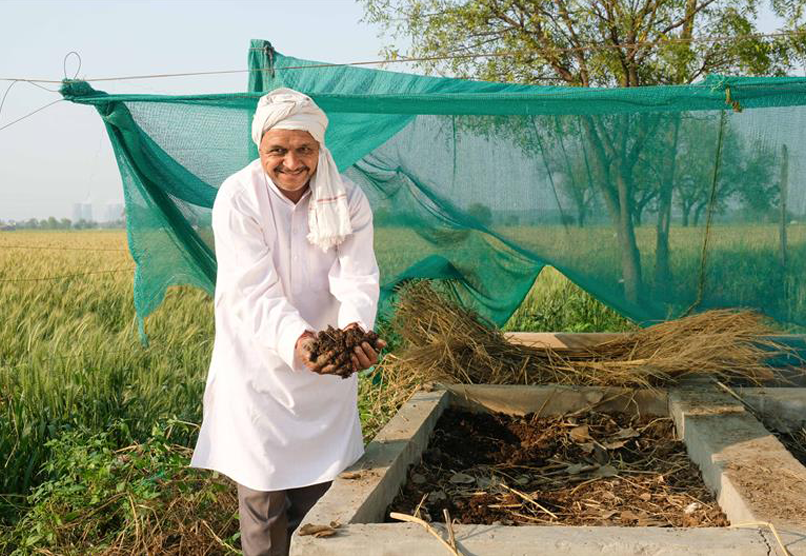
The first line of climate defence starts at the household level. Ambuja Foundation helps farmers transition from input-heavy, monocrop systems to natural, regenerative, and low-cost farming practices that are inherently more resilient to climate variability. By adopting bio-inputs, reduced tillage, intercropping, composting, mulching, and green manuring, farmers rebuild soil health, improve moisture retention, enhance crop nutrition, and reduce dependence on costly chemical inputs—all of which strengthen the farm ecosystem against heatwaves, erratic rainfall, and pest outbreaks.
Natural farming is complemented with on-farm diversification so households maintain multiple climate-resilient income sources. Families adopt allied activities such as goat-rearing, dairy, poultry, kitchen gardens, and micro-enterprises that add value to their produce. These complementary income streams stabilise household finances, ensure food security, and create buffers against climate shocks.
“Preparing communities for climate shocks means helping them broaden their livelihoods. If someone is a farmer, what else can they do beyond cropping? Poultry, dairy, goat-rearing—these additional income sources make a huge difference in tough years.” Chandrakant emphasises.
2. Strengthening Soil, Water, and Biodiversity
Nature-based solutions work because they restore the ecological pillars that rural livelihoods depend on. Ambuja Foundation focuses on strengthening three interconnected foundations—soil health, water security, and biodiversity—ensuring that entire landscapes are better equipped to handle climate shocks.
Healthy soil is the bedrock of resilient agriculture. Farmers are trained in composting, mulching, green manuring, crop rotation, and use of biorational inputs in pest management, improving natural fertility, and helping soil retain moisture during dry spells. These practices reduce chemical reliance, improve crop resilience, and foster regenerative ecosystems. Farmers are also introduced to low-cost, locally produced alternatives—like yellow sticky traps and jeevamrut - to cut input costs while creating micro-enterprises that strengthen local economies and keep money within the local community.
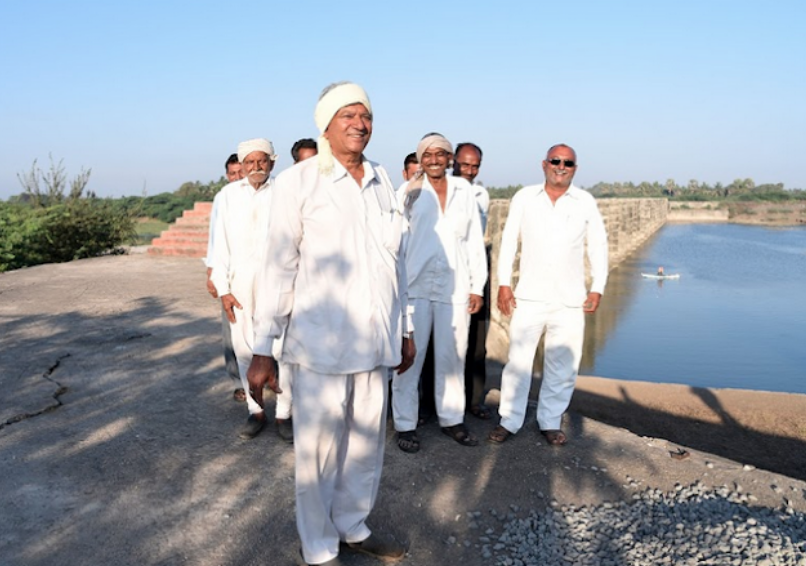
Water security is equally fundamental. Through watershed development, creation of farm ponds, rejuvenation of common water bodies, and promotion of micro-irrigation systems, Ambuja Foundation ensures that farmers have at least one assured crop even in low-rainfall years. “Managing shared water resources becomes critical in rainfed areas. With water harvesting and micro-irrigation, farmers can secure one reliable cropping season despite climate shocks.” Chandrakant explains.
Biodiversity restoration ties the ecosystem together. Diverse crop varieties, mixed farming systems, and pollinator-friendly landscapes improve ecological balance while offering multiple income pathways. Working with communities to create biodiversity parks and maintain native species by promoting agroforestry or horticulture further enhances resilience. “This integrated approach helps farmers maintain steady yields, safeguard their livelihoods, and rebuild the natural health of their land over time.” Mr Kumbhani says.
3. Building Income Resilience Beyond Farming
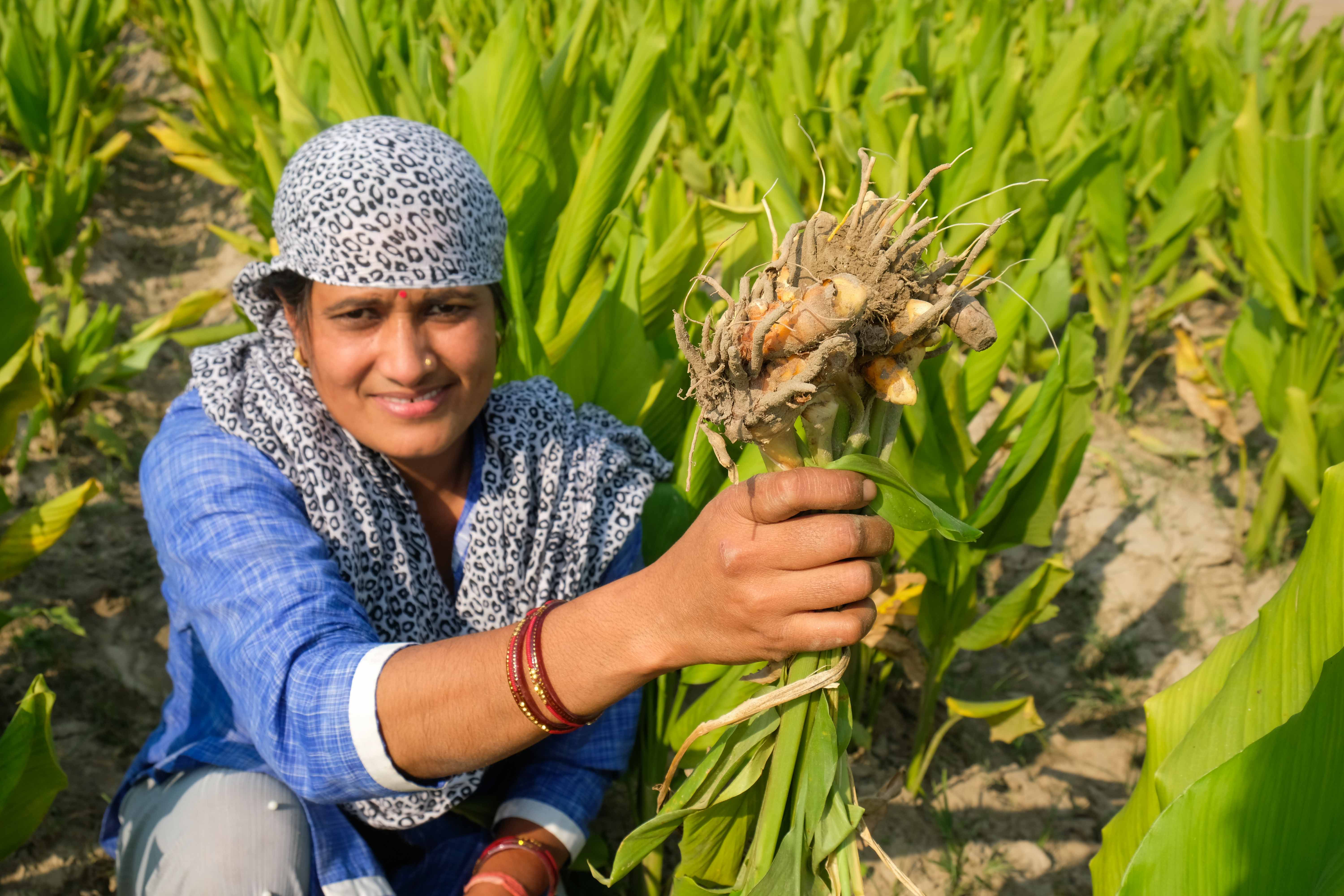
Climate resilience also means ensuring families are not solely dependent on agriculture. Ambuja Foundation strengthens this by creating off-farm income pathways for youth and women.
For rural youth, Skill and Entrepreneurship Development Institutes (SEDI) provide market-linked training in trades such as retail, electrical, hospitality, digital services, automobile repair, and other high-demand sectors. These vocational courses young people secure stable jobs or launch local enterprises, giving households a dependable income buffer against agricultural shocks.
Simultaneously, women are mobilised into individual and group-based micro-enterprises—from producing and selling products relevant to local market to tailoring, craft-based businesses, and small shops. Self-help groups enhance financial literacy, promote savings, and provide access to credit to expand these enterprises. Chandrakant notes, “In many rural families, there are four or five adults. Even if one or two members diversify into off-farm livelihoods, it creates one resilient income source for the household.”
These initiatives stabilise income year-round and ensure that climate impacts on agriculture do not escalate into household-level crises.

4. Strengthening Local Institutions for Sustaining Impact
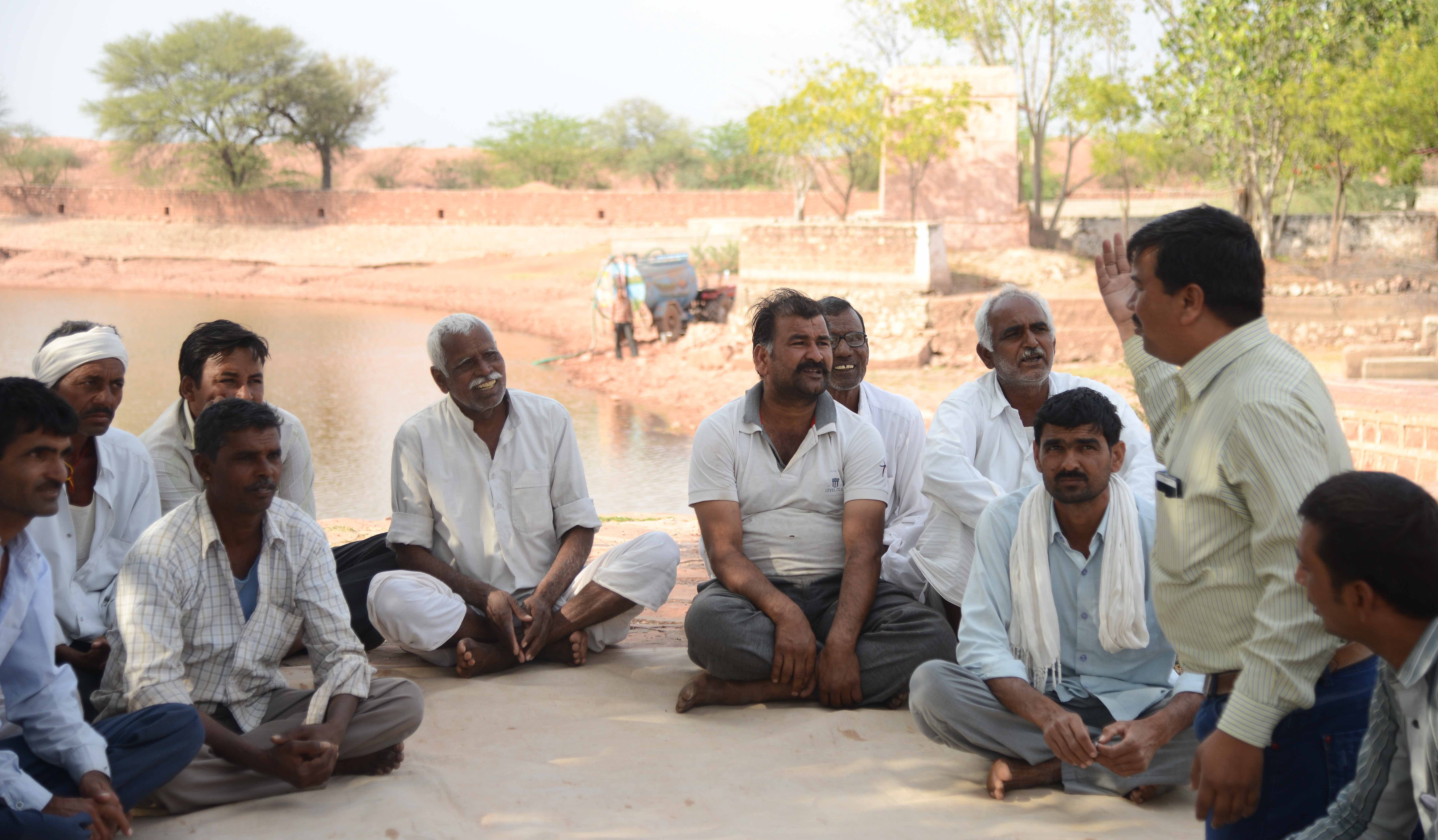
Long-term resilience is not only ecological—it is social. Community institutions play a critical role in managing shared resources, coordinating collective action, and helping farmers negotiate better with markets and government systems. Ambuja Foundation strengthens Farmer Producer Organisations, self-help groups, water-user associations, village watershed committees, and other people’s institutions, creating platforms for community leadership in sustaining longterm impact and its sustainability.
“Water, soil, and biodiversity are the foundation of resilience. But communities must come together to manage them. When farmers have their own organisations, they can interact with markets directly instead of intermediaries. And when local people have decision-making power via their own institutions, sustainability in the long term is more assured.” He said.
5. Context Based Strategies Guided by Science & Traditional Knowledge
Ambuja Foundation’s climate strategy is shaped by both scientific evidence and generations of local knowledge. Every geography faces distinct climate challenges—Salinity affected area in coastal Gujarat, Arid Rajasthan, Rainfed area of Vidarbha in Maharashtra or steep mountain ecosystems in Himachal Pradesh. By combining climate projections with insights from communities who have lived on the land for generations, Ambuja Foundation designs interventions that are place-based, resource-sensitive, and future-oriented.
Traditional knowledge—from indigenous water management practices to seasonal crop rotations and locally adapted farming techniques—provides practical solutions honed over centuries. By marrying this wisdom with modern scientific methods, Ambuja Foundation creates strategies that are both effective and culturally resonant, ensuring that communities can implement practices they trust and understand.
“Climate resilience is entirely contextual. What we do in West Bengal is different from Gujarat or Himachal. We study the local issues, listen to communities, and understand what the science is telling us. Only then do we design appropriate interventions,” Chandrakant explains.
This approach ensures that every intervention—whether watershed development, crop diversification, or livelihood training—leverages both the insight of local communities and the rigor of scientific analysis, making solutions practical, sustainable, and deeply rooted in local realities.
A Nature-Based Vision for Rural India’s Future
At Ambuja Foundation, we believe that the power of nature itself can build household and community resilience. By restoring soil health, conserving water, and promoting biodiversity, communities can shield their livelihoods from climate shocks and strengthen both household and village-level resilience.
The solutions we champion draw on traditional, regenerative practices—ways of farming, managing water, and living in harmony with the nature that have sustained communities for generations. Nature knows best, and by returning to these natural methods, families not only protect their immediate income and food security but also nurture ecosystems that support long-term wellbeing for all.
In harnessing the power of nature, rural communities regain agency over their environment and their future, building resilience from the ground up – both literally and sustainably.

Mr. Chandrakant Kumbhani is the Chief Operating Officer, Community Development Initiatives at Ambuja Foundation