


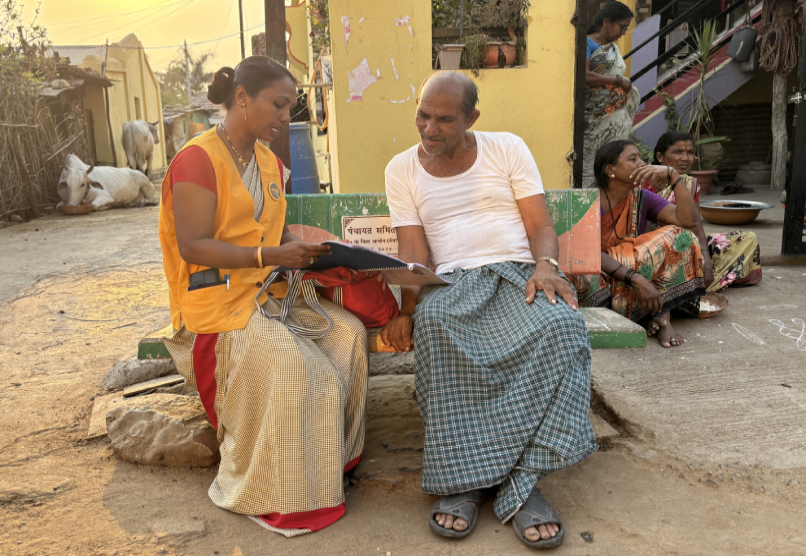
When we think of agricultural sustainability, our minds often go to soil health, water security, climate resilience, or livelihoods. Rarely do we stop to consider the person at the centre of it all—the farmer, whose mental and emotional well-being underpins every decision, every season, and every household. Farming in India is emotionally demanding. Unpredictable weather, pest attacks, fluctuating prices, debt, and the weight of family responsibilities create constant pressure. Over time, these stresses erode confidence, isolate farmers, and reduce their ability to plan for the future or adopt new practices.
Mental health is not a peripheral issue, it is foundational to sustainable agriculture.
The scale of the challenge is staggering. India has an estimated 150 million adults living with a mental health condition, yet the vast majority particularly in rural areas have little access to care. Anxiety, chronic stress, and depression are often intensified by fears of losing livelihoods, rising health costs, climate shocks, and the fragile economics of smallholder farming. For farmers, these struggles are not just personal, they ripple across families, communities, and the very productivity and resilience of agriculture itself.
The Human Cost of Chronic Stress
For decades, the toll of these pressures has been tragically evident. Over 10,700 farmers and agricultural labourers died by suicide in 2023, nearly 30 lives lost every day, accounting for around 6% of all suicides in India, according to the National Crime Records Bureau. Agricultural labourers now represent a larger share than cultivators, reflecting growing wage insecurity and seasonal unemployment.
These deaths rarely stem from a single event; they are the culmination of chronic stressors and untreated mental distress. Key drivers include debt, crop failures, volatile market prices, limited access to institutional credit, and weak infrastructure, compounded by environmental shocks such as droughts, floods, and pest attacks. Beyond the immediate loss of life, the human cost extends to families’ financial stability, long-term livelihoods, and community well-being.
From Crisis Response to Community-Based Care
The pandemic further exposed these vulnerabilities. Ambuja Foundation observed a sharp rise in anxiety and depressive symptoms among farmers and their families. Recognizing that addressing mental health is as vital as stabilizing income, Ambuja Foundation integrated mental health interventions into its broader Non-Communicable Diseases (NCD) program, which includes Atmiyata, a community-led mental health initiative. Atmiyata trains village volunteers to identify distress, provide emotional first aid, and refer serious cases to formal health services, strengthening the overall mental health ecosystem in agricultural communities.
Building on the lessons of Atmiyata, Ambuja Foundation along with Better Cotton Initiative has launched a dedicated, agri-community-focused mental health programme that addresses the unique stresses farmers and their families face. In this programme, Mitras—drawn from lead farmers, village members, ASHAs, and others—are trained to identify early signs of distress, initiate conversations, and link individuals to Champions for further support and intervention. Champions , drawn from Ambuja Foundation’s field teams and facilitators, undergo intensive training from experts of the Centre of Mental Health Law & Policy to deliver low-intensity, evidence-based counselling using techniques such as active listening, problem-solving, behavioural activation, and relaxation.
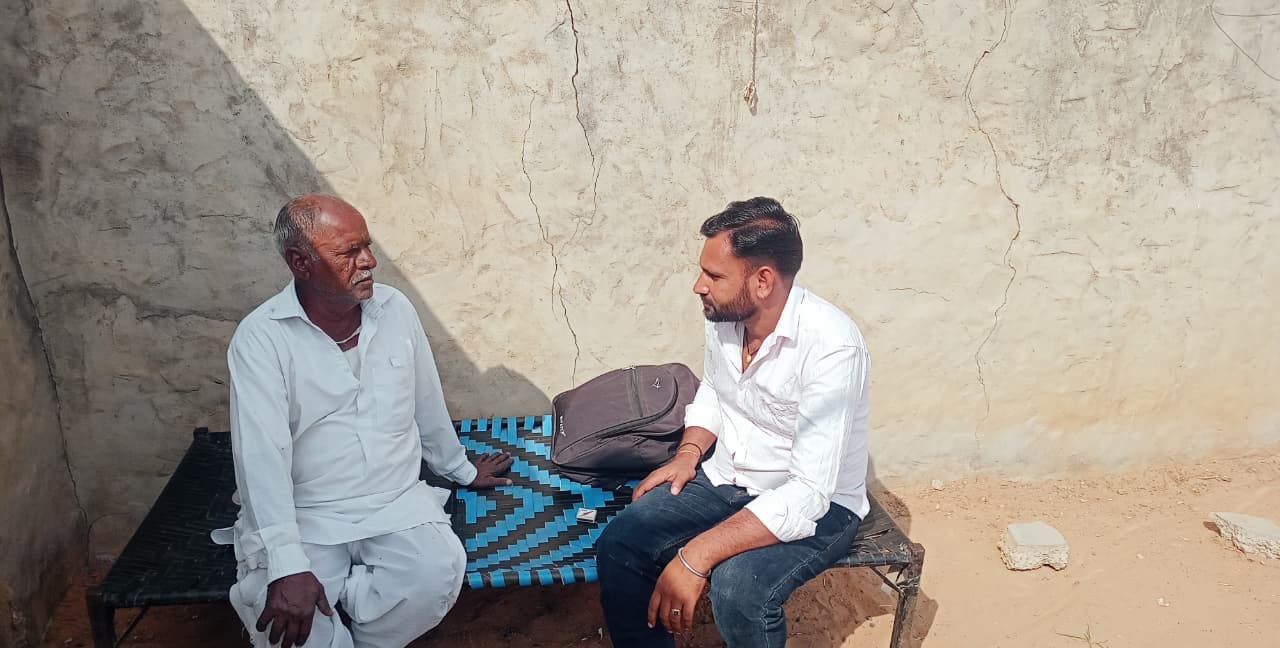
This continuum of care, which includes about six sessions, ensures that mental health support reaches farmers where they live and work, leveraging the trust and relationships Ambuja Foundation has built over years. Cases requiring specialised care are further referred to mapped formal facilities with psychiatrists and counsellors.
Breaking Stigma, Building Trust
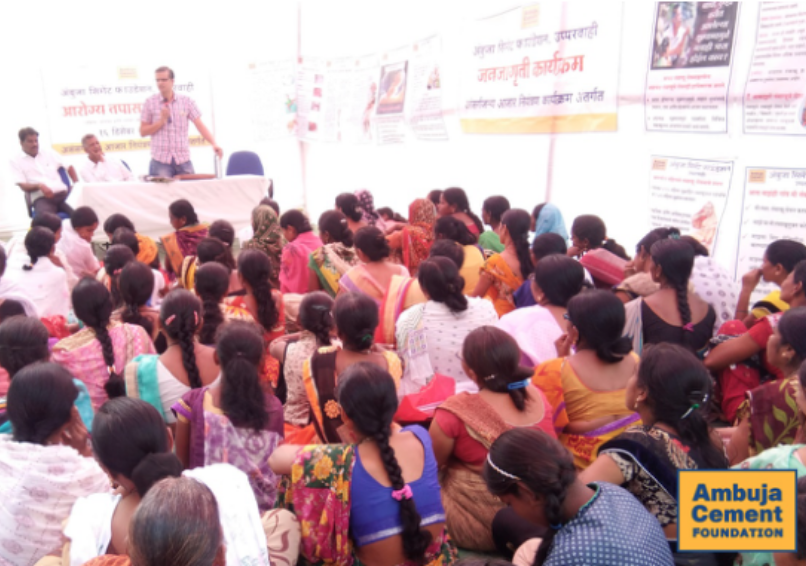
Community engagement remains a cornerstone of the program. Stigma around mental health is high, so discussions use familiar language such as “stress” or “tension” rather than clinical terms. Short films addressing different mental health issues in local languages help spark dialogue, allowing community members to see their struggles reflected and to engage without fear. In one village, a farmer with severe addiction and domestic violence issues was gradually supported through counselling. Step by step, guided by Mitras and Champions, he began changing his behavior, showing how targeted support can transform lives.
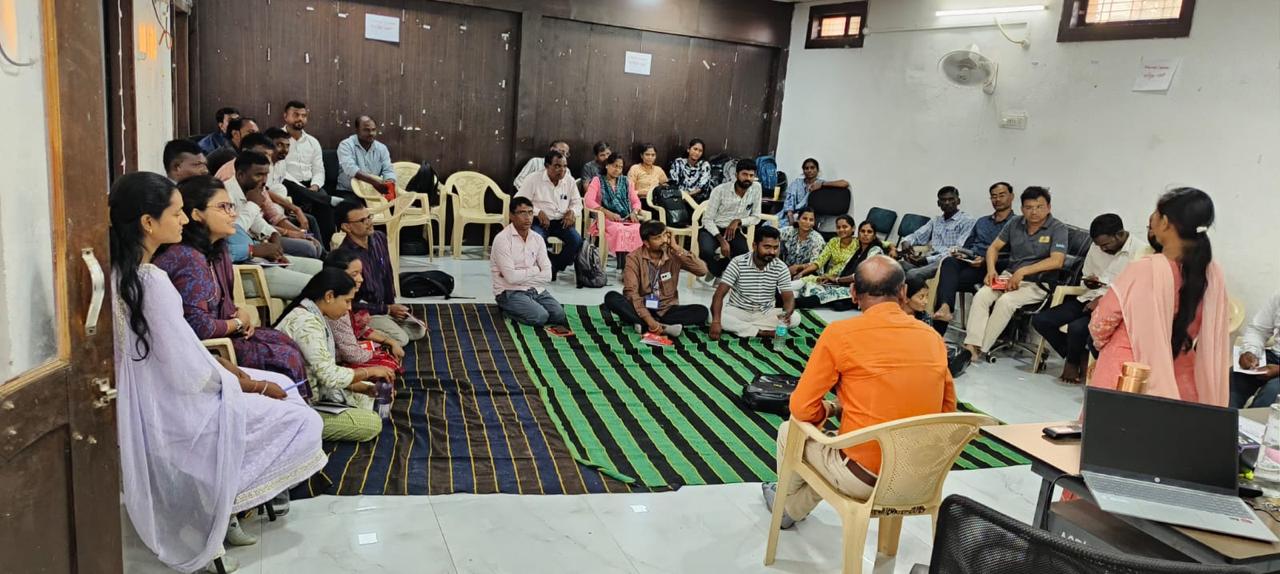
The program’s impact has grown steadily. Over the past two years, more than 12,000 families across 100 villages have been reached, with 116 community volunteers trained. Through partnerships like Better Cotton Initiative, this focused program now spans nearly 2,000 villages in Maharashtra, Gujarat, Rajasthan, and Punjab, with hundreds of field facilitators trained as Champions. While chronic mental disorders remain rare in the programme’s villages, early identification of concerns—including self-harm and suicidal thoughts—and referral to psychiatrists have helped prevent crisis, strengthen community trust, and normalise conversations around emotional well-being.
Redefining What Sustainability Truly Means
For Ambuja Foundation, mental health is no longer a “soft” add-on to agricultural programming; it is integral to supporting farmers’ livelihoods. When farmers have access to psychosocial support, they are better equipped to cope with stress, assess risks, and make informed decisions on their farms. This, in turn, influences how they respond to crop losses, manage resources, and adopt more sustainable practices, ultimately affecting their ability to provide for their families. As climate change brings unpredictable weather, crop failures, and growing resource scarcity, mental well-being has become a critical factor in sustaining agriculture. Supporting farmers’ mental health is therefore not just about care — it strengthens resilience, productivity, and household stability.
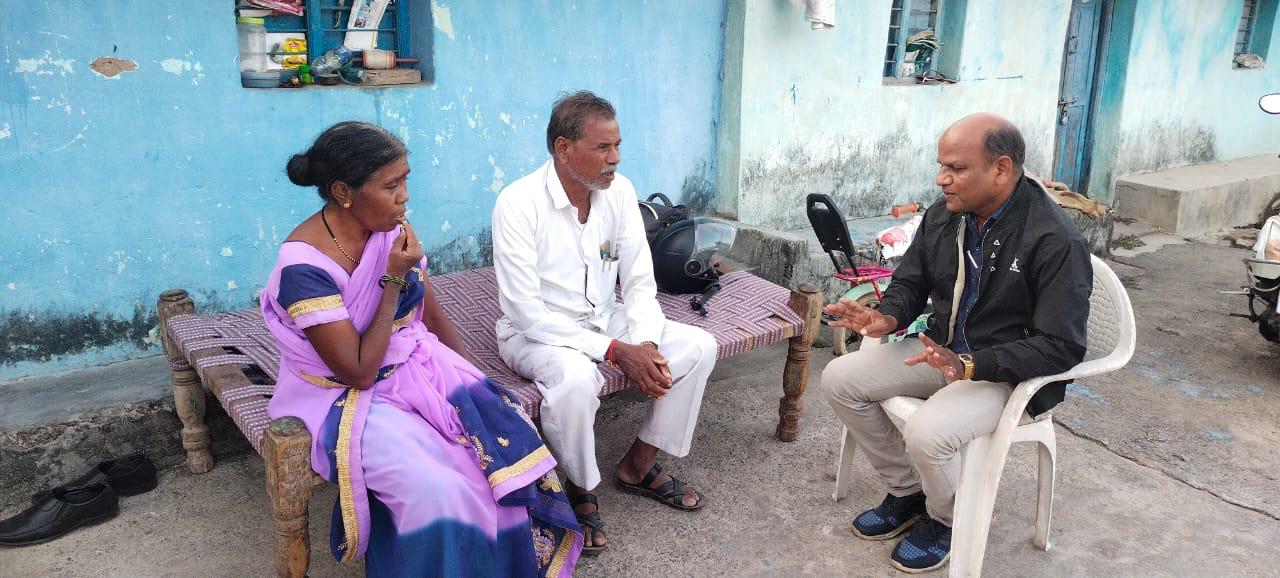
By embedding mental health support into agricultural programs, Ambuja Foundation demonstrates that true sustainability is not only about the natural resources, it’s about the people who cultivate it. The future of Indian farming depends as much on emotional resilience and practical support as on technology, inputs, or infrastructure. Supporting farmers’ mental health is now a vital part of building a stronger, more sustainable agricultural sector. Farmers who are equipped to navigate stress, uncertainty, and climate-related shocks are better positioned to sustain their livelihoods, strengthen their communities, and secure the next generation of agriculture. Going forward Ambuja Foundation along with Better Cotton Initiative and local healthcare systems plans to strengthen existing mechanisms and train more Champions and Mitras to reach a wider range of farming communities.
Impact Snapshot
Reach & Coverage
- • 100+ villages directly engaged over the last two years
- • 12,000+ community members supported
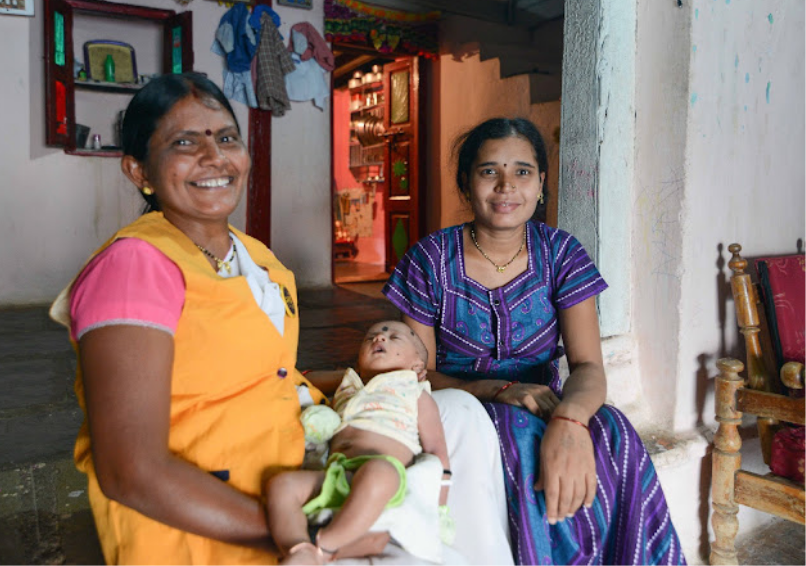
- • 116 community volunteers (Sakhis) trained to identify distress and provide emotional support
Scaling Through Partnerships
- • Expanded via Better Cotton Initiative partnerships to Maharashtra, Gujarat, Rajasthan, and Punjab
- • Now covering 2000 villages under Better Cotton Initiative
- • 22 Master Trainers leading the program
- • 722 Field Facilitators trained as Atmiyata Champions, providing low-intensity counselling and referrals
- • Mitras cadre in each villages are being identified and trained
On-the-Ground Impact will enable
- • Individuals with both common and severe mental health conditions provided with care and referrals
- • Early intervention prevents crisis and helps farmers manage stress, reduce isolation, and make informed decisions
- • Farmers report greater confidence, improved household relationships, and stronger willingness to adopt sustainable agricultural practices