


'New projects' are an integral part of life at Ambuja Foundation. To continue raising the bar and forging new boundaries, a culture of thinking outside the box is fostered. Team members are encouraged to try new initiatives — even if they fail, as long as they learn from it.
It is no different in Himachal Pradesh — a state that presents unique challenges, where a range of new projects are being implemented to solve pressing community problems.
1. Mitiyan Springshed Development
In the Himalayas, the majority of water consumption comes from springs. But with the uncertainty of water due to climate change, there’s a need to revive springs to provide drinking water to the local population.
In 2018, Ambuja Foundation partnered with NABARD to build a springshed in Mitiyan at Nalagarh District, a hilly area at 3,300ft altitude. Known for acute water scarcity, this spring now provides drinking water to six villages.
To control rainfall runoff and recharge groundwater, work focused on topography, vegetation, and soil. A Village Development Committee (VDC) of 10 members (including four women) was formed, and they visited Dehradun to see successful springshed projects.
Community volunteering (Sharamdan) helped gather stones to build a crate wire wall for spring safety in village Riya, and a drain was excavated. With capital works complete, the VDC is now monitoring water discharge to assess results.
2. New Projects in Agriculture
To increase profits and match market demand, farmers in Himachal Pradesh are adopting new crops and practices.
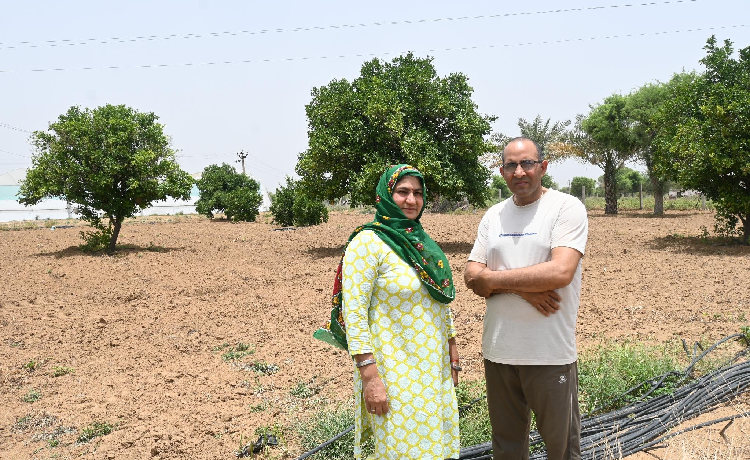
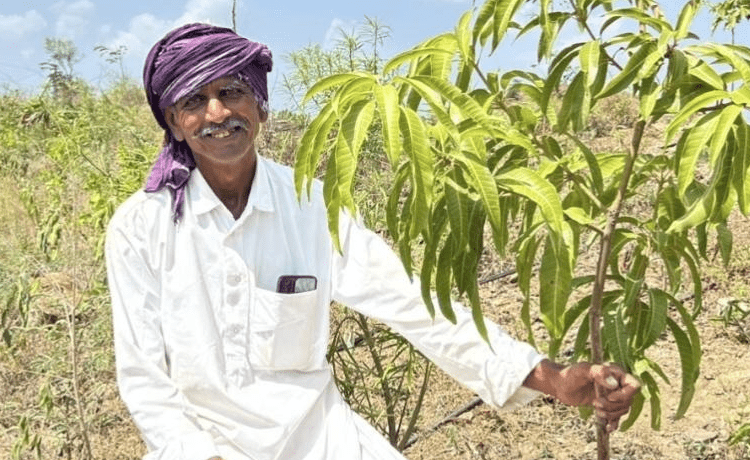
For instance, radish seed fetches Rs. 8,200 per quintal, compared to wheat at Rs. 1,800 per quintal. Ambuja Foundation helped 53 farmers plant radish seed across 246 bigha of land — a cost-effective and profitable move. Additionally, six farmers revived peanut cultivation after 20 years, and 15 farmers replaced maize with marigold cultivation for better returns.
Line sowing of maize using a seed drill was introduced on 125 bigha of land, reducing seed use and improving yield. Similarly, direct sowing of wheat seed through zero tillage helped farmers save Rs. 1,000 per acre and reduced pollution by avoiding burning of paddy residue.
3. Liquid Waste Management – Health Initiative
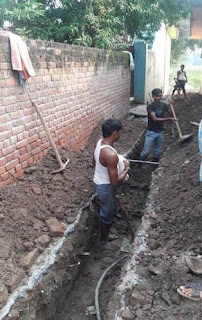
In two villages, 290 households benefit from a liquid waste management trial where 70% of open drains were covered to prevent drinking water contamination. The initiative began after an exposure visit showed local health committee members its benefits.
Underground pipelines now channel wastewater properly, with inspection chambers at key points. Soak pits are under construction to prevent open discharge. Results include fewer cases of malaria, diarrhea, and typhoid; cleaner drinking water; and wider streets benefiting the whole community.
4. New Courses on Offer at SEDI
Based on market demand, SEDI introduced two new courses: GST Tally at SEDI Darlaghat and Quality Control Assistant Training in Nalagarh.
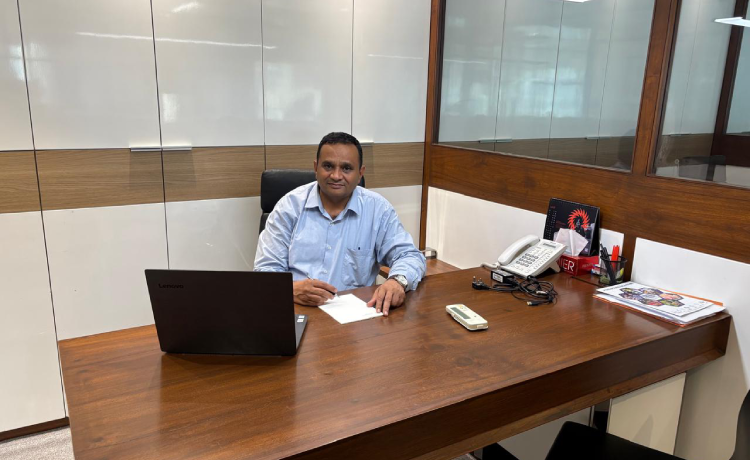
The Tally Ace ERP 9 & GST course, run in collaboration with Tally Education Pvt Ltd, is a 3-month certification program preparing trainees for careers in accounts, finance, auditing, banking, and entrepreneurship. So far, 66 trainees have completed it, with 48 placed in companies like Tally Ltd, Alliance Pvt Ltd, and CA consultancies.
The Quality Control Assistant (Visual Inspection) course launched in Nalagarh with Alkem Foundation offers two months of classroom training plus 15 days of on-the-job training at Alkem Laboratories. This meets local demand in South Asia's pharmaceutical hub. Twenty students have been trained, and 16 are now working in companies like Alkem, Glenmark, Sentiss Pharma, and USV Pharma.
Reach out to us at communications.acf@ambujafoundation.com to learn more about our new projects in Himachal Pradesh.
.png)