


November 15, 2022

No Longer Burning Cash

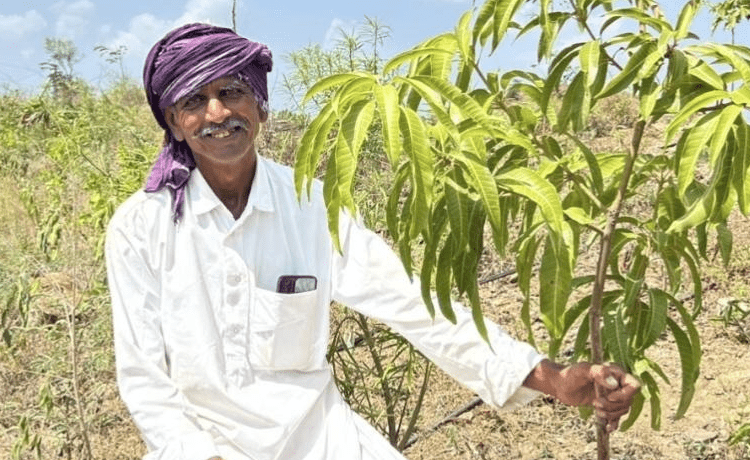
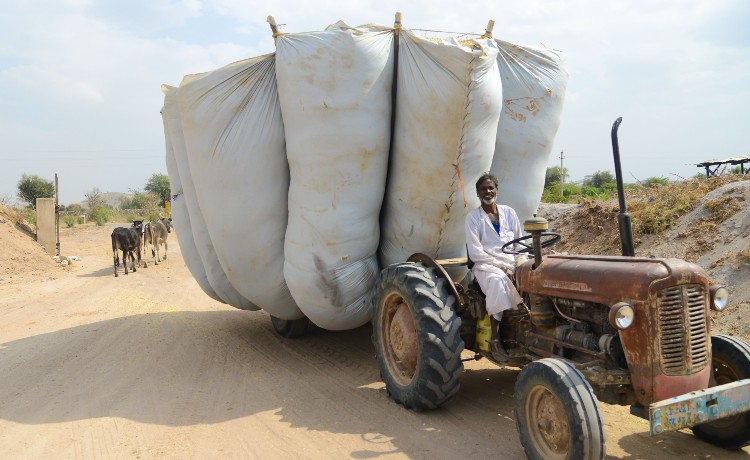
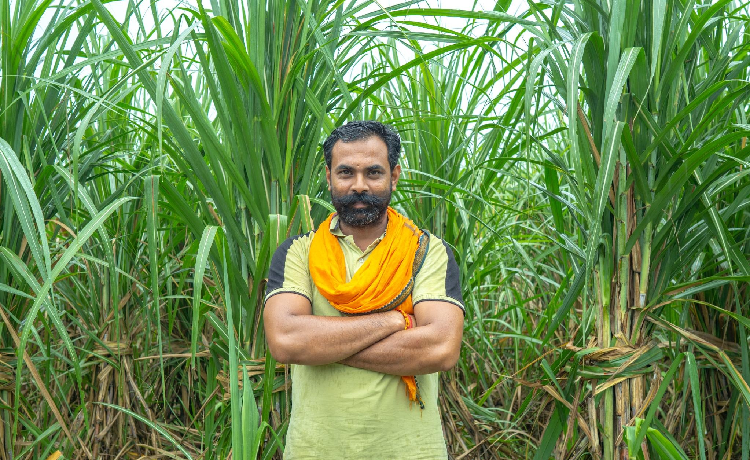
“Farming is often a subsistence business and that's what it was for me! But little did I know that I was burning away cash every time I burnt the stubble from my crop. Once I understood that the waste material could actually be used as a biomass fuel, and earn me additional income, I threw myself into it. I started supplying mustard husk as biomass, and then gradually also provided shredded juliflora as a biomass – employing 15 people for 8months of the year along the way. With the extra money I decided to reinvest it in this biomass business – purchasing machinery to chop the waste material, a new tractor and a two wheeler to speed things up. With the biomass business booming, I started to invest the profits in my general farming business and moved into high yield variety crops and adopted better fertilisers. That business started to grow and with the additional profits I could send my kids to private schools and give them a brighter future. Biomass has turned my life around – along with the lives of everyone around me. And we no longer need to burn stubble in the field – reducing carbon emissions and pollution. It is a win win for everybody.” - Madhuram Jat, Kharadi, Jaitaran, Rajasthan.
November 15, 2022

RELATED POSTS
  • Going Organic
    September 10, 2026
    For years, farming in Haridwar’s sugarcane belt followed a familiar pattern: more chemicals, more fertiliser, and rising cultivation costs. Productivity remained the priority even as soil fertility declined.
  • The Diversification Dividend
    September 10, 2026
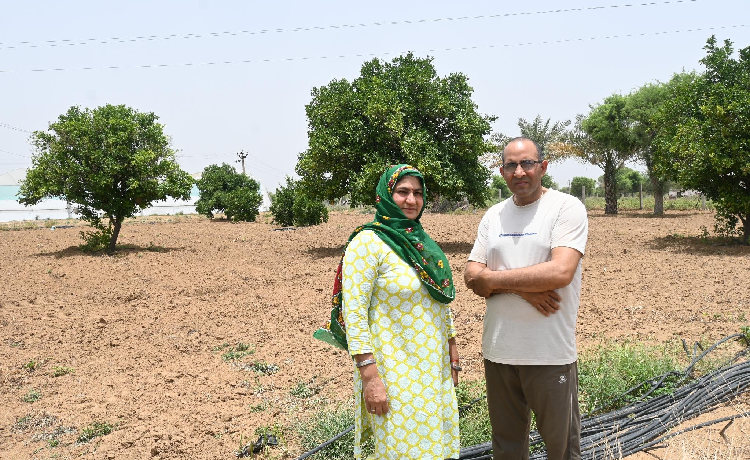
    When you think of farming incomes in India, you think in thousands. Rarely in lakhs. And almost never double digits – Rs. 28 lakh a year is almost unheard of. Yet, on a small patch of land (2.7 ha) in Jhunjhunu, Rajasthan, that is exactly what Suman and her husband have built. Not through a single breakthrough—but through a series of deliberate, well-timed shifts.
  • The Village Climate Reset
    September 10, 2026
    For a village in Gujarat’s rainfed cotton belt, where farming has become increasingly difficult attributed to rising temperatures, water stress, and declining soil health, the sapling forest has become a visible sign of change.
  • Climate Smart Farming: Bridging Science and Farm Practices
    February 24, 2026
    Discover how climate coordinators are preparing farmers for climate-smart farming. Ambuja Foundation is a leading NGO working for the empowerment of rural farmers.
  • The Cotton Queens of Chandrapur
    September 19, 2025
    In the heart of Chandrapur’s Rajura block lies Devada, a quiet farming village where cotton reigns supreme. With 264 of its 298 households cultivating over 2200 acres, agriculture is more than a livelihood—it’s a way of life. But it was defined by outdated practices, limited tools and little access to credit.
An Opportunity to Support
SUBSCRIBE TO OUR NEWSLETTER & BLOGS
Stay updated on the latest insights from Ambuja Foundation.
GET CONNECTED