


November 15, 2022

Quenching Banana Thirst, With Less

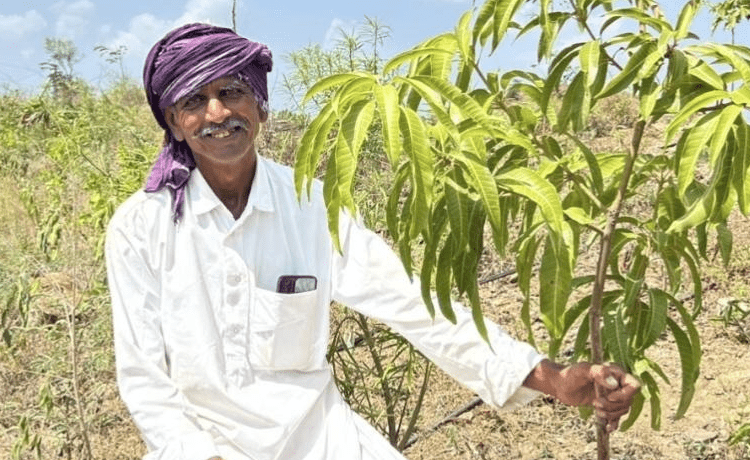
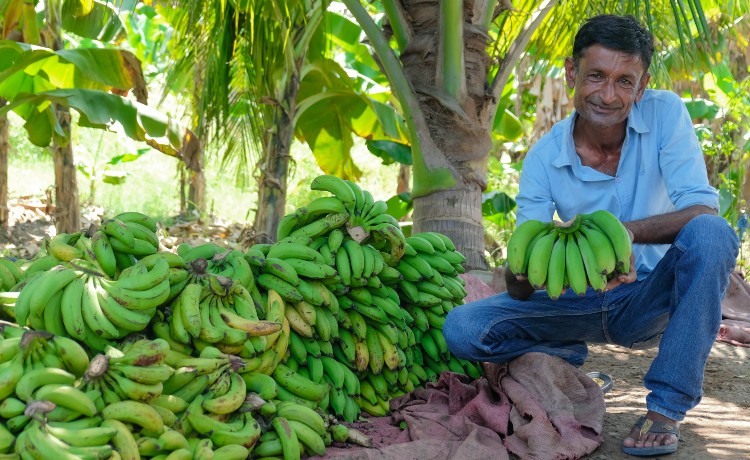
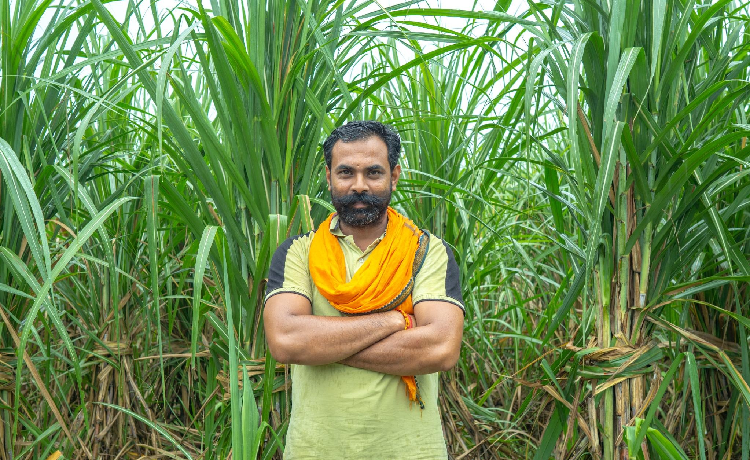
“Bananas are thirsty – drinking almost 50% of water as you grow them! In this water parched area I used to spend Rs.45,000 on electricity for pumping water and on labour – and the bananas were awful!


Perhaps that’s why you would not see a banana tree around here for miles! But I also saw an opportunity – if only I could sort out the water issue. Drip irrigation was the answer, where I could actually use less water, save money and grow more. Today I only spend Rs.15,000 on the crop, get an extra 35% production – and the bananas are tasty! Now all my neighbours are turning to me to help them grow bananas without drinking the well dry.”- Mann Singh, Jagitiya village, Kodinar, Gujarat.
November 15, 2022

RELATED POSTS
  • Going Organic
    September 10, 2026
    For years, farming in Haridwar’s sugarcane belt followed a familiar pattern: more chemicals, more fertiliser, and rising cultivation costs. Productivity remained the priority even as soil fertility declined.
  • The Diversification Dividend
    September 10, 2026
    When you think of farming incomes in India, you think in thousands. Rarely in lakhs. And almost never double digits – Rs. 28 lakh a year is almost unheard of. Yet, on a small patch of land (2.7 ha) in Jhunjhunu, Rajasthan, that is exactly what Suman and her husband have built. Not through a single breakthrough—but through a series of deliberate, well-timed shifts.
  • The Village Climate Reset
    September 10, 2026
    For a village in Gujarat’s rainfed cotton belt, where farming has become increasingly difficult attributed to rising temperatures, water stress, and declining soil health, the sapling forest has become a visible sign of change.
  • Climate Smart Farming: Bridging Science and Farm Practices
    February 24, 2026
    Discover how climate coordinators are preparing farmers for climate-smart farming. Ambuja Foundation is a leading NGO working for the empowerment of rural farmers.
  • The Cotton Queens of Chandrapur
    September 19, 2025
    In the heart of Chandrapur’s Rajura block lies Devada, a quiet farming village where cotton reigns supreme. With 264 of its 298 households cultivating over 2200 acres, agriculture is more than a livelihood—it’s a way of life. But it was defined by outdated practices, limited tools and little access to credit.
An Opportunity to Support
SUBSCRIBE TO OUR NEWSLETTER & BLOGS
Stay updated on the latest insights from Ambuja Foundation.
GET CONNECTED