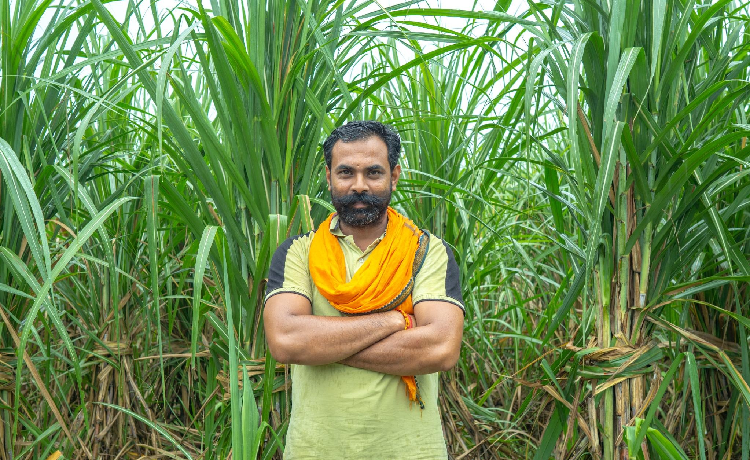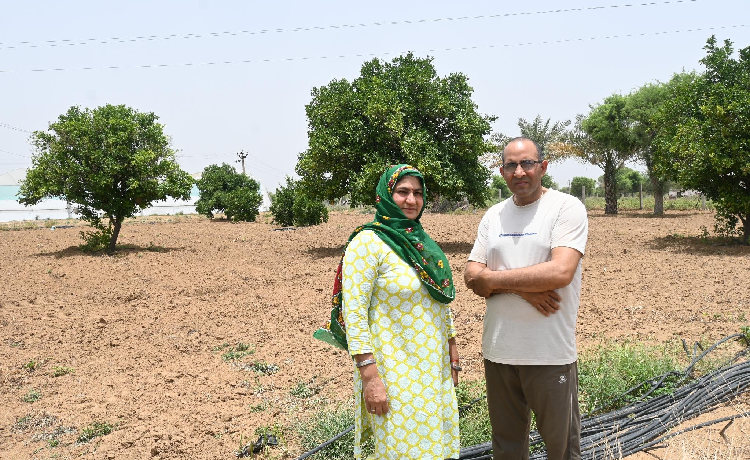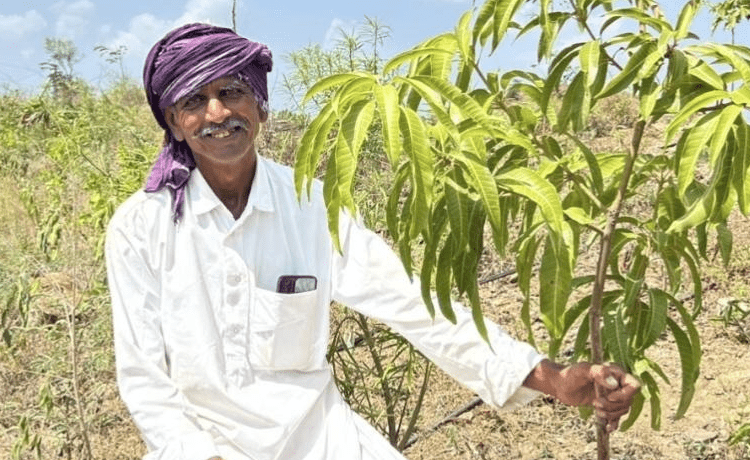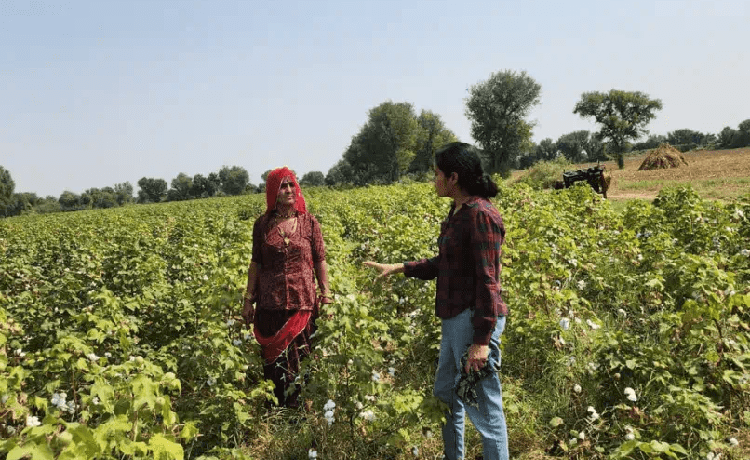



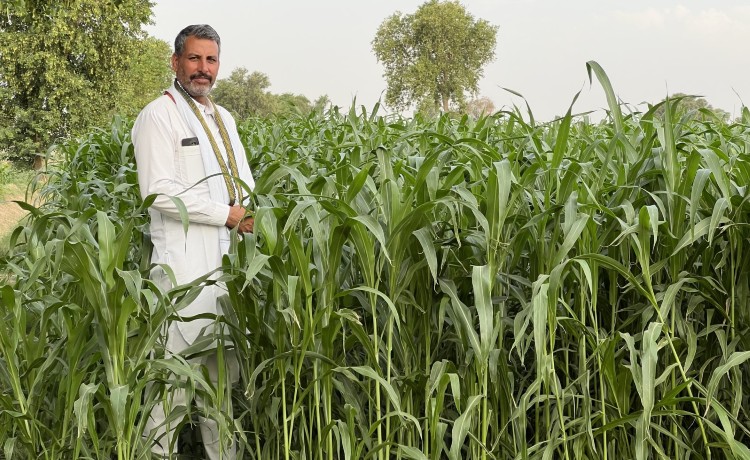
When Hari Singh was just 16 years old, he lost his hand in a fodder chopping machine. It took his parents almost 1.5 hours to reach the nearest hospital on their only vehicle – a tractor! But the gentle Hari is far from bitter about it. Despite his challenges, he has become a passionate advocate of organic farming - dedicating his life to educating farmers about it.
His own farm accident provides a driving force, but he is also spurred on by the death of his uncle, a farmer who died of complications with Thalassemia, which worsened due to the overexposure of chemicals.
Like his forefathers, Hari transitioned into farming after school, and went about growing cotton the only way he knew how – applying chemical pesticides every other day. It was not until he came into contact with Ambuja Foundation in 2019 that his eyes began to open about the harm farmers were doing. Hungry for knowledge he participated in every Ambuja Foundation and KVK training.
First he turned things around on his own farm – planting border crops like Bajra to prevent pest attacks; developing vermicompost for fertiliser; and switching from synthetic chemical pesticides to natural biopesticides he made at home.
However, a fire was lit in his belly to educate others. He became a Field Facilitator and works with 337 farmers and 130 farm workers across 3 villages. He was even recognised with a Government Award for ‘Progressive Animal Husbandry’.
He is an advocate for biodiversity in farming, and you’ll find tiny bird boxes hanging from trees across his farm, as he nurtures birds who help keep crop pests at bay.
“As farmers we wield incredible power – in managing our environmental footprint, in growing food for the country, and in protecting our health – but only if we are empowered with the right knowledge!” he said.