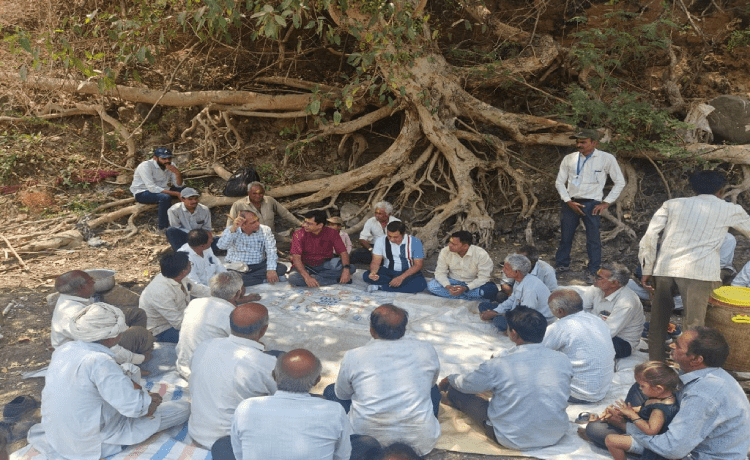
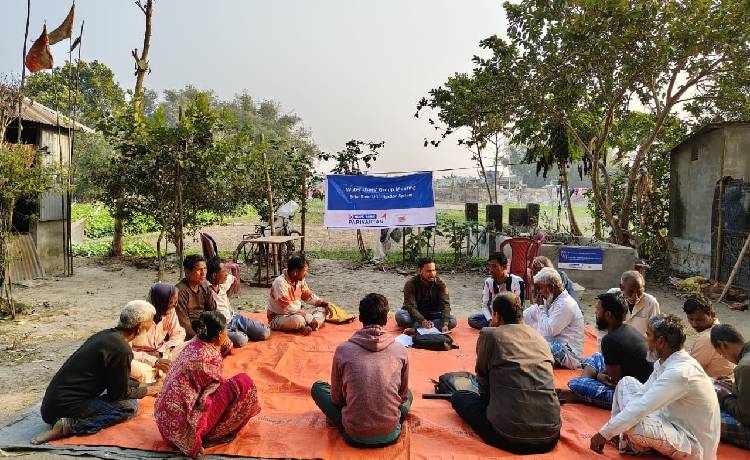
Cooch Behar district, a remote corner of West Bengal, close to the Bangladesh border, Ambuja Foundation in partnership with HDFC Bank Parivartan is working with rural communities of Haldibari to strengthen water security, improve agricultural livelihoods and create new economic opportunities amid multiple vulnerabilities. Few NGOs have ventured into this challenging terrain, where limited exposure to development initiatives makes building community trust a significant hurdle. Yet it is often in places where support is scarcest that the need is greatest.
For Sourav Das, a Project Officer at Ambuja Foundation, working in challenging environments is familiar territory. But in Cooch Behar, he has one important advantage: he knows the place and its people. During a two-year fellowship Sourav worked in Bihar, where differences in language and culture made building relationships challenging. The experience equipped him with leadership skills and taught him to navigate unfamiliar environments. Now, as a Mobiliser, he is back on familiar ground, where a shared language and cultural understanding help him connect with communities.
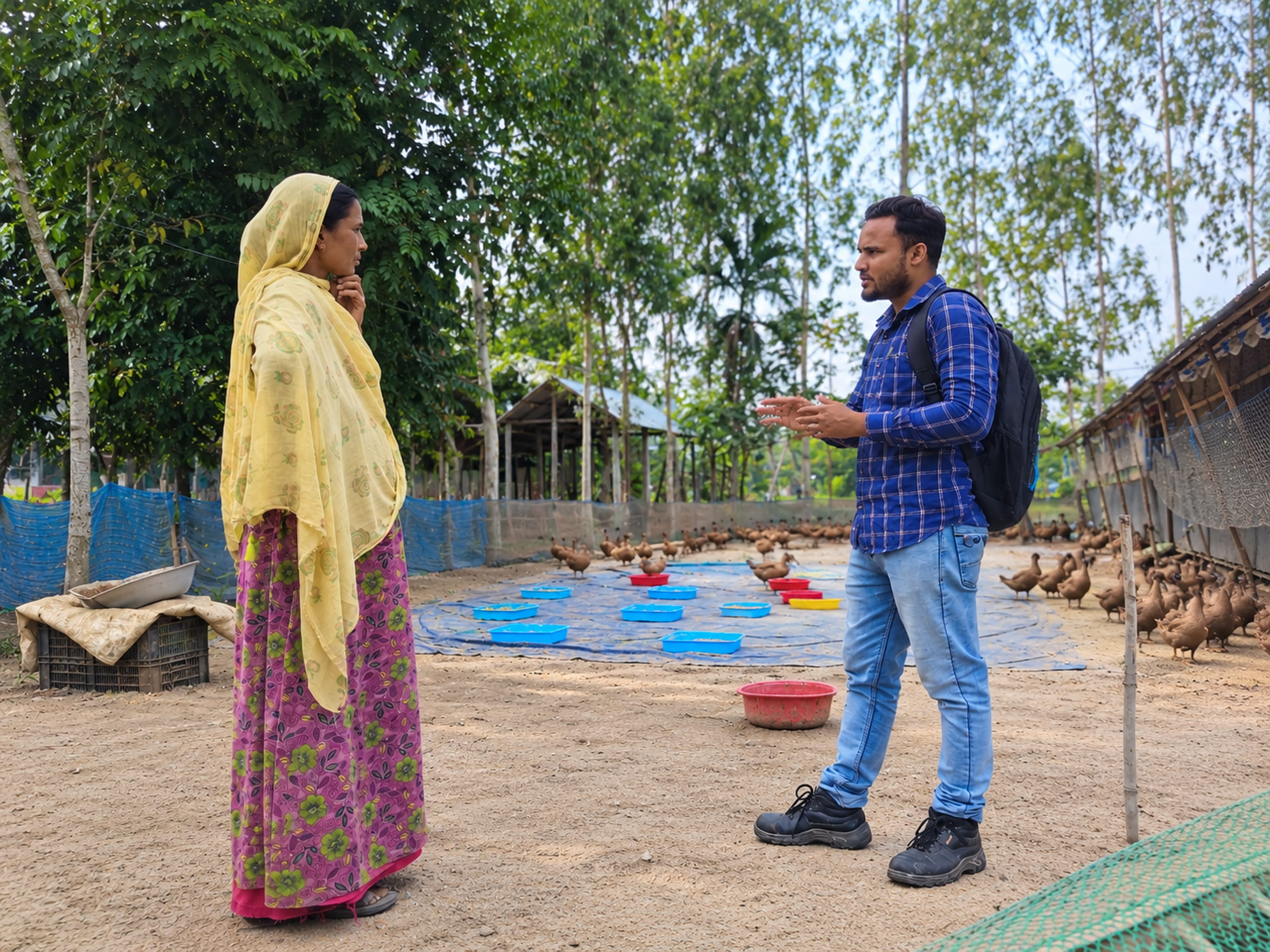
Yet even home has its challenges. When Ambuja Foundation arrived in Cooch Behar, trust was far from guaranteed. Communities with little experience of NGOs were unsure of the team's intentions. Before it could begin addressing the challenges facing local farmers, the team had to overcome suspicion, build relationships and demonstrate that it had come to support them.
It all began in July 2025, when a four-year rural development project was launched. Informed by a baseline assessment across more than 30 villages, the programme focuses on strengthening water resource management and agricultural livelihoods. Turning those findings into meaningful change would require more than technical expertise; it meant understanding local realities, listening to communities and building the confidence to work together.
First, the work of building trust
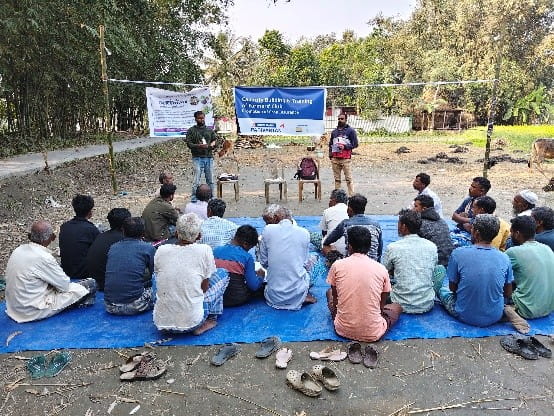
For communities, an unfamiliar organisation asking questions and collecting documents can understandably raised concerns. Some residents were initially suspicious of the team's intentions, unsure why it was there or what it hoped to achieve. The team had to spend time explaining the programme, listening to people's concerns and demonstrating that it had come to support them.
There were no shortcuts. Trust had to be built through repeated conversations, a willingness to listen and the steady demonstration that the Foundation intended to follow through on its commitments. For Sourav and his colleagues, this meant recognising that progress would take time, and that establishing relationships was as important as introducing interventions.
The need, meanwhile, was tangible. Agriculture sustains much of the local economy, but farmers face challenges ranging from unreliable irrigation and limited access to technical support to the difficulty of securing good prices for their produce and political tensions. In some villages, solar irrigation pumps installed through government initiatives were no longer functioning effectively, leaving farmers unable to make full use of infrastructure intended to support them.
Small steps, shared progress
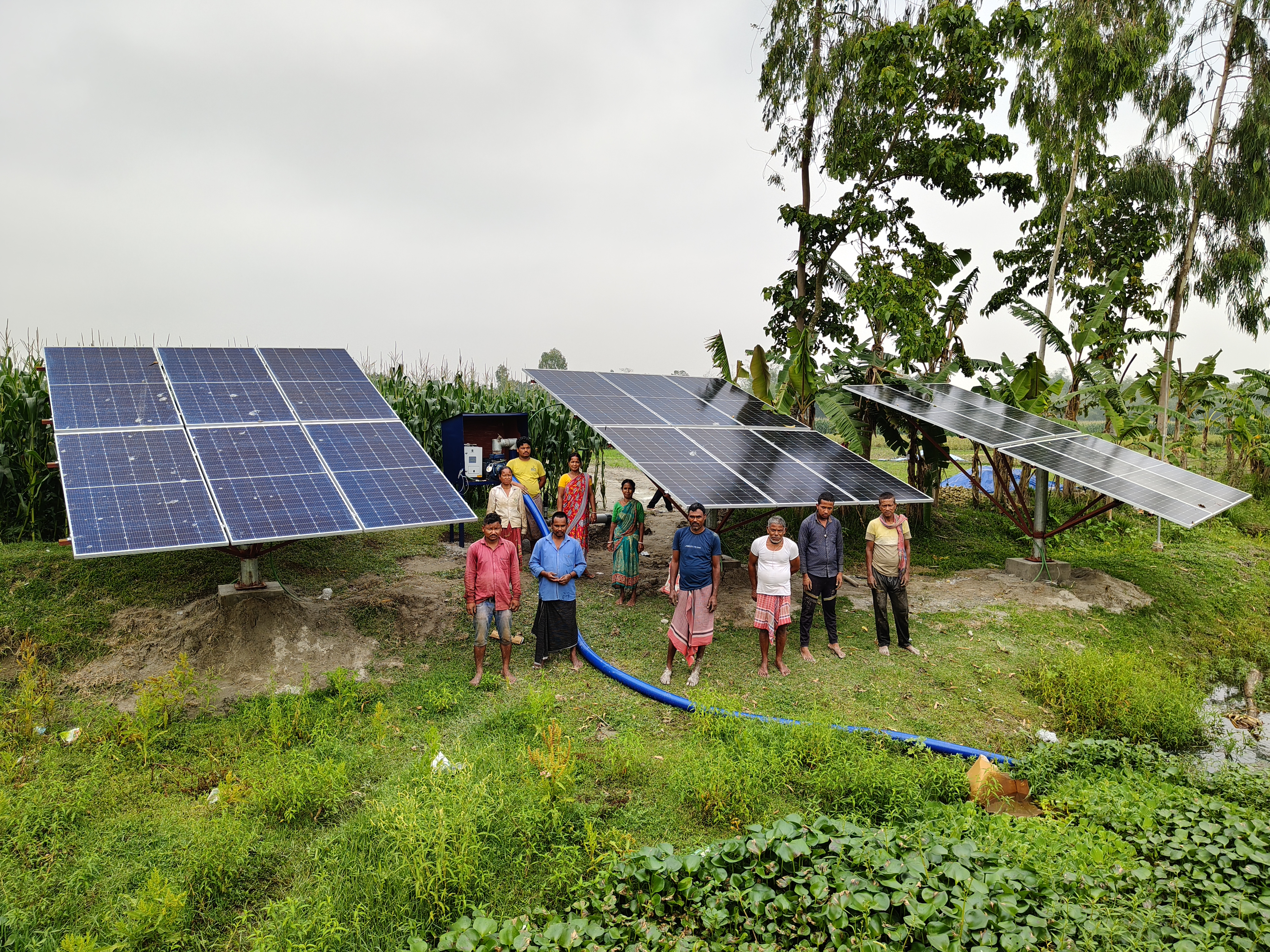
Ambuja Foundation began by mobilising farmers into groups around irrigation systems, enabling them to coordinate access and take collective responsibility for maintenance. Farmers contribute Rs.50 per hour of pump use towards upkeep, creating a shared mechanism to keep the systems running.
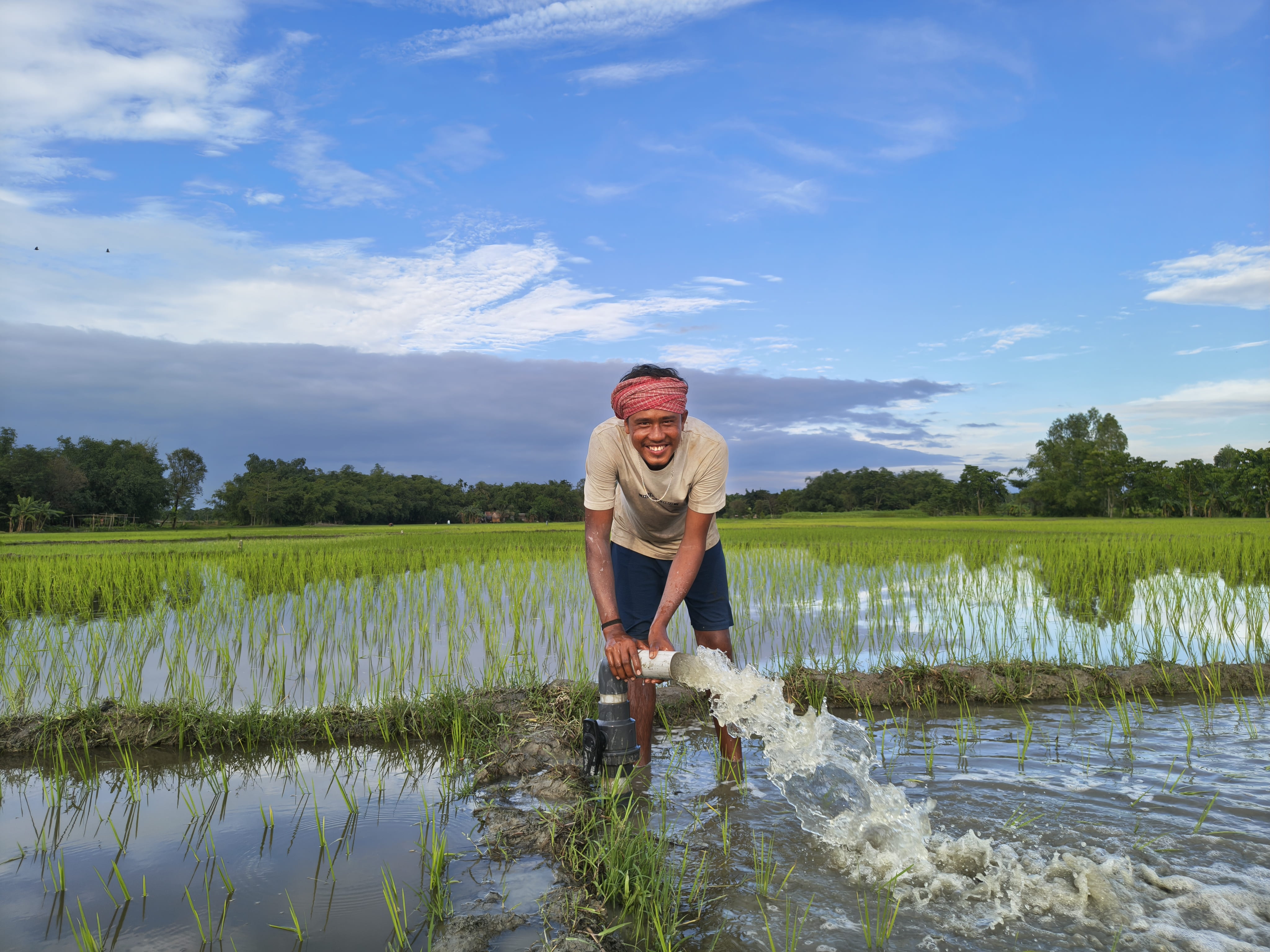
Beyond restoring access to irrigation, the approach helps farmers develop the capacity to manage shared resources and sustain their benefits over time.
Twelve months into the project, this groundwork is translating into tangible progress. 36 solar irrigation systems have been installed across 17 villages, bringing 144 acres under irrigation and directly benefiting 387 farmers. 15 polyhouses have been established, while 2 Custom Hiring Centres are making agricultural machinery more accessible and helping reduce cultivation costs. For 25 women, newly established goat sheds are creating a foundation for stronger livestock-based livelihoods.
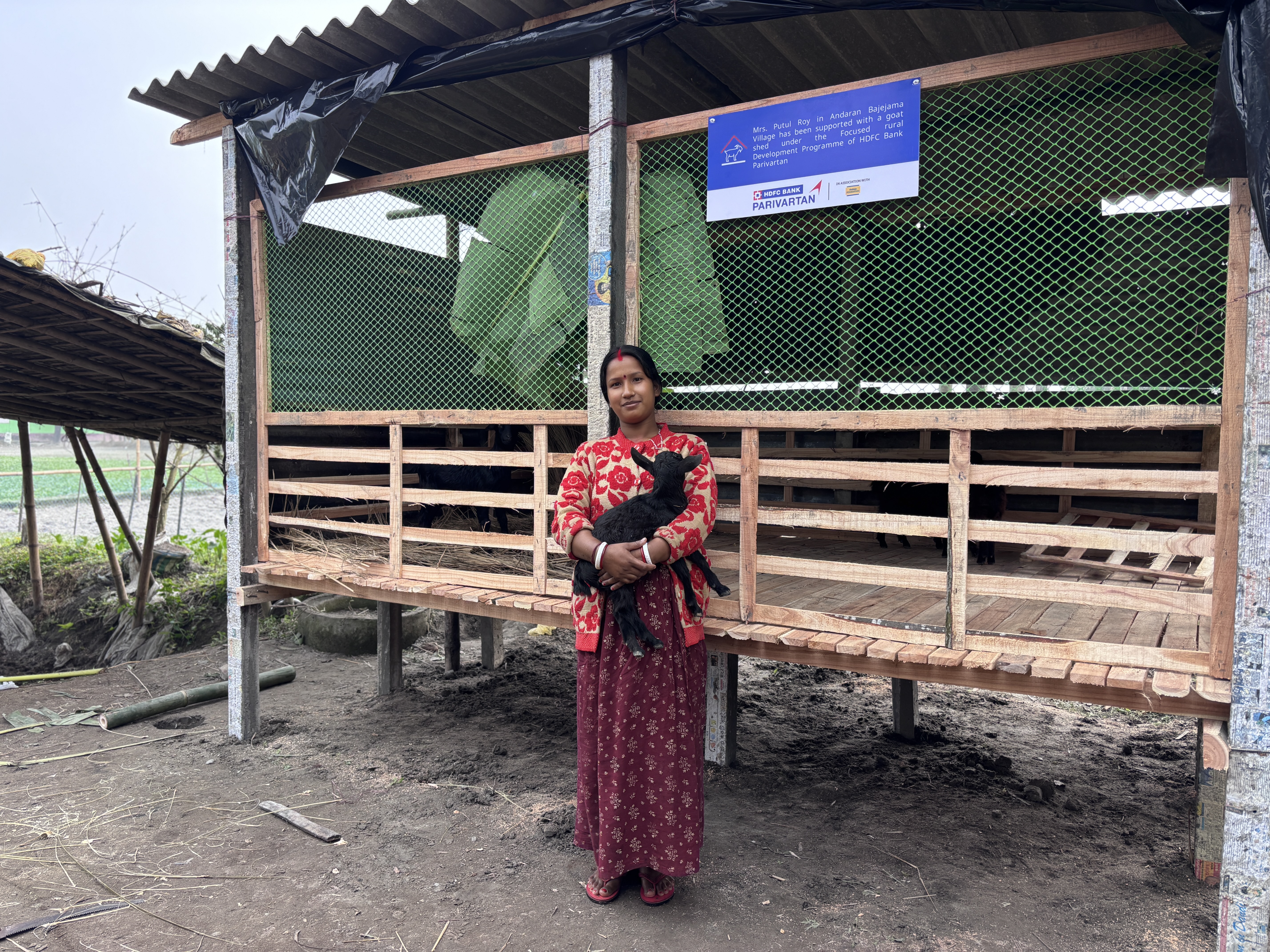
These are early steps, but each represents an opportunity for communities to build on existing resources, work together and strengthen their livelihoods.
Looking beyond the harvest
For farming families here, the challenge does not end with the harvest. Finding buyers, securing a fair price and deciding when to sell can be as important as growing the crop. Without adequate storage or processing facilities, farmers have limited options for capturing its full value.
Ambuja Foundation is exploring opportunities for small-scale cold storage and food processing. Storing produce for longer or processing potatoes into chips and tomatoes into ketchup could open new avenues for rural enterprise, helping farmers generate more value from what they grow.
Goat rearing offers another opportunity, particularly for women. Although common among households in the region, it often relies on traditional knowledge, with limited access to guidance on breeding, animal health and hygiene. The programme is supporting improved goat sheds and exploring training with local veterinary services to help women develop this activity into a more organised and productive source of income.
A small team, a determined beginning
Behind these interventions is a small team bringing together expertise in water, agriculture, rural development and community mobilisation. Building local community mobilisers are central to the effort, connecting programme plans with the language, culture and everyday realities of village life.
But recruiting and retaining staff in such a remote location has proved difficult, with some team members moving on. Establishing a programme from the ground up requires not only technical expertise but also patience, adaptability and a willingness to work through uncertainty.
Sourav's experience in Bihar prepared him to navigate challenging environments; his familiarity with Cooch Behar now helps him build connections more naturally. His experience also illustrates the value of combining professional expertise with local understanding when establishing a programme in a new area.
Despite the challenges, significant progress has been made. The programme now covers 46 villages across six gram panchayats, with 30 villages identified for coverage in the 2026–27 financial year. While much remains to be done, the foundations are being laid: irrigation systems are being brought into use, farmers are organising around shared resources, and new livelihood opportunities are beginning to take shape.
Staying the course
In places where development organisations have had a limited presence, the barriers to progress can be considerable. Infrastructure may be difficult to establish and maintain, communities may be unfamiliar with the support available to them, and building a stable local team can take time. Yet these are also the places where sustained engagement can make a meaningful difference.
For Ambuja Foundation, the work in Cooch Behar is still at an early stage. Its promise lies in bringing together better access to water, stronger agricultural practices, more resilient, diversified livelihoods and community groups equipped to manage their resources.
For Sourav and his colleagues, progress will be built one relationship, one farmer group and one intervention at a time. The work may be demanding, and change will not come overnight. But in a place where the need is considerable and development support has been limited, simply showing up is the beginning. Staying, listening and working alongside communities is what can turn that beginning into lasting change.