


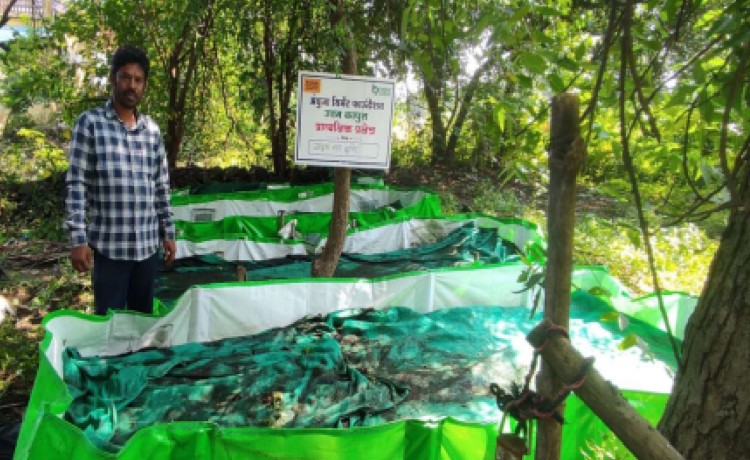
Worms & Farm Waste, and the art of vermicomposting, are providing farmers with more sustainable and environmentally friendly methods of fertilizing fields, whilst simultaneously helping them build viable businesses to diversify and bolster incomes.
To propagate vermicomposting among farmers, and address potential challenges, Ambuja Foundation implemented specialized training programs focusing on advanced vermicomposting techniques which is a 45 day cycle and the intricacies of worm cultivation.

Facilitating a comprehensive awareness program in Nagpur district of , Maharashtra , Ambuja Foundation meticulously selected 17 villages from two blocks i.e Kamleshwar & Hingna of Nagpur District for streamlined implementation. The aim was to not only to instill technical knowledge, but also foster an entrepreneurial mindset among farmers – to harness the business opportunities available in vermicomposting.
The program, which identified and developed the skills of 59 vermicomposting entrepreneurs, provided essential support and training in packaging and marketing, equipping farmers with the necessary skills to promote and sell their vermicompost products, such as Vermi compost, earth worms and vermiwash – helping farmers to create a distinct brand identity for their offerings.

Vermicompost: A Sustainable Alternative to Synthetic Fertilisers
The training provided a crucial boost for vermicompost agro-entrepreneurs in the heart of rural India as cultivating crops is a balancing act! "The soil gets exhausted if we put too much fertiliser in it," said a few attendees.
Farmers gained this knowledge on vermicomposting after years and years of experience. And science agrees - a case study from the Hooghly region of India expressly proves that there is no direct correlation between the amount of fertiliser applied and the crop yield. The rate of yield drops off after a point, showing how important it is that crops receive the necessary inputs in the right amounts and at the right time.
However, not every farmer across India is aware of this fact. India loses 5,334 million tonnes of soil every year due to soil erosion because of indiscreet & over-use of fertilisers & pesticides. For a country as dependent on agriculture as ours is, this is a critically worrying issue.
However, now, the scenario is shifting towards more sustainable and eco-friendly practices, with a renewed focus on the holistic well-being of the agricultural ecosystem. Here, vermicomposting is emerging as a key solution and business opportunity.

The Economic Benefits of Vermicomposting
But vermicomposting isn't merely a sustainable practice; it's a gateway to boosting incomes for farmers - reducing input costs and minimizing chemical fertilizer usage. With its role in soil enrichment and organic carbon enhancement , vermicompost has significantly enhanced the performance of soil, crops and yields.
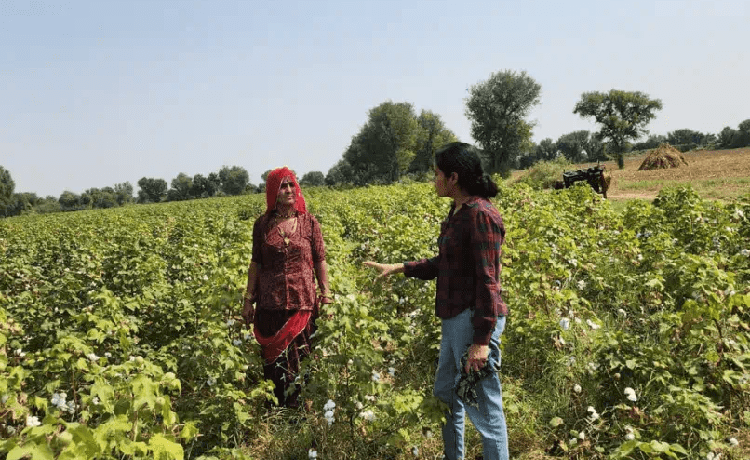
When Suparn Daulatrao a cotton farmer tried vermicomposting, he created 7 quintals of it, applied to his crop which gave good results and also reduced costs on chemical fertilizers usage. He went on to purchase 8 more vermicompost bed and 4 bed for flat vermicomposting.
Farmers, reported a 50 - 60% reduction in fertilizer costs and a 1-2 quintal increase in cotton crop yield after integrating vermicompost into their farming practices. Additionally, vermicomposting utilizes organic resources like cow dung, weed, and tree waste to create high-quality compost, ensuring efficient waste management and sustainable agriculture.
It is for these reasons that the collaborative efforts of the Maharashtra State Livelihood Mission and Entrepreneurship Development have propelled the vermicomposting revolution, with farmers diversifying into other agri-aligned businesses such as vermiculture.
Moreover, farmers have been able to contribute significantly to waste management by efficiently utilizing farm and organic waste through the vermicomposting process.

Scaling Vermicomposting
The increasing demand for vermicompost, coupled with the exploration of export opportunities, paints a hopeful picture for farmers in India. However, scaling vermicomposting entrepreneurship demands adequate manpower and additional support and resources.
As vermicomposting continues to gain momentum as a viable entrepreneurial opportunity, the focus remains on building robust networks and knowledge-sharing platforms to further bolster the capacity and efficiency of farmers in this space.
The development of specialized training modules, workshops, and skill development programs will play a pivotal role in nurturing the next generation of vermicomposting entrepreneurs – and here Ambuja Foundation aims to play a key role for the future.