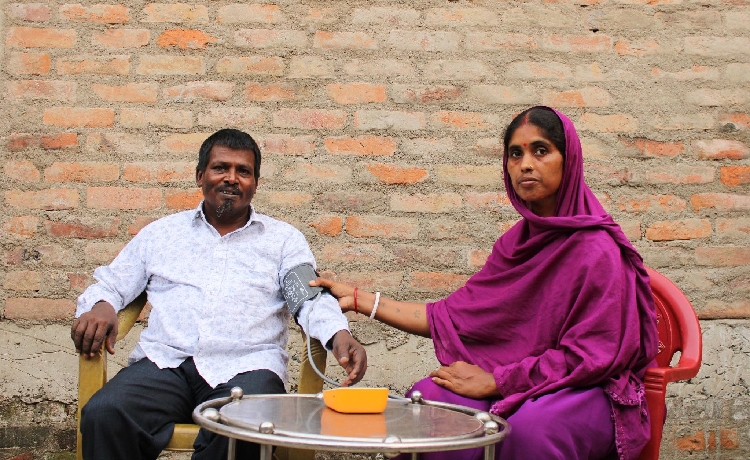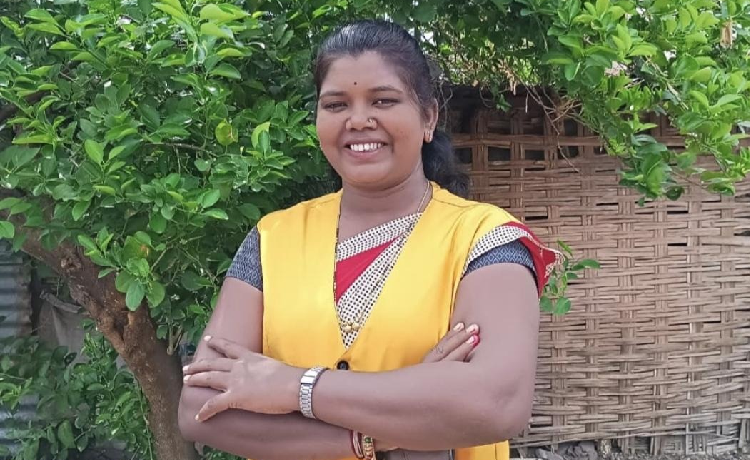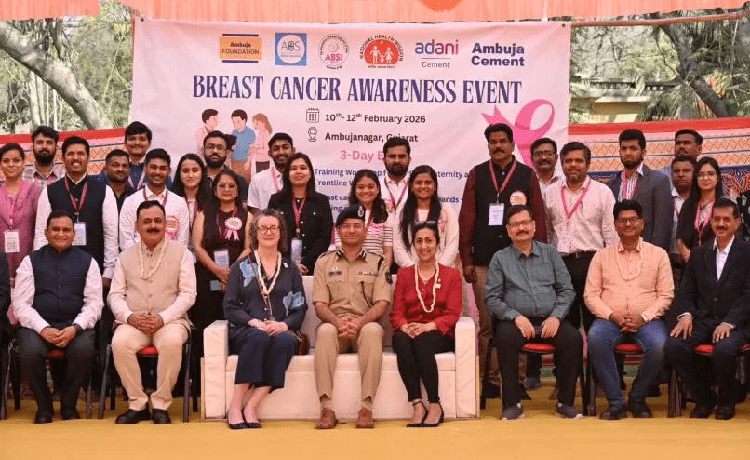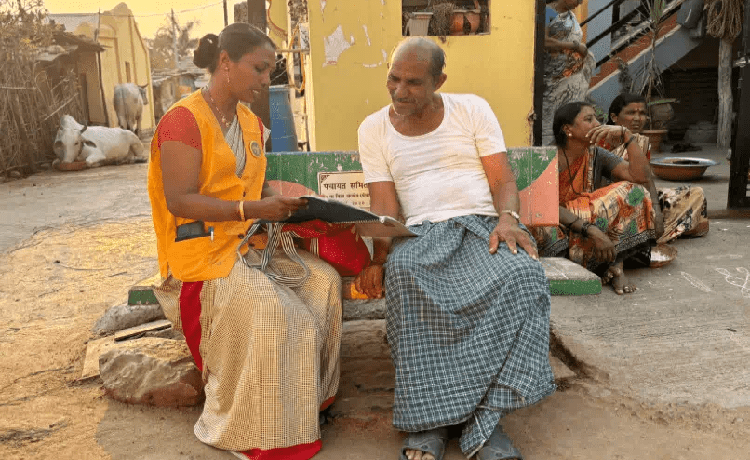



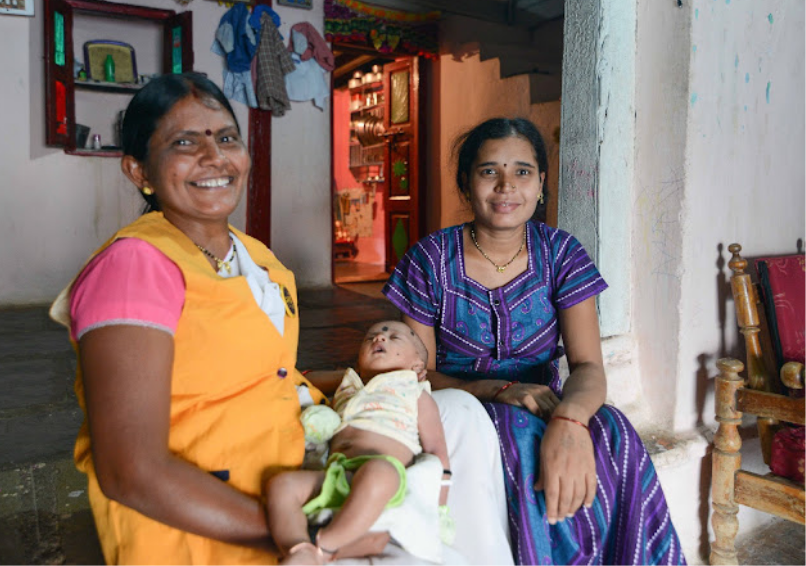
Rakhi Singha is an Accredited Social Health Activist (ASHA) worker. Selected through an SHG (Self Help Group) & trained by Ambuja Foundation, Rakhi earlier worked as an Ambuja Foundation Sakhi. She now supports government maternal health programs and plays a pivotal role in keeping the villages of Farakka in West Bengal healthy. Frontline workers like Rakhi have been instrumental in providing last-mile health access to the 66% of India’s population living in villages. Especially as COVID-19 runs rampant, their importance is clearer than ever—they ensure rural areas remain safe & healthcare needs are met.
Health & Prosperity - A Symbiotic Relationship
The link between health & prosperity has been proven by several commissions, including the WHO Commission on Macroeconomics and Health (2001), which found:
- Disease lowers healthy life expectancy & productivity. Limited access to healthcare and expensive alternatives reduce economic well-being, and the overall impact on national income due to shortened life expectancy & chronic disabilities is huge.
- Societies with high infant and child mortality often have more children to offset potential losses, increasing the burden of healthcare & education, and pushing families deeper into poverty.
- Investment and business growth suffer when workers face illness & poor health.
The WHO estimates that a 10-year increase in average life expectancy can boost economic growth by 0.3–0.4% annually.
India is now the fifth largest economy, achieving consistent 6–7% growth over the past decade. Yet for this growth to last, citizens' health must improve. According to the Human Development Index, India ranks 129 out of 182 countries—a sign that more investment in health is needed.
Enabling Access to Healthcare
Access is key. Although 66% of India's population lives rurally, only 40% of the 2 million healthcare professionals serve these areas. Better access to preventive and curative services also raises awareness, leading to community-driven health initiatives like open defecation free villages and clean drinking water projects.
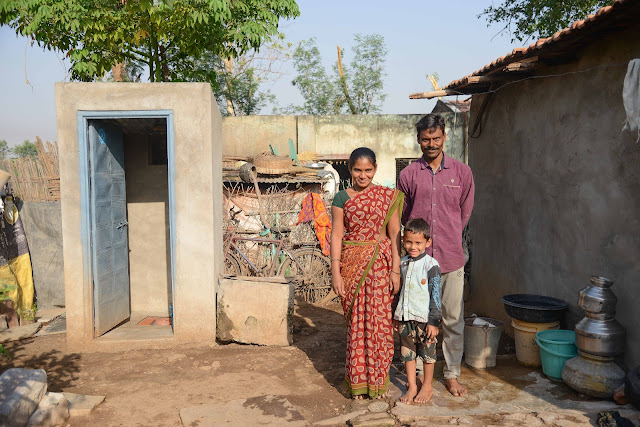
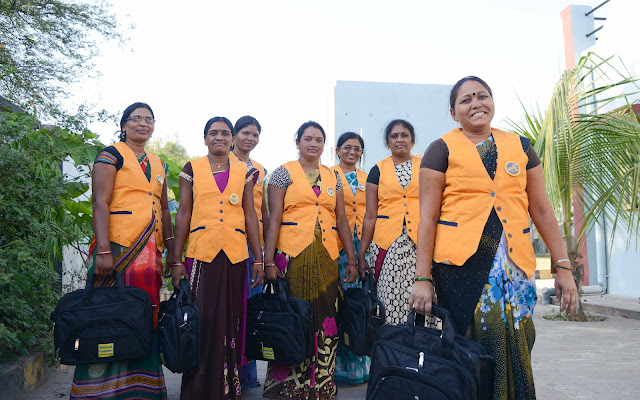
Rakhi and over 350 other Sakhis trained by Ambuja Foundation bridge healthcare gaps by supporting maternal, child & adolescent health in villages. Even during the pandemic, Sakhis helped organize Village Health & Nutrition Days, spread COVID-19 awareness through audio/video messages, distributed masks and sanitizers, while ensuring routine healthcare services continued.
Being local, these women build trust, acting as health ambassadors to reduce taboos about modern healthcare. They support screenings, counseling, and affordable treatment, and mobilize communities for clinics and specialty camps to improve sanitation, hygiene, and reduce smoking.
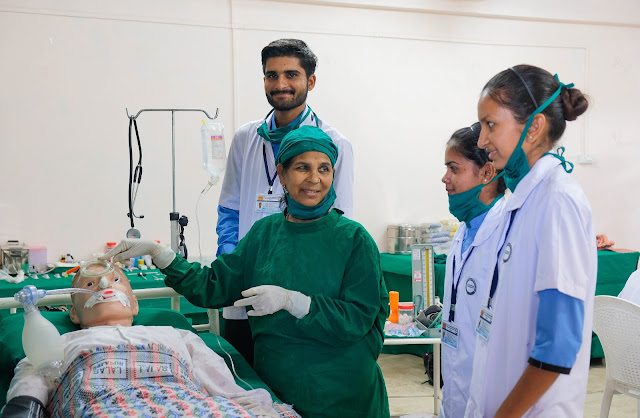
Ambuja Foundation also trains rural youth through SEDI nursing schools. Over 3380 General Duty Nursing Assistants—2728 women and 655 men—have graduated and are now employed, many on the frontlines against COVID-19.
Health is Wealth
As seen in countries like South Korea, China, Malaysia & Thailand, economic growth follows improvements in health indicators. For India, better access to healthcare can help lift communities from poverty into shared prosperity.