


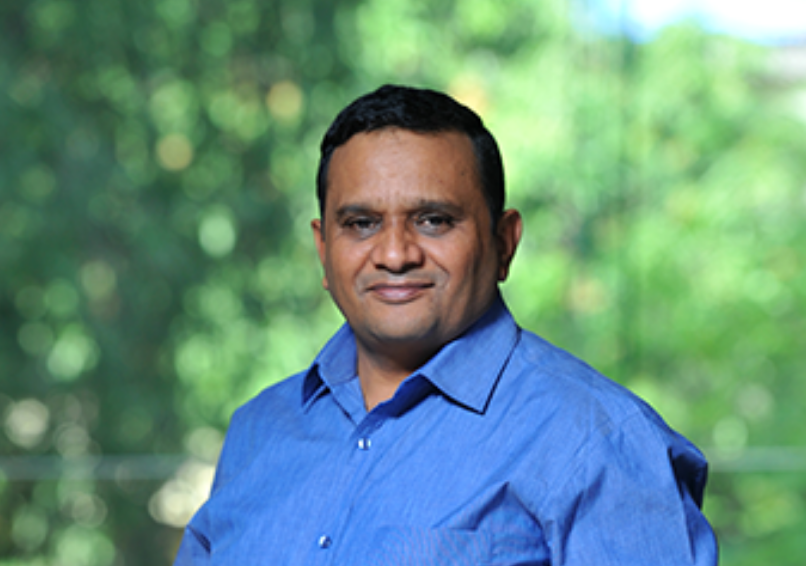
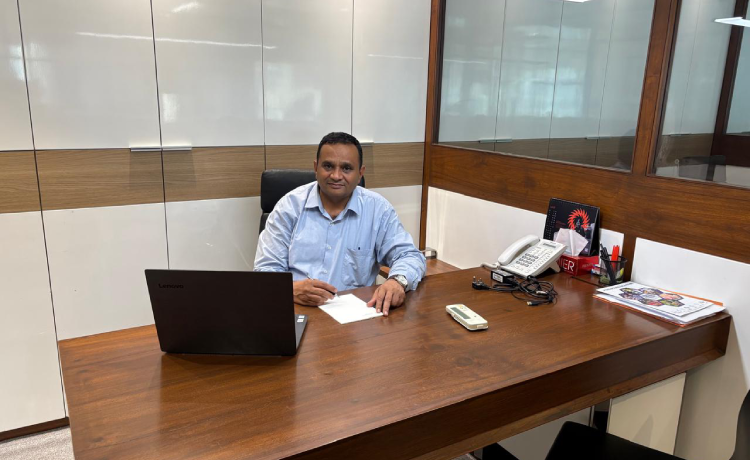
Chandrakant Kumbhani - GM-Community Development at Ambuja Foundation is a seasoned professional in Rural Development with more than 20 years of experience under his belt. At Ambuja Foundation, Chandrakant oversees community development programs for water resource management, women, agriculture, health, & education across all locations. Thrive caught up with Chandrakant to understand the nuances of 'enabling people' to enable prosperity.
Thrive: Enabling people & communities seems to run in the DNA of Ambuja Foundation's approach towards rural development. Is that an outcome of Ambuja Foundation's years of experience with rural communities?
Chandrakant: Enabling communities is a long-term process & requires a lot of patience. You need to be with the community to understand their needs & build apt interventions. Through its multifarious programs, Ambuja Foundation has always focused on enabling people to strengthen livelihoods & enable prosperity. This understanding has existed since the beginning. We have always known that enabling people is the key to them achieving prosperity.
Thrive: What do you think is the fundamental difference in enabling people versus doing work for them?
Chandrakant: Doing is a very tactical, top-down approach driven by demand. For example, if a region has a water issue, I might just build a check dam and consider the work done. But 'enabling people' means involving the community at every step — understanding their water needs, exploring potential solutions, assessing technical feasibility, planning, and implementation. The community owns and manages the project both before and after it is built. In short, it's about the organisation participating in a people's program, rather than people participating in the organisation's program. This ensures sustainability, ownership, and long-term impact.
Thrive: What approach does Ambuja Foundation use to enable a community?
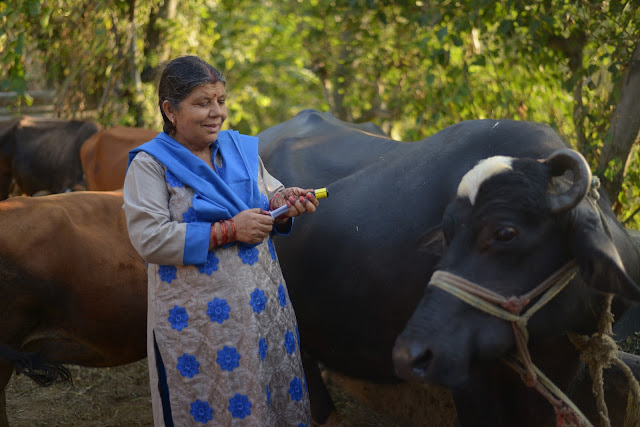
Chandrakant: We always begin by building people's institutions to ensure sustainability from the start. It's a bottom-up process: we first identify challenges from the community’s perspective, then bring in science and technology solutions that make sense locally. For example, instead of just distributing new crop seeds, we first understand farmers’ current practices, identify gaps, and then provide training and demonstrations. This helps farmers adopt better practices that lead to improved yields and income. The focus is always on long-term sustainability, not just short-term subsidies. Importantly, many interventions are led by people from within the community itself — like rural women 'Sakhis' in the health program or Pashu Swasthya Sevikas in veterinary health — who act as critical links between Ambuja Foundation and the community.
Thrive: What are the challenges that you face in the context of enabling communities?
Chandrakant: Ambuja Foundation always works with a long-term perspective. Wherever we are present, we have broadly worked for 10–15 years, so trust is inherent in any intervention we bring to the community. Our biggest challenge is changing the community’s expectations. People are used to freebies and subsidies, so the mindset is deeply embedded that the organisation should bear most of the costs.
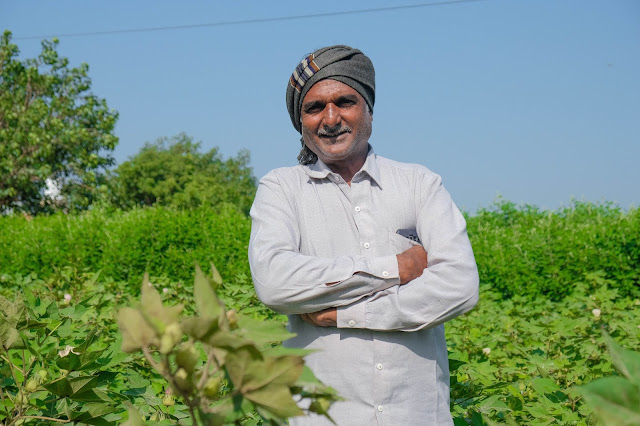
We also work in resource-poor geographies, which means the community faces many challenges initially, and designing a holistic intervention takes time. For example, with the Better Cotton Initiative, it took us 4 years to reach 10,000 farmers across 4 locations, but then in the next 5 years, we scaled to 170,000 farmers. The key is ensuring people can see and understand the benefits of enablement — once that happens, they do what is beneficial, and scale follows.
Thrive: What is the typical time frame that it takes to enable communities in the context of an area of intervention?
Chandrakant: Based on my experience, any developmental program should plan for at least 8–10 years. Also, issues keep changing over time. For instance, in Chandrapur, Maharashtra, we started with 'Mother & Child health' almost 20 years ago, which was a need then. Today, rising Non-Communicable Diseases (NCDs) make us shift focus accordingly. In Kodinar, Gujarat, we initially worked daily to motivate women to form Self Help Groups; now, a women’s federation leads this work, with our support and training. The nature of engagement keeps evolving with the community’s needs.
Thrive: How does Ambuja Foundation look at funding interventions in the context of 'Enabling People'?
Chandrakant: Both Ambuja Foundation and the community co-invest in interventions. If there’s an opportunity, we also approach partners: government and allied bodies, CSR organisations, national and international funding agencies. Since we know the project opportunities in each location, we can approach partners with specific proposals. Our implementation expertise, combined with partner investments, helps scale interventions. This collaborative model has been part of Ambuja Foundation since the early nineties, when we did many joint initiatives with government bodies.
Thrive: Can you cite two shining examples of Ambuja Foundation’s work in enabling people?
Chandrakant: One example is our work in Kodinar, Gujarat: from drinking water and groundwater recharge using dams, to improving water-use efficiency through micro-irrigation. This intervention reached over 225,000 people, bringing prosperity and sustainable livelihoods.
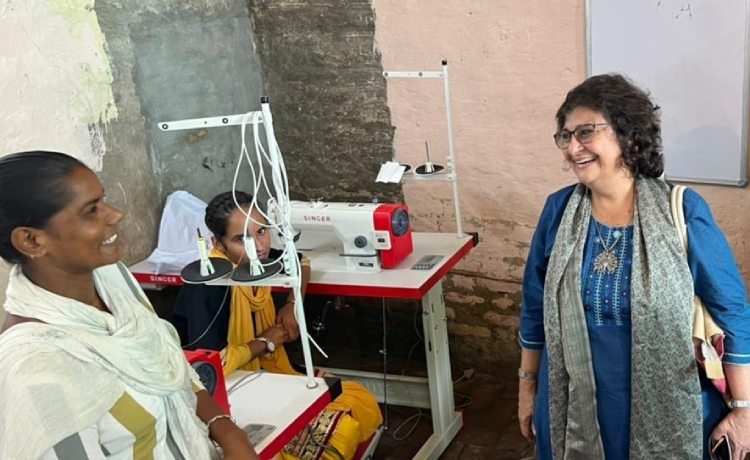
Another example is our skilling centres (SEDI). Across 33 locations, each SEDI offers 42 National Skill Development Corporation certified courses in 8 locally relevant sectors like welding, nursing, retail, banking and BPO. Courses of 3–6 months equip rural youth with hard and soft skills, and our placement teams help them find employment.
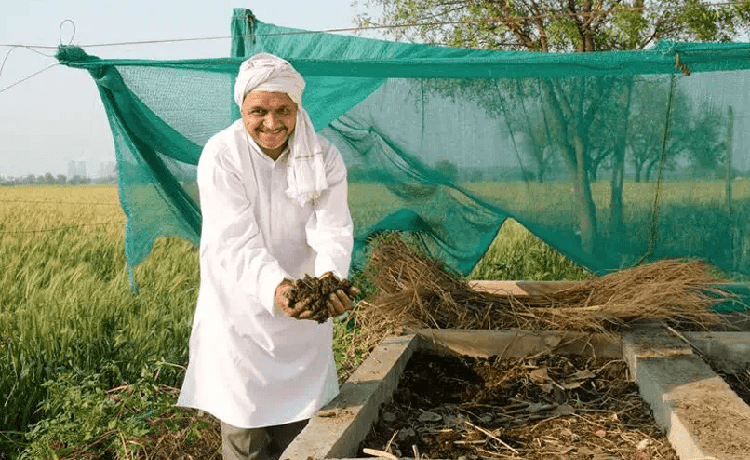
Finally, our partnership with the Better Cotton Initiative helps smallholder farmers be more prosperous and keep cotton farming sustainable. Training, outreach, exposure, and demonstration are key. By equipping farmers with knowledge about BCI principles, we help them implement better cultivation practices — benefiting them, the environment, and the cotton sector overall.
.png)