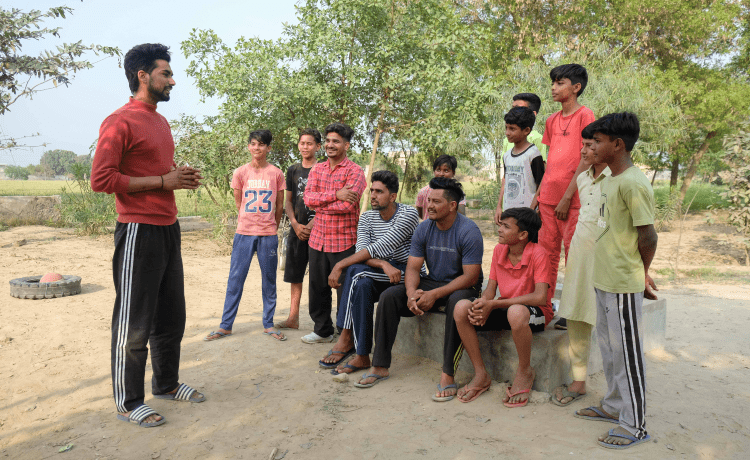



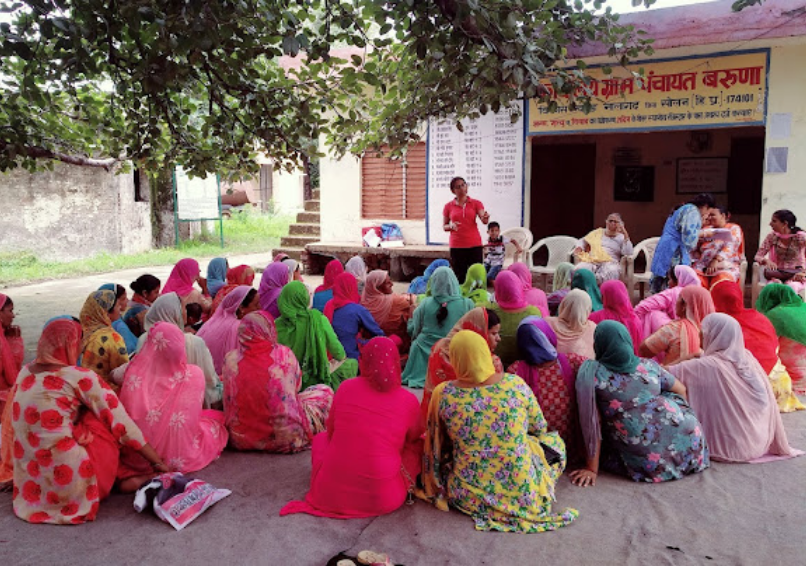
Knowing what to do in Community mobilization is important, but it is equally important to know what NOT to do. Here, our community mobilization experts outline some common mistakes that organizations make in mobilizing communities:
- Adopting a superior air and approach - Many times, someone comes from the outside 'thinking' they know it all and behave with authority. There is no surer and faster way of destroying relationships with the community and having them pit against you, than taking this approach. Similarly, adopting a bad and superior attitude, with a lot of pride, portraying that you have a lot of money. This is a sure-fire way to lose the confidence and trust of the community. There is a need to put ego's aside, work alongside the people, with the people, and support them in driving the identification of community issues and solutions.
- Making promises and not fulfilling them - Time and again, we have seen outsiders come into the community and make promises - promises that go unfulfilled. When people come espousing big ideas but not following through, villagers will lose confidence in you and will not participate. The better approach is to start small, go for small wins and small, low hanging fruit, so that the community gains trust, builds confidence and sets their sights higher.
- Not taking the time to understand a community - Many development organizations enter a community and commence work without taking the time to understand the community, get to know it, connect with the people who live there. This is an important step in building trust, rapport and relationship, which is so important when undertaking community mobilization and engagement.
- Taking a short-term approach - Many organizations enter a community, focus on one or two projects, and once completed, they withdraw. This does little to help the community in the long term and it is important to connect and engage with a community in the long term. You have to connect with them right from sitting with them to standing by them in times of need.
- Putting aside agendas - As mobilisers trying to gain people's participation, it is important to put our own agenda's aside. It is important to focus on their needs and not our needs. There won't be any long-term impact if we focus on our own needs and ignore the pressing needs of the local community.
- Making decisions without gaining buy-in - Research and experience have demonstrated time and again that any kind of change or critical decision-making process is more likely to succeed with support. But what isn't so widely understood is that having input into a decision often helps to generate support - even when the final decision isn't the one chosen by your stakeholders. It is therefore important to gain the buy-in of the people and making decisions for and on their behalf prior to this, is a big no, no.
- Looking at the issue through your eyes - This is a common mistake that can easily occur at the onset of an engagement process, with even the best intentions in mind. Each of us as human beings, are hard-wired to view things through our own eyes, and as a result, even good leaders can sometimes make the wrong assumptions about how a decision will impact their stakeholders; based on their own unique lens of the world and what they believe to be true. Therefore, tools like stakeholder mapping - the process of identifying and categorizing all your unique stakeholder groups - is a proven method that helps draw out the many perspectives of an issue, problem or even a solution.
- Allowing a vocal few to dominate - One of the many roles of a facilitator is ensuring tha


.png)