


Name: Meghna Thakor & Krishnaben Parmar
Title: Two-Wheeler Mechanics
Location: Ahmedabad & Gandhinagar, Gujarat
When Ambuja Foundation’s Skill & Entrepreneurship Development Institute (SEDI) in Gandhinagar, supported by SKF India, introduced women into its two-wheeler mechanic course, the response was sceptical. Bike workshops had long been seen as spaces meant only for men!
Employers questioned whether girls could handle technical work, while families struggled to imagine daughters working with engines, gearboxes, and greasy tools. Meghna Thakor and Krishnaben Parmar chose to enter precisely that world. Coming from low-income families, both saw skill training not only as a pathway to employment, but as an opportunity to challenge long-held assumptions about women’s work.
- Choosing an Unconventional Trade
- Proving Themselves Through Skills
- Entering the Workshop Floor
- Becoming Role Models for Other Girls
- Changing Perceptions Around Women’s Work
At 25, Meghna became the first girl to enrol in the two-wheeler technician course. With her older sisters marrying early, she wanted a different future for herself. Travelling daily from Ahmedabad for training did not discourage her, nor did being the only girl in the batch. Krishna faced different struggles. After her father passed away when she was 12, her mother supported the family via housekeeping at a hospital. As the eldest sibling, Krishna balanced household responsibilities alongside training, determined to build financial stability for her family.
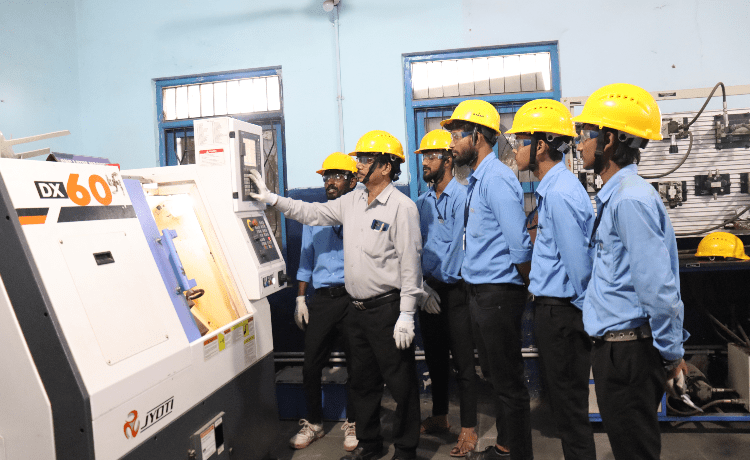
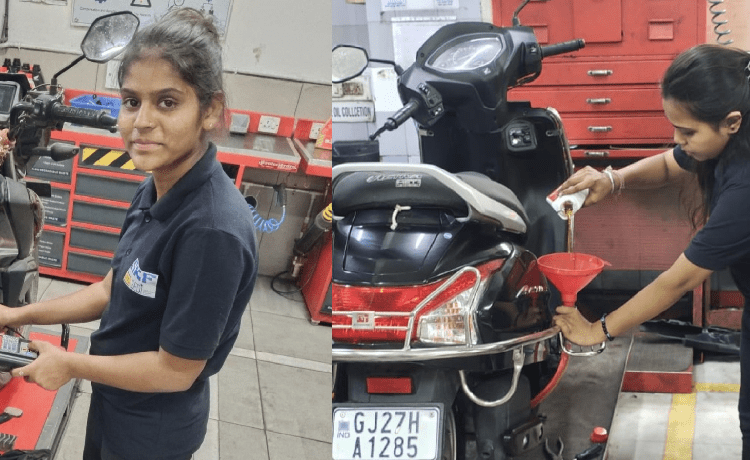
Nearly 70% of SEDI’s training focused on hands-on learning - from oil changes and brake adjustments to engine servicing and gearbox repair. But the real challenge came during placements, where employers remained hesitant to hire women mechanics. During one trial, Krishna was asked to fix a gearbox problem that other mechanics had been unable to repair. She solved it successfully, immediately changing perceptions within the workshop. Impressed, the supervisor publicly praised her work and handed her Rs. 100 on the spot.
Today, the girls work at Honda service centres in Ahmedabad, earning Rs. 14,500–15,000 per month. Their responsibilities include vehicle servicing, inspections, brake adjustments, and engine-related repairs. Employers who initially hesitated to hire women mechanics are now requesting more female candidates from SEDI, recognising their technical competence, professionalism, and consistency at work.
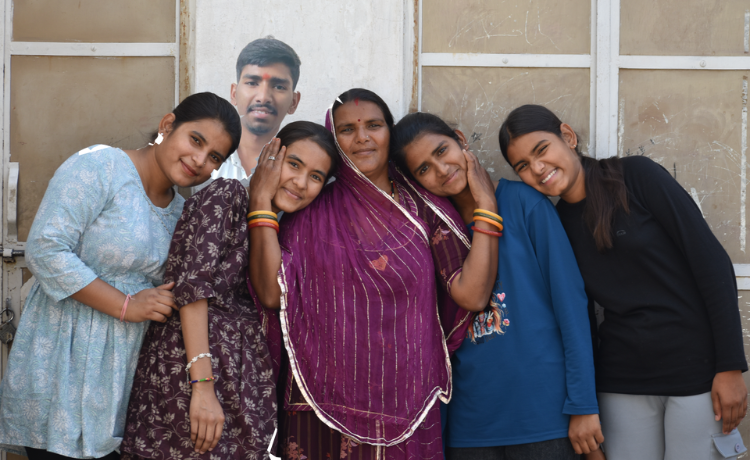
For Meghna’s family, the transformation has been significant. She has purchased her own bike and become the first among her sisters to build an independent career, with her younger siblings also completing skill training at SEDI. Krishna’s journey has similarly reshaped perceptions around women in technical trades. Today, her future husband and in-laws support her ambitions and want her to continue working after marriage.
What began with two hesitant placements is slowly creating a wider shift in mindset. In workshops once considered off-limits to women, Meghna and Krishna are now valued not as exceptions, but as skilled professionals trusted to do the job well.
And with every bike they repair, They are changing the narrative of what is possible for women, making it easier for the next girl to imagine herself in the workshop too.