



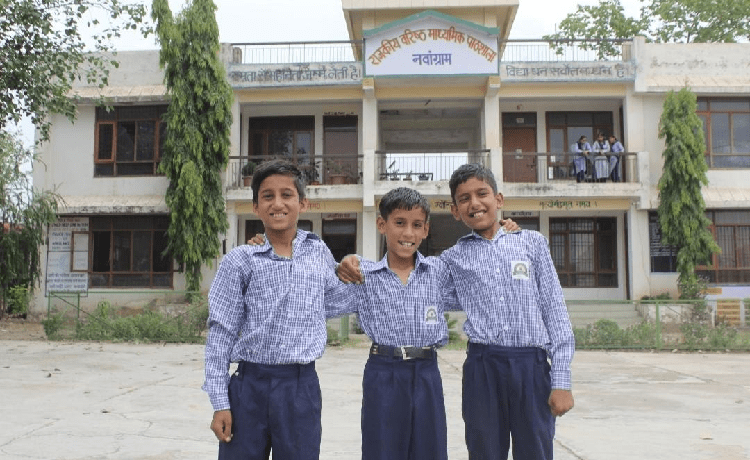
Name: Nawangram Govt. Senior Secondary School
Location: Nawangram Village, Himachal Pradesh
Programme: School Development & After School Programme
Nawangram lies along the drug corridor situated on the Punjab-Himachal border - a region where substance abuse has increasingly affected rural communities. At the Government Senior Secondary School, the impact was becoming difficult to ignore. Several community members had reportedly died from overdose, while syringes were once found near the school campus itself. The school reflected many of the community’s wider challenges. Infrastructure was poor, there was no secure boundary wall, sanitation facilities were inadequate, and the school only offered classes till Grade 10 - forcing many students, especially girls, to drop out.
Ambuja Foundation, with support from Ambuja Cements Ltd./Adani Cement, together with parents and teachers, began using the school as a catalyst for change. Through infrastructure upgrades, sports programmes, awareness sessions, and after-school engagement, the campus gradually evolved into a safer, more aspirational space for young people.
- Securing & Optimising the Campus
- Keeping Education Within Reach
- Harnessing the Power of Physical Education & Sport
- Starting Hard Conversations
- Raising Aspirations
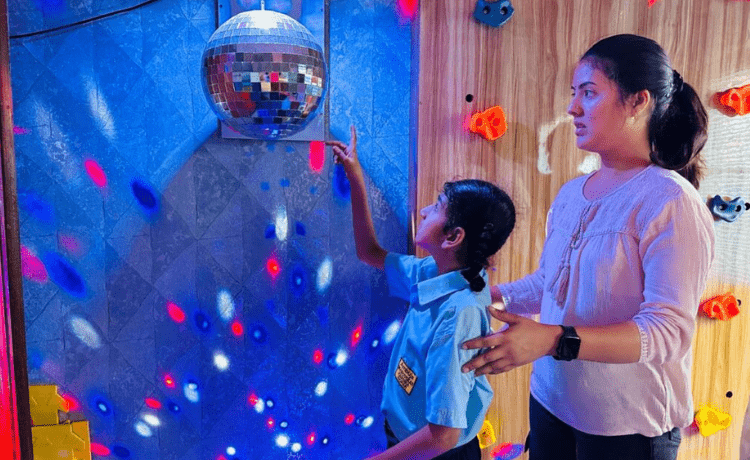
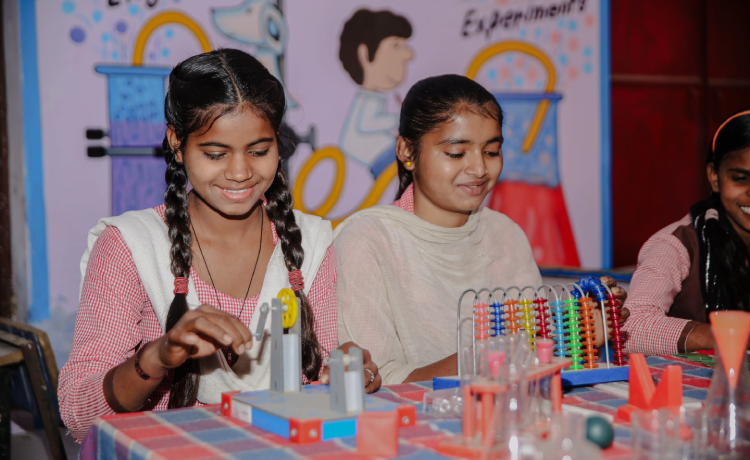
The first changes focused on improving school safety. A boundary wall and entrance gate secured the premises, while new toilets, handwash stations and sanitation facilities created a healthier environment. School grounds were transformed into playgrounds and assembly areas, while solar lighting enabled sports and after-school activities in the evenings, and a new STEM lab created enthusiasm for learning.
Earlier, students had to leave the village after Grade 10 to continue higher secondary education - a major barrier in an area with limited transport. With Ambuja Foundation’s comprehensive support and resources, the school was upgraded to Grade 12, allowing more students to continue studying closer to home.
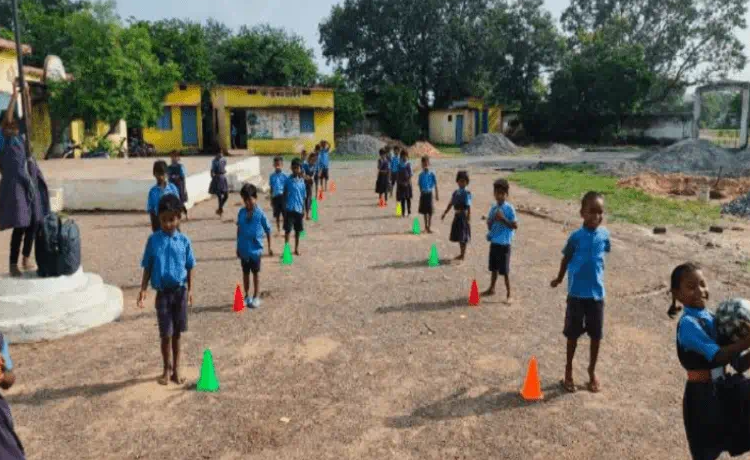
One of the most significant interventions emerged through the After School Programme (ASP) and Azad Sports Club. With many adolescents vulnerable to drug use, structured sports activities enhanced discipline, provided mentoring, and gave purpose. With trained coaches, students began participating regularly in Kabaddi and other sports. What started with village-level sessions has now grown into participation in Panchayat, district, and interstate tournaments across Himachal Pradesh, Punjab, and Haryana. Parents and teachers soon noticed changes in students’ confidence, discipline, and engagement with school life.
The school also began tackling ‘unspoken’ issues within the community. Drug awareness sessions, WASH education, menstrual hygiene, nutrition, and leadership became regular conversations. Teachers, police, health workers, and the School Management Committee worked together to discuss substance abuse and encourage healthier behaviours among students.
Perhaps the biggest transformation has been the shift in aspirations among students and families. In a community once associated with limited opportunities and substance abuse, today students from trucking and agricultural families, having completed Grade 12, are pursuing higher studies in Pharmacy, Arts, and Teacher Education.
For many families, the school has become more than a place of learning - it is now one of the village’s strongest lines of defence against addiction, isolation, and lost opportunity, helping young people imagine futures that once felt out of reach.
.png)
.png)