


Name: Jorpukuria Village
Location: Farakka Block, Murshidabad District, West Bengal
In Jorpukuria, people avoided health screening for one simple reason: fear. The belief ran deep—if a disease is found, life will only get harder. Diabetes and hypertension were seen not as manageable conditions, but as the beginning of lifelong medicines, mounting expenses, and physical decline. Without obvious symptoms, most people saw little point in testing.
So when Ambuja Foundation in collaboration with Narotam Sekhsaria Foundation first introduced NCD early detection camps in the village, the response was poor. Few people turned up, especially men reluctant to lose a day’s wages for a test they believed they didn’t need. For many, it felt easier not to know than confront a diagnosis.
- Mobilising Villagers for Early Screening
- Building Trust, One Conversation at a Time
- Moving Beyond Screening
- Turning Fear into Recovery
- Changing Health-Seeking Behaviour
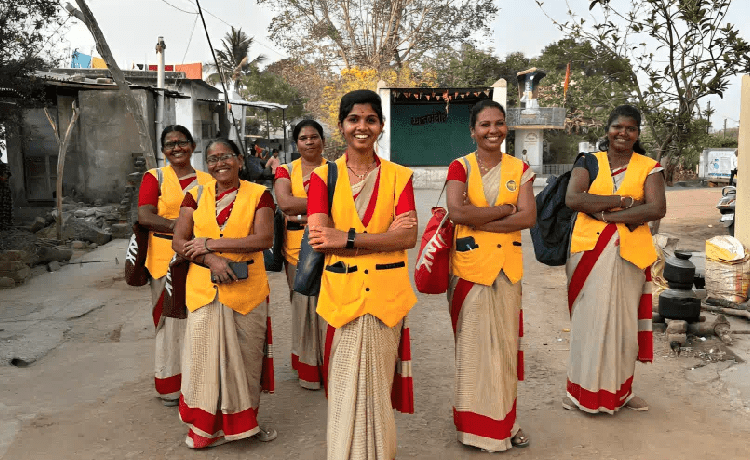
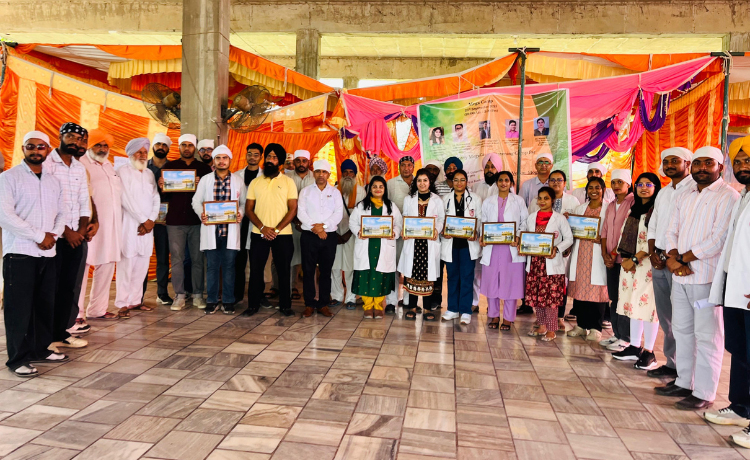
The first screening camp saw barely 30 people, most of them women. To build trust, mobilisation began through SHGs, where conversations around health already felt familiar through earlier maternal and child health programmes. Gradually, outreach expanded through farmers’ groups, youth collectives, ASHA workers, and Sakhi networks - drawing more villagers into the camps.
Change did not happen overnight. People began arriving in small groups, often bringing neighbours or relatives along for reassurance. Repeated outreach made conversations around diabetes, hypertension, and preventive care feel less frightening and more normal. Today, nearly 6,000 people have been screened, with around 20% diagnosed with hypertension alone.
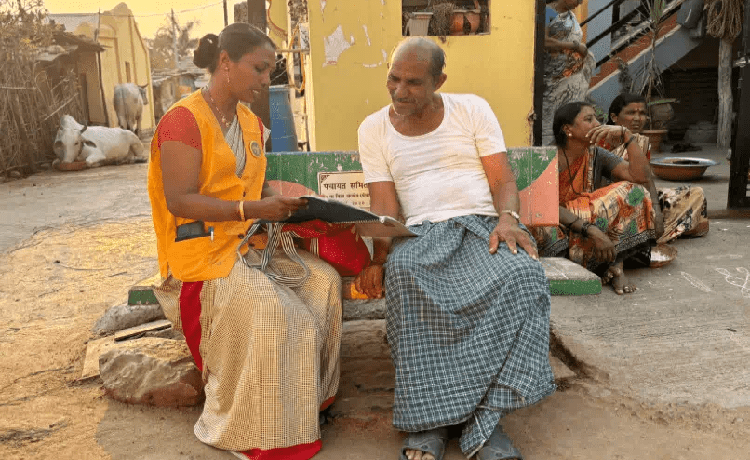
As participation grew, the camps became more than one-time check-ups. ASHA workers, Sakhis, and Ambuja Foundation team members began working together to ensure referrals, follow-ups, counselling, and access to medicines through government health centres. Frontline workers were also trained in screening and counselling, helping build a more reliable system of care.
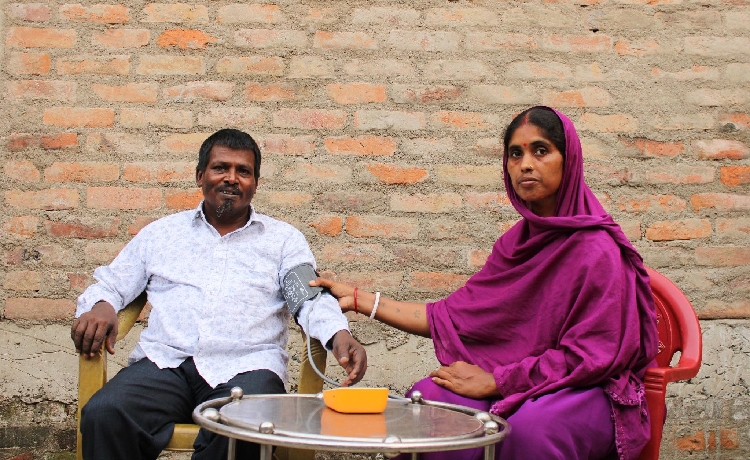
During one camp, 55-year-old Ataur Rahaman was diagnosed with hypertension (165/70) and high blood sugar (185). A small farmer and daily wage labourer with a family of eight, he had avoided screening for years, afraid of what a diagnosis might mean. But after counselling and referral support, he agreed to begin treatment at the local health centre. With regular medication and follow-ups from ASHA workers, his condition steadily improved - his blood pressure stabilised at 120/70 and sugar levels reduced to 131. He also made simple lifestyle changes, cutting down on sugar, salt, and potato intake. As Ataur’s health improved, so did confidence within the community. His recovery became visible proof that early diagnosis was not the beginning of decline - it could be the reason someone stayed healthy enough to keep working, caring for their family, and avoiding more serious illness.
Today, 60–80 people regularly attend screening camps, with participation now nearly equal between men and women. What once felt frightening or unnecessary is gradually becoming part of staying healthy.
In Jorpukuria, the shift has not come through infrastructure alone, but through trust - built slowly through community networks, repeated conversations, and the growing belief that knowing early can change what happens next.