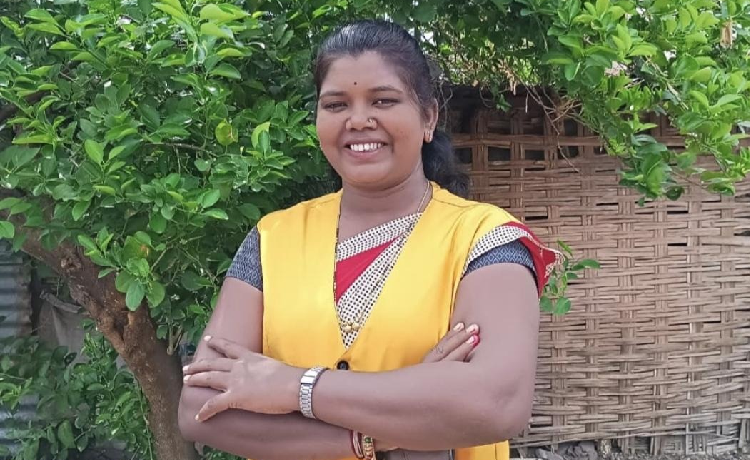



Name: Saroj Kumari
Title: Dairy Farmer & President, Dada Panchveer Women Producer Group
Location: Nandha Village, Haryana
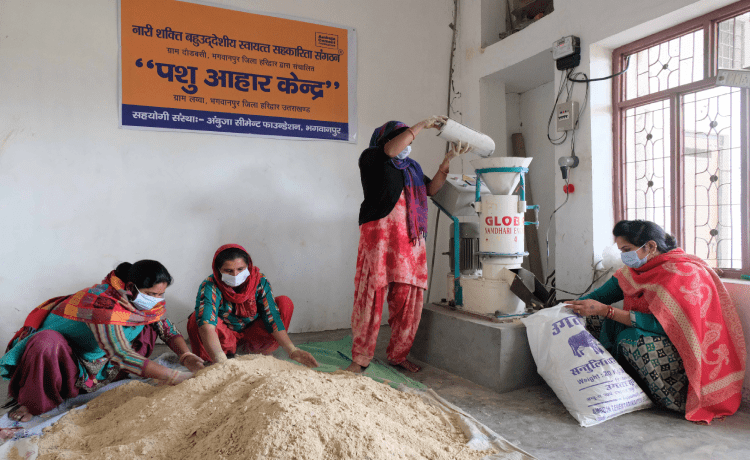
The transformation in Saroj’s dairy business began with something surprisingly simple: water. For years, cattle received water only twice a day and inadequate fodder, limiting their health and milk production. When Ambuja Foundation and HDFC Bank Parivartan began working with women dairy farmers in Nandha village, families adopted round-the-clock access to water and balanced cattle feed. The results were immediate – healthier animals, better milk quality, and higher yields. This simple shift became the foundation for a much larger transformation for Saroj and many women like her.
- Breaking Free from the Middleman
- Turning Better Practices into Better Earnings
- Bringing Veterinary Care Closer to Women Farmers
- From Household Worker to Community Leader
- Building a Women-Led Dairy Enterprise
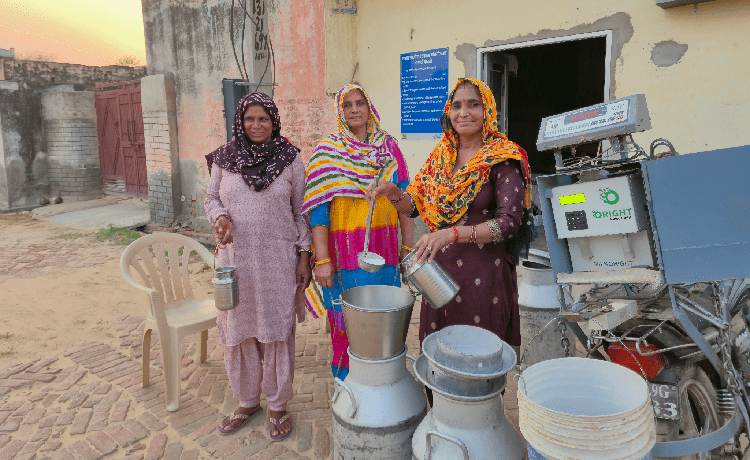
Saroj had long managed the family’s dairy work, with milk sold through middlemen at unfair and opaque rates. In 2024, she joined the Dada Panchveer Women Producer Group’s Milk Collection Centre (MCC). There, milk was scientifically tested using fat and SNF (SolidsNot-Fat) testing machines, and the shift was immediate. The price she received rose from Rs. 55 per litre to Rs. 76 per litre, strengthening the family’s dairy income and giving greater value to work that had long gone unrecognised.
With seven cattle, and her husband cultivating cotton and wheat on just one acre of land, dairy has now become their strongest livelihood stream. Producing around 366 litres of milk each month, Saroj’s earnings increased from Rs. 20,130 to Rs. 27,906 per month during the ten-month milking cycle – an increase of Rs. 7,776 per month through better milk quality and fair pricing alone. Improved feed and cattle care further enhanced productivity, and the family now plans to purchase two more buffaloes.
Earlier, veterinary services were located 15 kilometres away, making treatment difficult and expensive. With support from Ambuja Foundation, women now access cattle health camps, deworming drives, and direct veterinary guidance through a WhatsApp support group – providing timely advice and preventive care to improve cattle health across the community.
Perhaps the greatest transformation has been Saroj’s confidence. Once confined to household responsibilities, she is now the President of her producer group - operating milk testing machines, maintaining records, and training women in hygienic milk handling and quality testing. She also encourages women outside the group to join collectives and improve their livelihoods through fair pricing and shared learning.
What began with one producer group has now expanded into 500+ women involved across 15 villages, with five Milk Collection Centres. Started on 15th August 2025, women have collected and marketed over 1.95 lakh litres of milk worth more than Rs. 96 lakh. What next? The women are now preparing to move beyond milk collection from this collective into full-scale dairy enterprise development - establishing a registered dairy farmer producer company (FPC), investing in a bulk milk chilling unit, and launching paneer, curd, buttermilk, and packaged milk under their own brand.
In doing so, they are steadily taking control of the dairy value chain, shifting power away from middlemen into the hands of Women Dairy Farmers.