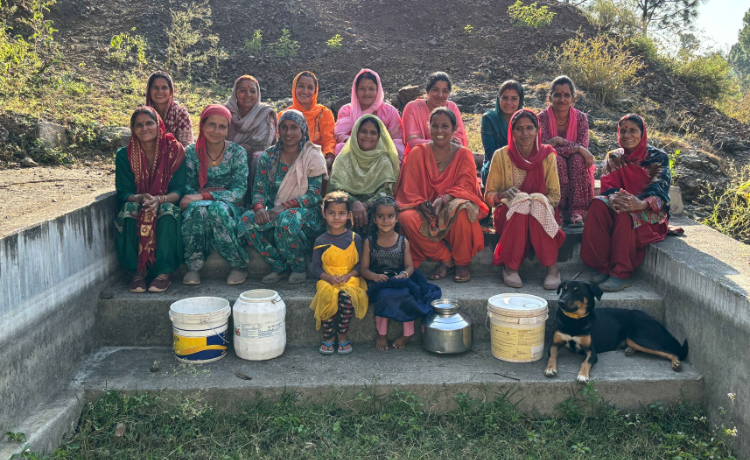



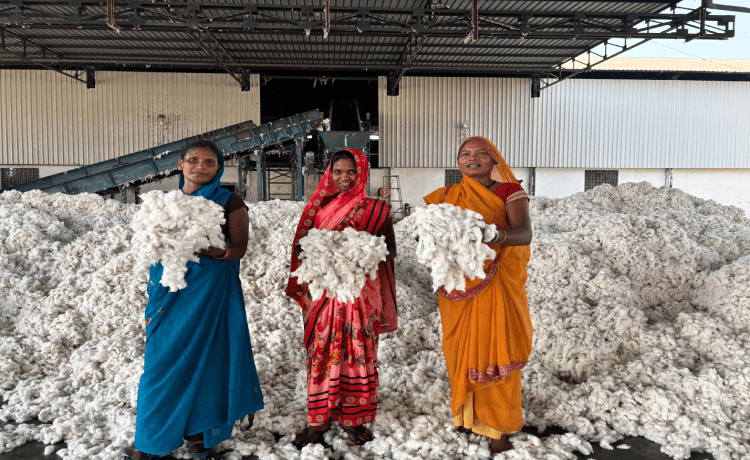
Across India’s cotton fields, women have always been present—sowing seeds, tending crops, managing livestock, and sustaining households. Yet for decades, their contributions remained largely invisible—unrecognised within formal agricultural systems and excluded from decision-making. Since 2019, Ambuja Foundation, in partnership with Better Cotton, has been working to change that narrative—placing women at the centre of cotton cultivation through a deliberate, gender-transformative approach.
This journey began with a simple but powerful shift: recognition.
· Laying the Groundwork (2019–2022)
In 2019, the introduction of the “co-farmer” concept formally acknowledged women from farming families as contributors to cotton cultivation. Ambuja Foundation responded by embedding gender awareness into its programmes—training teams, engaging women through self-help groups (SHGs), and building trust at the community level.
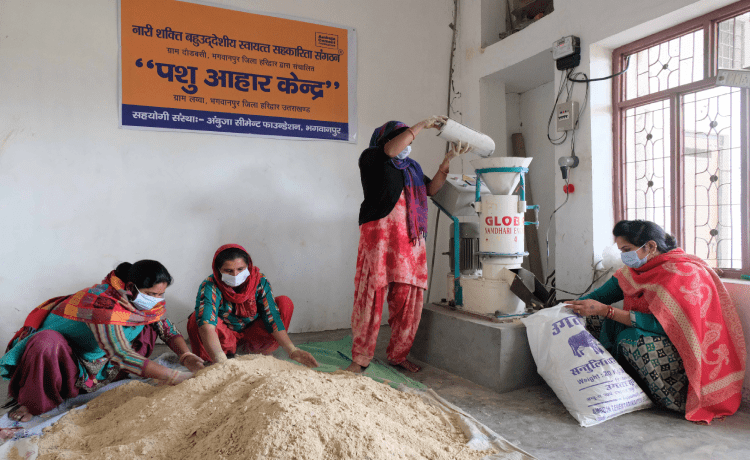
Early interventions focused on practical entry points. Kitchen gardening improved household nutrition while reducing expenses. Community-based roles such as Pashu Sakhis and Swasth Sakhis expanded women’s participation beyond the household. During the COVID-19 pandemic, these grassroots networks proved invaluable—strengthening relationships and demonstrating the power of women-led community engagement.
This phase was less about scale and more about shifting mindsets—within both communities and programme teams.
· From Participation to Institutional Change (2022–2025)
From 2022 onward, the work deepened. A structured gender lens was applied across programmes, linking women’s empowerment with climate resilience and decent work in cotton farming. Organisational shifts followed: Women Empowerment Officers were appointed at project locations, gender-integrated action plans were introduced, and over 1,000 staff members were trained to embed these perspectives across interventions.
For the first time, gender-disaggregated data was systematically tracked—making women’s participation visible and measurable.
The results are telling. Women’s representation within programme teams rose from 29.7% in 2019–20 to 38.5% in 2025–26, with even stronger gains at the field level. While leadership roles remain a challenge—often shaped by mobility constraints and social expectations—efforts such as the Pankh women’s forum are attempts to address retention and career progression.
But the most meaningful shifts are happening in the field.
Growing Participation, Expanding Roles
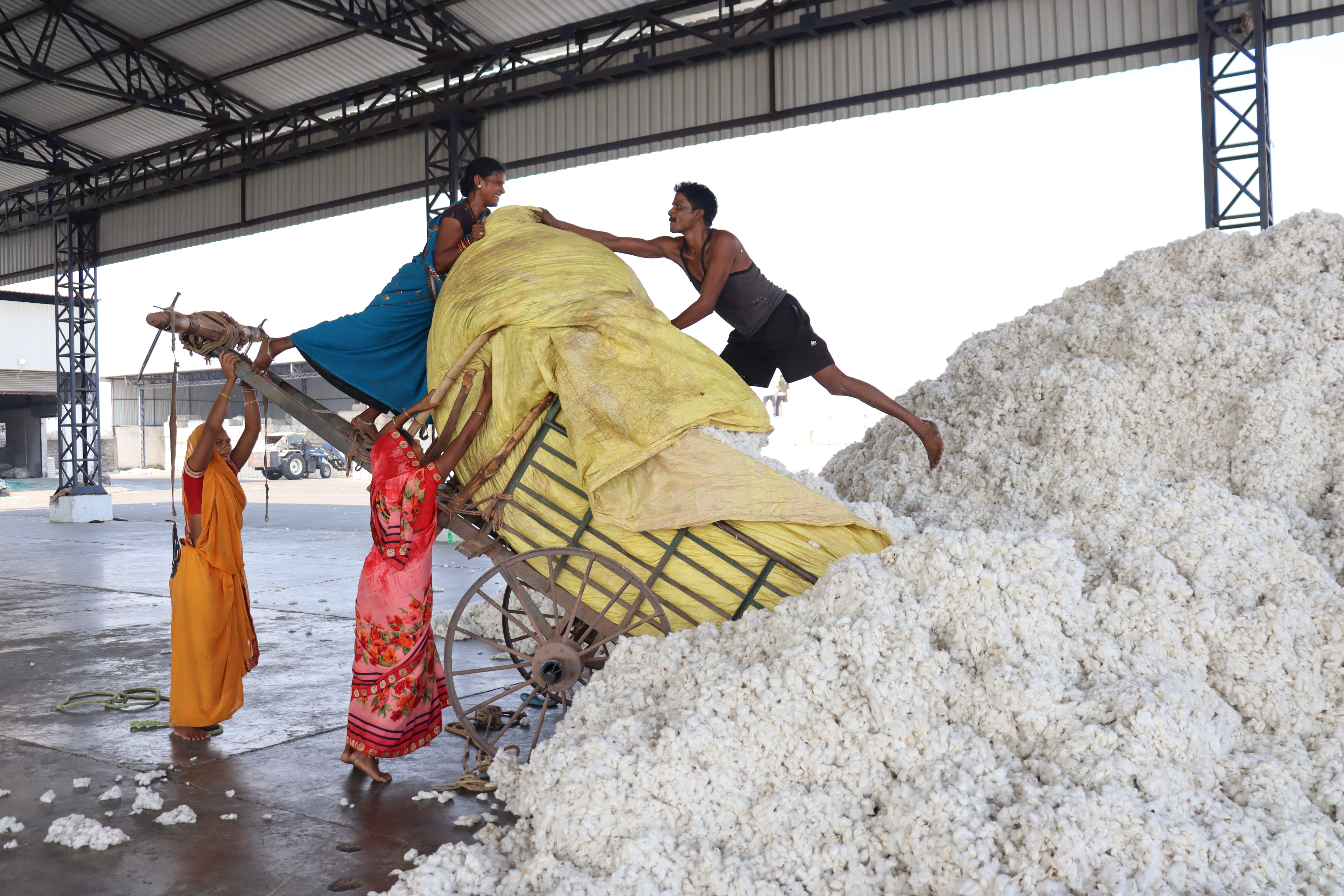
Women’s participation in cotton-related trainings has increased significantly—from 44% in 2023–24 to nearly 60% in 2025–26. This has translated into deeper engagement across the cotton value chain.
Between 2021 and 2025, the number of women farmers in the programme grew from 8,455 to over 14,000. The number of co-farmers expanded even more rapidly, reaching over 136,000. Women are not just participating—they are leading. The number of women lead farmers increased more than sevenfold during this period.
Training content evolved alongside this growth. Modules were redesigned to include core agricultural practices—soil health, pest management, safe input use, and post-harvest handling—while also integrating aspects of safety, dignity, and decent work. Women were included in exposure visits, demonstration plots, and scientific engagements, ensuring access to knowledge that had long remained out of reach.
From Knowledge to Agency
As participation grew, so did confidence. Women began adopting regenerative practices, producing bio-inputs, and contributing to farming decisions. This has led to reduced input costs, improved yields, and lower chemical usage.
At the same time, women have diversified into allied livelihoods—goat rearing, poultry, and kitchen gardens—strengthening household resilience to both climate and economic shocks. These activities generate income while improving nutrition and food security.
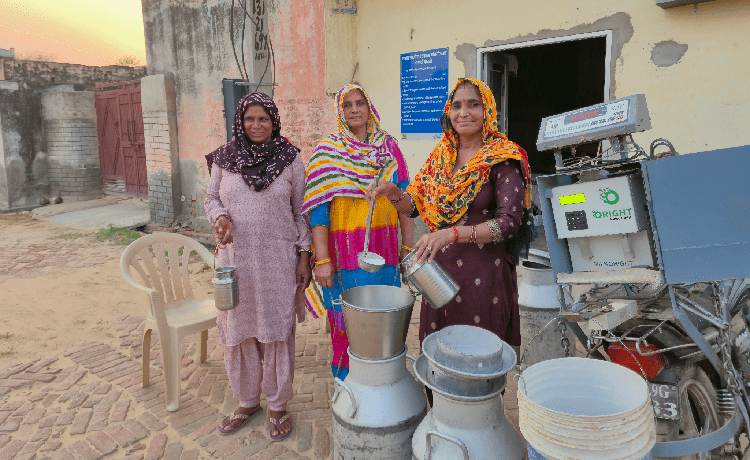
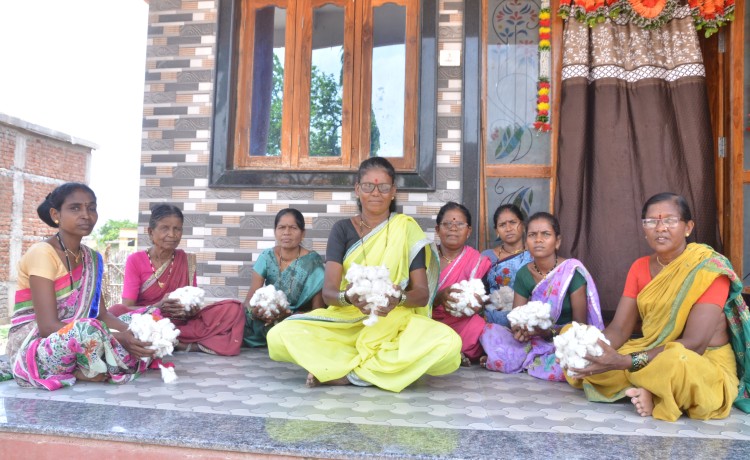
In several regions, women are also reshaping market dynamics. In parts of Maharashtra, women’s groups are collectively procuring cotton, securing better prices by reducing reliance on intermediaries. In Gujarat, women producing bio-inputs are gaining recognition for improving both cost efficiency and crop quality. Across states, small enterprises—from stitching units to pest management solutions—are emerging as viable income streams.
For many women, this transformation is deeply personal.
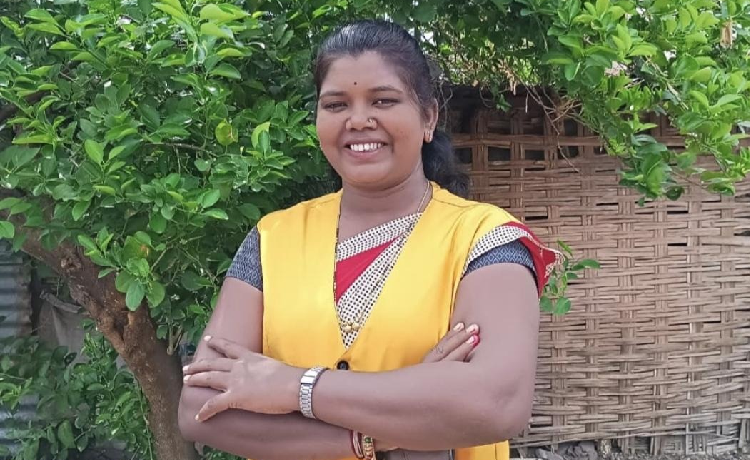
“Earlier, I never thought I could be a farmer. Now, I manage my own demo plot and guide others,” shares a lead farmer from Nagpur. “The goat unit has helped me earn enough to send my children to school,” says another from Chandrapur. “I feel proud to contribute.”
These stories reflect a broader shift—from participation to agency.
Navigating Complexity and Context
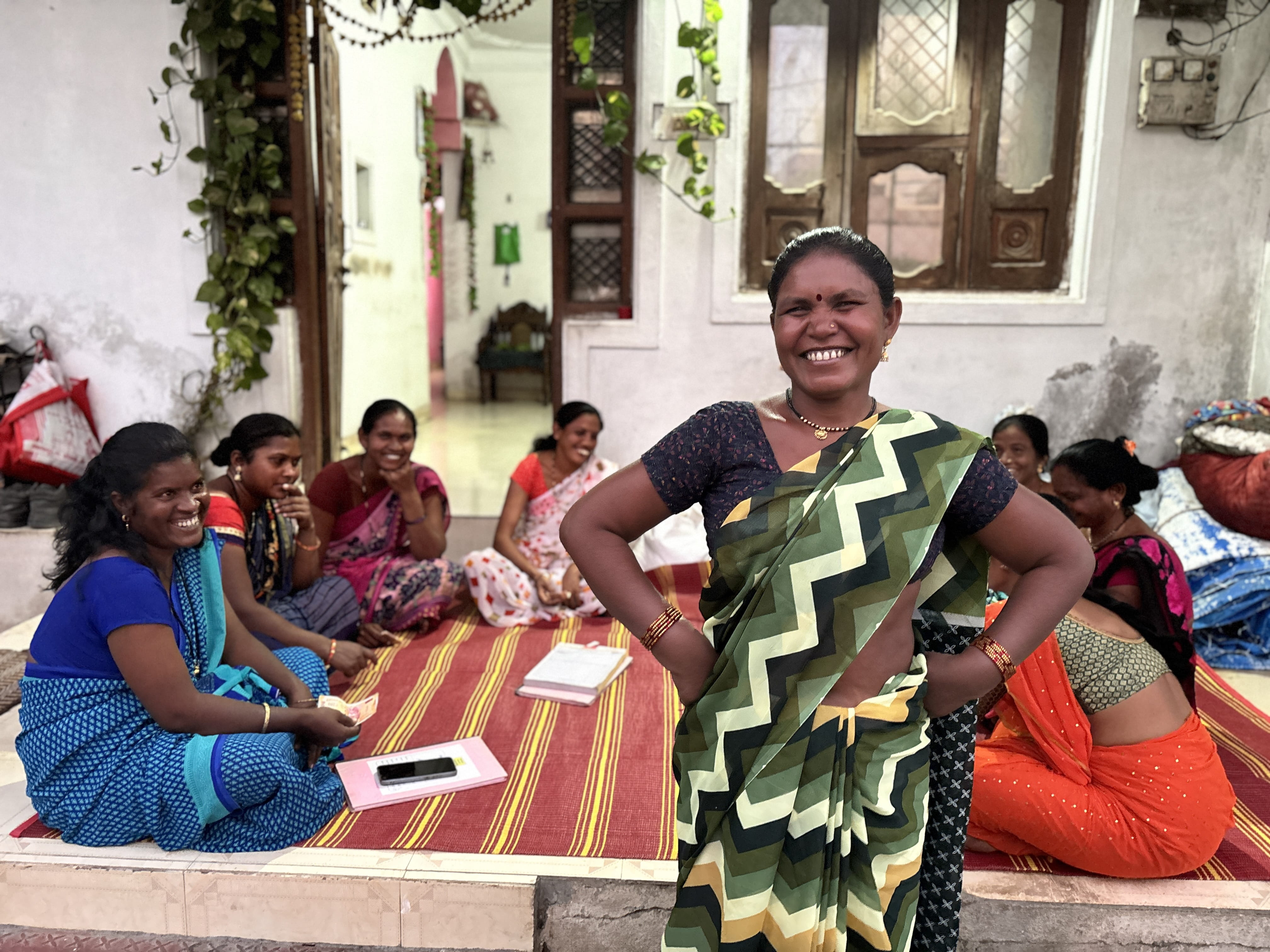
Progress, however, is not linear. Social norms continue to shape what empowerment looks like across regions. In states like Punjab and Rajasthan, restrictions on mobility and public participation remain significant barriers. Even in Gujarat and Maharashtra, patriarchal structures influence women’s access to resources and decision-making.
Ambuja Foundation’s approach has been to work within these realities—designing context-specific interventions. In Gujarat, efforts focus on income generation within socially accepted spaces. In Maharashtra, collectivisation through SHGs has proven effective. In Rajasthan and Punjab, engagement has been gradual—starting with household-level activities and expanding outward.
This grounded, context-sensitive approach has been key to ensuring that progress is both meaningful and sustainable.
Looking Ahead: From Programmes to Systemic Change
The journey so far makes one thing clear: women’s empowerment—and ensuring women are recognised as farmers and active participants in the cotton market chain—cannot be achieved through a single intervention. It calls for a system shift.
A shift in social norms. A shift in the interplay of agency, access, opportunity, and power. Rural women continue to face layered barriers—from restrictive norms to limitations on mobility, finances, and decision-making. Strengthening agency must go hand in hand with shifting these structural realities.
Equally critical is the role of families and communities. If norms don’t shift, a woman’s success can sometimes trigger backlash—domestic conflict or loss of control over her earnings. Prevention must replace damage control: community sensitisation, supportive husbands, engaged mothers-in-law, and empowered daughters all matter.
Strengthening linkages with government platforms is equally catalytic. SHGs, NRLM, PMEGP, MUDRA, and financial systems offer pathways to scale—building on what exists, bridging last-mile gaps, and unlocking entitlements women rightfully deserve.
At the core of this next phase is participative planning. Women’s inputs—through consultations, feedback loops, and gender committees—must shape programme design. Because empowerment looks different for different women: for some, it means agency in farming decisions; for others, a role in household finances; and for some, stepping into public leadership and influencing systems.
What is clear is this: when women are recognised not just as labourers, but as farmers, decision-makers, and leaders, the impact extends far beyond cotton fields. It begins to reshape households, markets, and communities—quietly, steadily, and at scale.
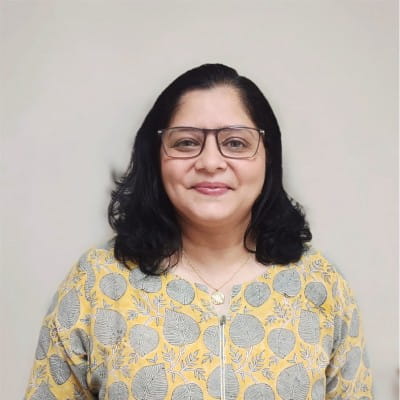
Authored by Mrs. Medhavinee Namjoshi - Senior Manager Gender Initiatives