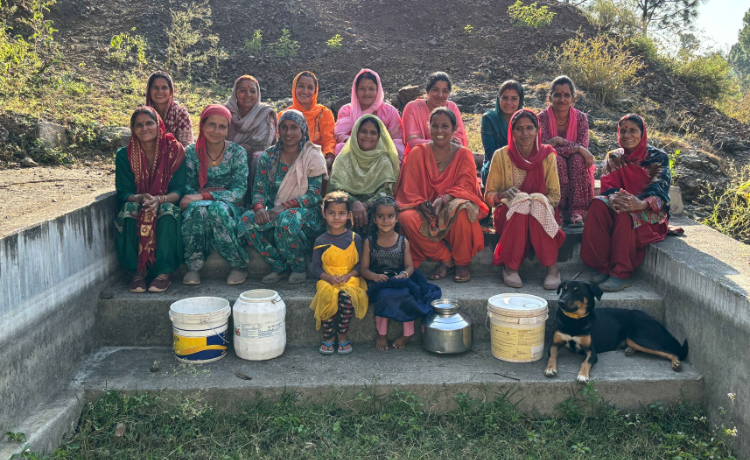



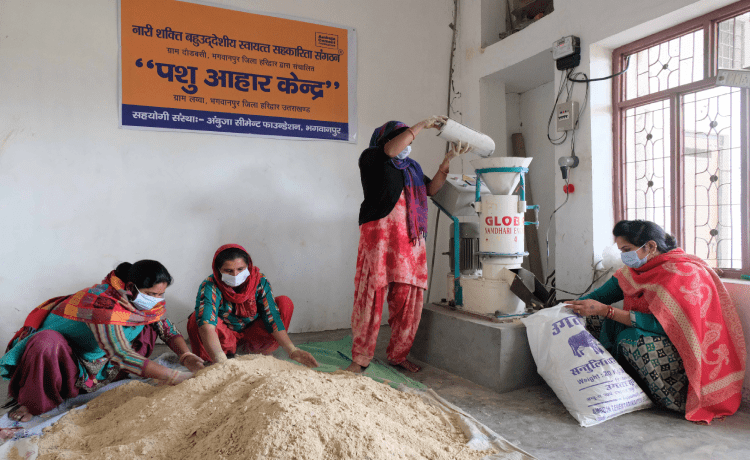
The Nari Shakti Federation in Uttarakhand had built a successful enterprise selling cowdung cakes — an eco-friendly product based on traditional rural practices and the increasing demand for traditional, eco-friendly products. But there was one problem: the product was packaged in plastic.
The contradiction revealed a larger challenge faced by many rural women’s collectives. Producing a good product was not enough. To compete in the market, women needed support with branding, packaging, pricing and buyer linkages.
Ambuja Foundation therefore helped the federation redesign the product and improve its packaging and branding. The result was immediate — stronger customer response and better market acceptance.
Over the years, Ambuja Foundation has worked with women’s collectives across rural India to strengthen economic independence through SHGs, enterprises and entrepreneurship initiatives. But a programme review in 2018 revealed that while women were learning skills and starting enterprises, many groups still struggled to sustain incomes over the long term.
“Over the years, we have seen that livelihoods succeed when women can reach markets. Market linkages turn activities into enterprises and groups into economic actors. We therefore support women’s groups not only to produce, but to price, package, brand, negotiate and sell in real markets,” says Debapriya Gosh, Vertical Head – Women Empowerment, Ambuja Foundation.
And the results have been remarkable.
Turning Skills into Sustainable Income
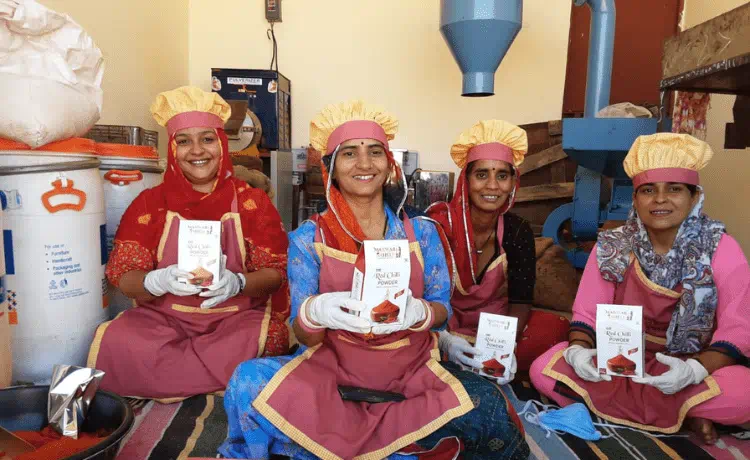
In Rajasthan, women federations from the Chirawa region were individually grinding and selling spices, often struggling to sustain or grow their incomes. To help strengthen their market presence, Ambuja Foundation brought 3 federations with over 2000 members together under the collective brand Marwar Saheli as an apex institute. Today, they collectively sell spices, traditional food products and handcrafted items through its own e-commerce platform as well as digital marketplace like Amazon and has an annual turnover of Rs. 1.93 crores.
Across communities, women already knew how to produce dairy products, spices, handicrafts, stitched garments and agricultural goods. But limited mobility, low production volumes, lack of market exposure and weak bargaining power often prevented them from moving beyond small-scale local sales.
“For many women, the biggest barrier was mobility,” says Kalpana Kaityar, Project Coordinator – Women Empowerment, Chirawa, Ambuja Foundation Rajasthan. “Many had never travelled outside their homes independently for work or business.”
“Improving production is relatively easy,” says Twinkle Singh, Project Officer-Women Empowerment, Bhagnwanpur, Ambuja Foundation Uttarakhand. “But ensuring product quality and marketing requires exposure and training. Women need the confidence to travel outside, negotiate with vendors and understand market demand.”
In many areas, Ambuja Foundation observed that women’s groups were producing good products, but struggled with pricing, quality control, aggregation, branding, logistics and buyer relationships. The focus therefore shifted from simply promoting livelihoods to strengthening enterprises.
Building Strength Through Collectives
Women’s collectives became central to overcoming these barriers.
In Punjab, women associated with Virasat – E- Malwa discovered that working collectively reduced risk and improved market access. Through Common Facility Centres (CFCs), women shared infrastructure, improved production consistency and accessed larger market opportunities.
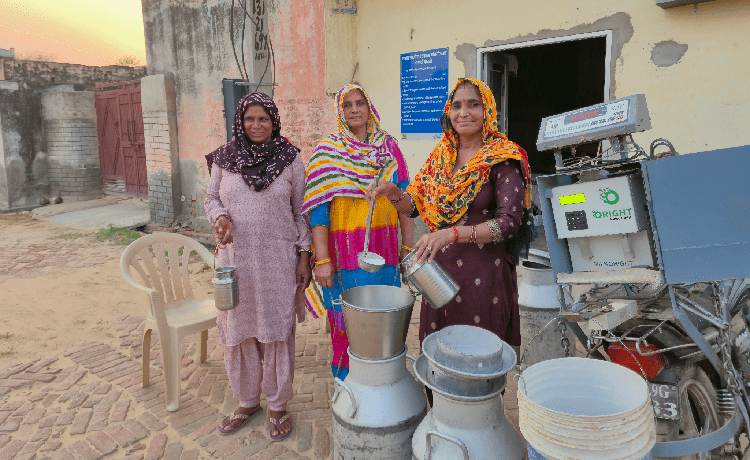
Similarly, federations such as Amrit Dhara in Himachal Pradesh evolved beyond milk collection into enterprise-led models focused on quality, sustainability and market engagement and have a turnover of Rs. 1.58 crore.
However, the biggest transformation was often personal. Women who initially hesitated to interact with buyers or vendors are now negotiating directly in markets, sourcing raw materials and engaging confidently with institutions.
“Initially, women were unable to face men and negotiate with them,” says Sanjay Kumar, Zonal Head - Roorkee, Ambuja Foundation. “Today, Nari Shakti bargain directly with vendors and confidently interact with buyers and officials. Their annual turnover is Rs. 2.7 crores”
“Women continue to stay engaged in collectives when they can see the long-term benefits of working together,” says Kalpana Kaityar.
Making Products Market-Ready
One of the most important lessons for many women’s enterprises has been that market success depends not only on the product itself, but also on presentation and positioning.
In Uttarakhand, women-led enterprises producing cowdung cakes and LED bulbs realised that while the products met market demand, branding and packaging needed significant improvement to compete effectively.
“The gap between market expectations and what women were producing had to be understood,” explains Twinkle Singh. “Once that gap was identified, women could begin improving branding, packaging and quality accordingly.”
Across locations, Ambuja Foundation also supported women’s collectives in licensing processes, quality standards, social media promotion and product differentiation — helping enterprises differentiate products in competitive markets.
Taking Rural Enterprises to Market
Creating sustainable livelihoods required more than training alone. Women needed access to buyers, platforms and institutional support systems that could help them scale their enterprises and reduce costs.
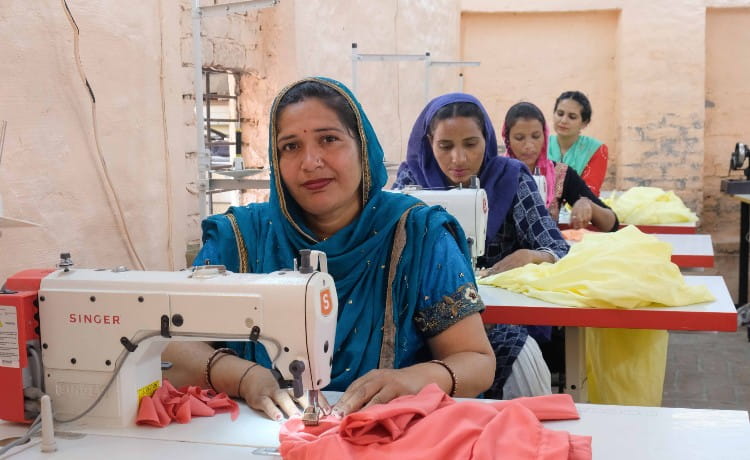
Common Facilitation Centres (CFCs) emerged as important support systems for women-led enterprises. In Punjab and Haryana, women associated with stitching and garment-making enterprises used CFCs as shared spaces for production, training and enterprise development.
During the COVID-19 pandemic, mask-making initiatives that began with just 35 women expanded across multiple districts and CFCs, creating both income opportunities and local supply networks.
Beyond infrastructure support, the centres also became spaces for collaboration, exposure and collective market engagement.
In Rajasthan, women’s federations also strengthened linkages with government institutions and explored e-commerce opportunities through proposals submitted to NABARD — further expanding access to formal markets and institutional buyers.
From Earners to Leaders
But the impact of market access has extended far beyond income generation.
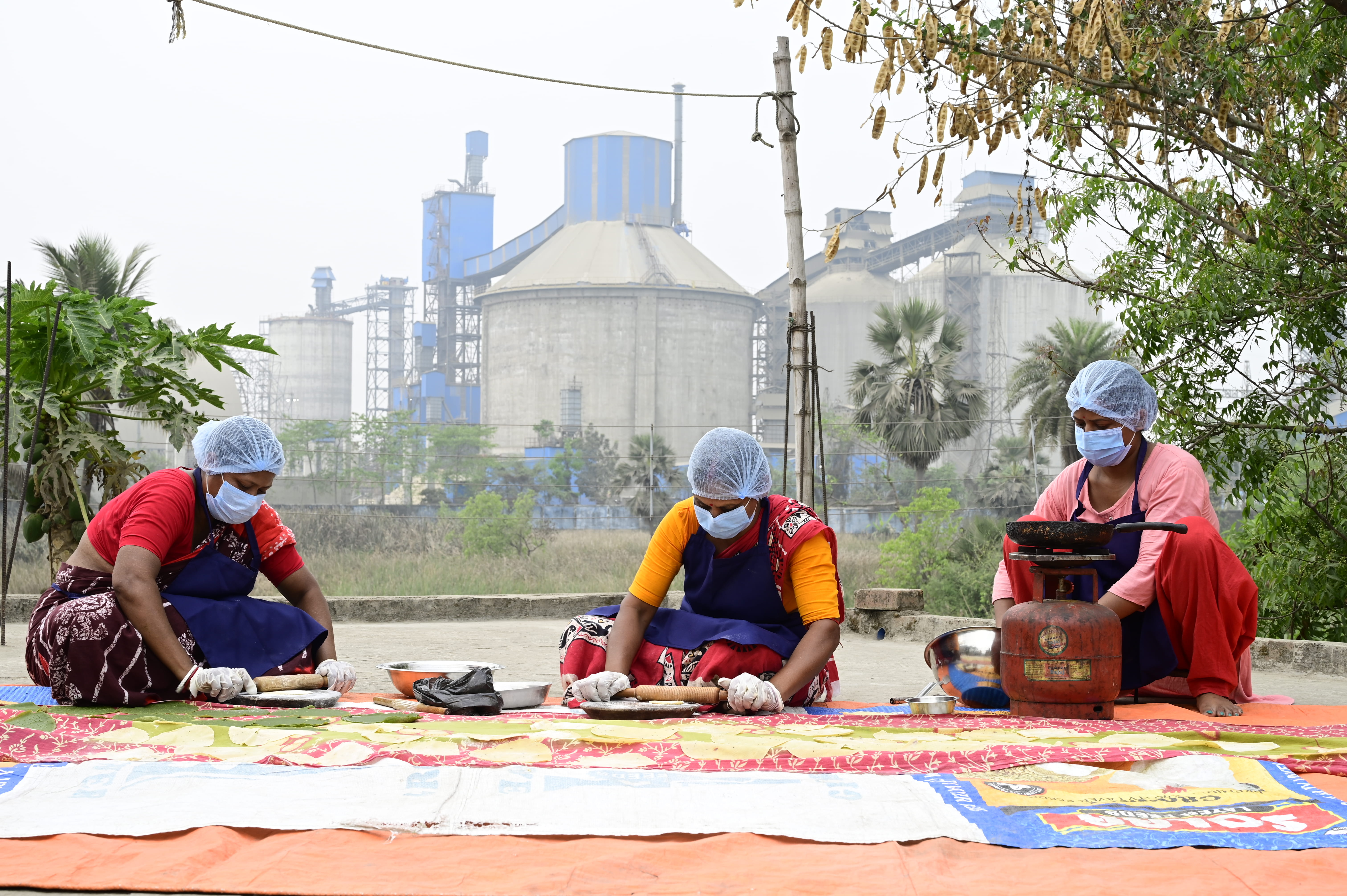
In West Bengal, women associated with papad-making enterprises gradually became involved not just in production but also in marketing and enterprise management. Increased incomes strengthened their role in household decision-making, particularly around children’s education.
Meanwhile, members of the Amrit Dhara Federation are now shareholders and board members after registering as a cooperative society. With leadership training and exposure, women who once rarely stepped outside their homes now interact confidently with bankers, NABARD representatives and government officials.
Today, enterprises such as Marwar Saheli and Virasat-E-Malwa reflect a larger transformation taking place across rural India — where women’s collectives are evolving from small production groups into visible market-facing enterprises led by women entrepreneurs themselves.
Ambuja Foundation’s experience across states has reinforced a simple but important lesson: sustainable livelihoods are built not only by teaching women how to produce, but by helping them access markets, strengthen enterprises and participate confidently in the economy.