


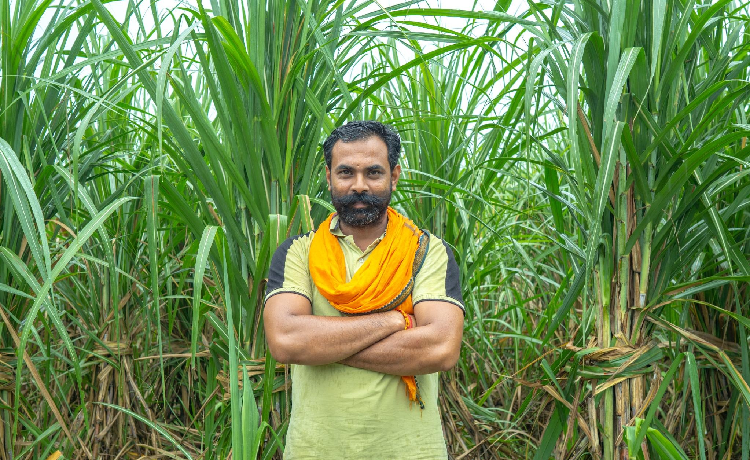
Name: Nishant Chauhan
Title: Organic Farmer
Location: Haridwar, Uttarakhand
For years, farming in Haridwar’s sugarcane belt followed a familiar pattern: more chemicals, more fertiliser, and rising cultivation costs. Productivity remained the priority even as soil fertility declined. When Ambuja Foundation conducted soil tests in the region, the findings were alarming – 95% of farmers had soil organic carbon levels below the minimum needed for sustainable farming.
As many farmers described it, the soil was “on a ventilator.”
For Nishant Chauhan, the turning point was deeply personal. After his mother developed recurring kidney stones, doctors warned that food and water contamination could be the cause. Nishant began searching for alternatives – beginning a journey to restore both soil and family health.
- Beginning with Just Two Bighas
- Bringing Soil Back to Life
- Farming for Health, Not Just Yield
- Building a Community Around Organic Farming
- Creating a New Organic Economy
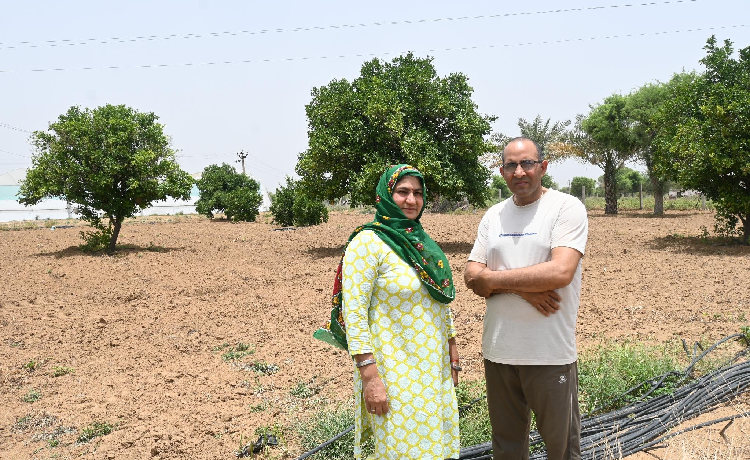
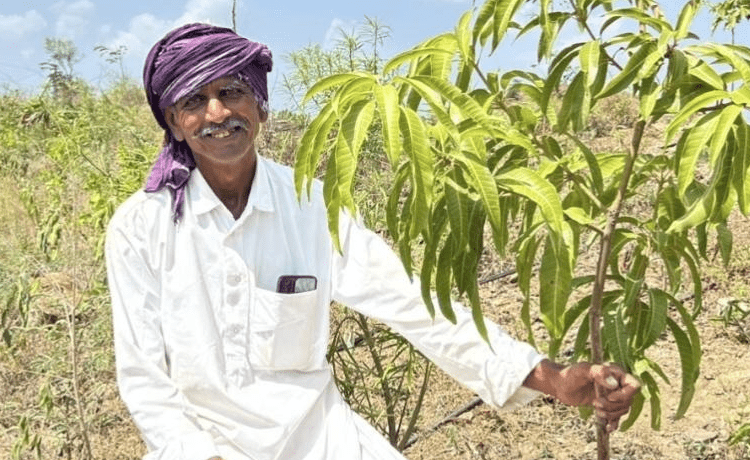
When Ambuja Foundation introduced organic farming under the HDFC Bank Parivartan Organic Project, most farmers were sceptical. Organic farming was widely seen as risky and unproductive, and even Nishant’s father opposed the idea. Still, Nishant persisted. In 2022, he convinced his family to let him experiment on just two bighas of farmland. To his surprise, productivity on the organic plot matched chemically cultivated land. Within a year, his father became convinced too. Today, Nishant has expanded from 2 to 22 bighas under organic cultivation.
As a demonstration farmer, Nishant adopted natural farming practices focused on rebuilding soil health. With support from Ambuja Foundation, he established vermicompost beds and a NADEP composting unit, while also using mulching, green manuring, decomposers, and bio-inputs sourced through the Organic Resource Centre (ORC). The shift reduced cultivation costs from Rs. 11,000 – Rs. 15,000 per bigha to just Rs. 2,300 – Rs. 2,500, while soil fertility and crop quality steadily improved.
For Nishant, the benefits extended beyond the farm. His family now consumes only organic produce, including black wheat introduced through the programme, which helped improve his wife’s diabetes and blood pressure management. Most importantly, Nishant says his mother has not needed medical treatment in the last three years.
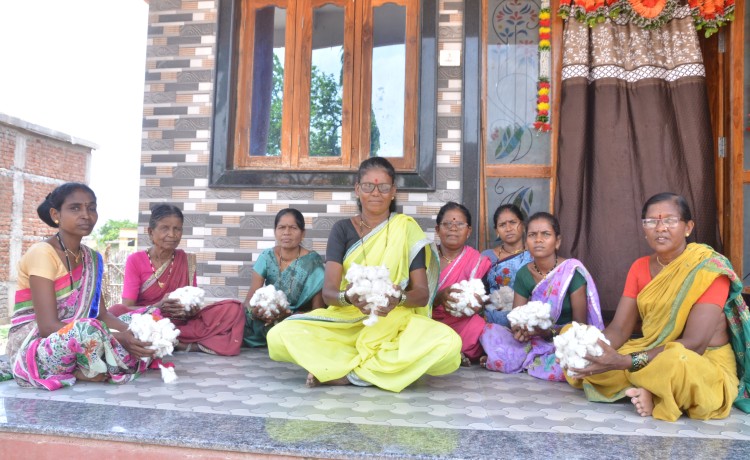
Organic farming can often feel isolating in regions dominated by chemical-intensive agriculture. But the Organic Resource Centre changed that. Farmers now meet regularly to exchange bio-inputs, troubleshoot crop challenges, discuss markets, and train one another. What began in 21 villages with 500 farmers has now expanded to 150 villages involving nearly 15,000 farmers, with the programme aiming to certify 3,000 organic farmers in the coming years.
The project has gone far beyond cultivation practices. Farmers have collectively built an organic value chain through certification, processing, and market linkages under the Dhara Amrit initiative, which has already developed six certified organic products.
In 2025, Nishant was honoured by the Governor of Uttarakhand at the 118th Kisan Mela at Pantnagar University for his work in organic and natural farming. Nishant’s journey is helping demonstrate that the future of farming may lie not in adding more to the soil—but in bringing the soil back to life.