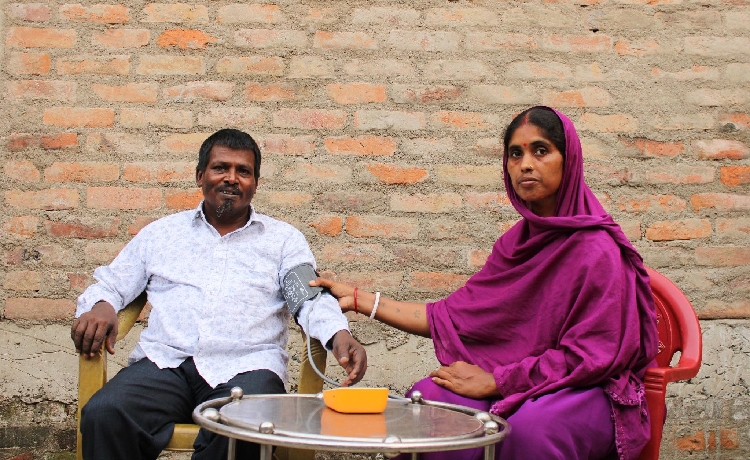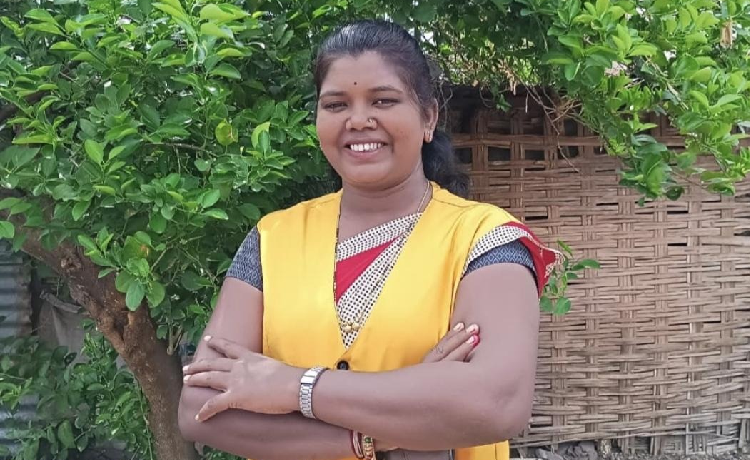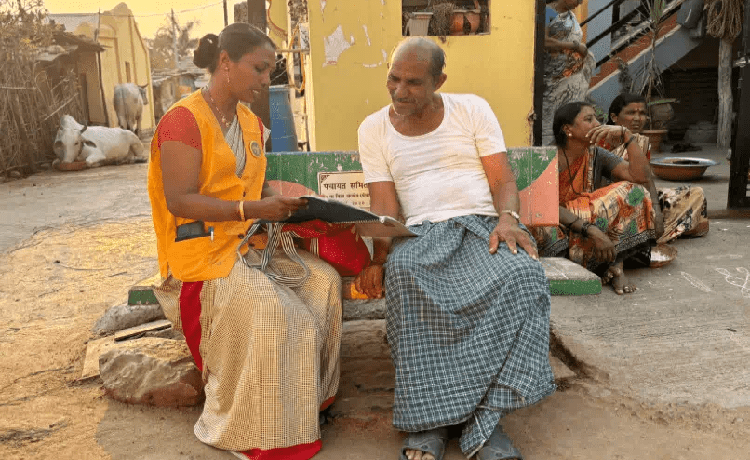



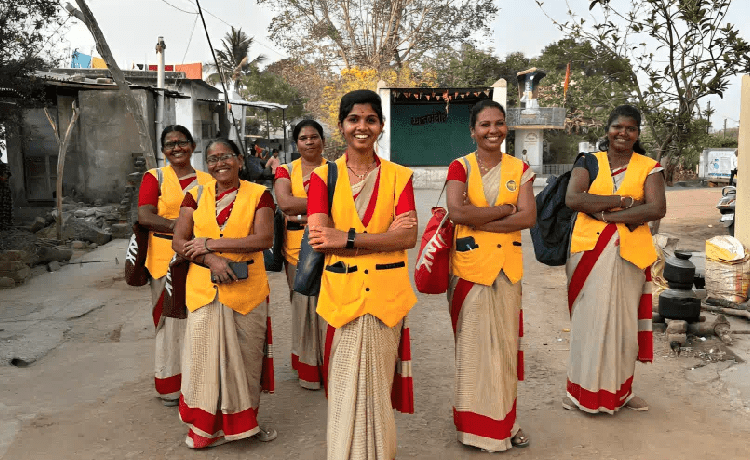
Across Ambuja Foundation’s interventions, one theme consistently stands out: the essential role of frontline workers in reaching the last mile. Whether Sakhis, Pashu Swasthya Sevikas, agri extension officers or Pustak Fairies, these community-based workers form the bridge between rural families, Ambuja Foundation’s programmes, and government systems. Over the years, Ambuja Foundation has built a strong cadre across diverse geographies — and their effectiveness rests squarely on the strength and consistency of their training.
A Cross-Sector Approach to Capacity Building
Frontline workers give Ambuja Foundation a unique ability to deliver impact where it is needed most. But unlocking this potential requires more than goodwill; it demands continuous investment, structured learning pathways, and sustained handholding. Training sits at the heart of every thematic area — agriculture, water, skills, women, education and health — blending technical content with the communication, confidence, and empathy essential for working with vulnerable households.
As Dr. Vinayak Sonawane, Associate Director – Health, notes, “Frontline workers already hold the trust of the community. Our job is to strengthen their skills so they can turn that trust into action.”
Health: The Training Model in Action
Ambuja Foundation’s health programme reflects this philosophy through long-term partnerships, layered capacity building, and ongoing mentoring. Multi-year collaborations with expert agencies ensure repeated exposure, refreshers, and on-ground guidance.
Across Farakka, Raigarh, Bhatapara and Rajasthan, intensive training cycles strengthened maternal and child health, nutrition and NCD capacities for 300+ Anganwadi Workers, ASHAs and Sakhis. Partners such as Amhi Aamchya Arogya Sathi and SNEHA built skills in HBNC care, anthropometric measurement, high-risk identification and the 1,000-day approach, leading to earlier detection and timely referrals.
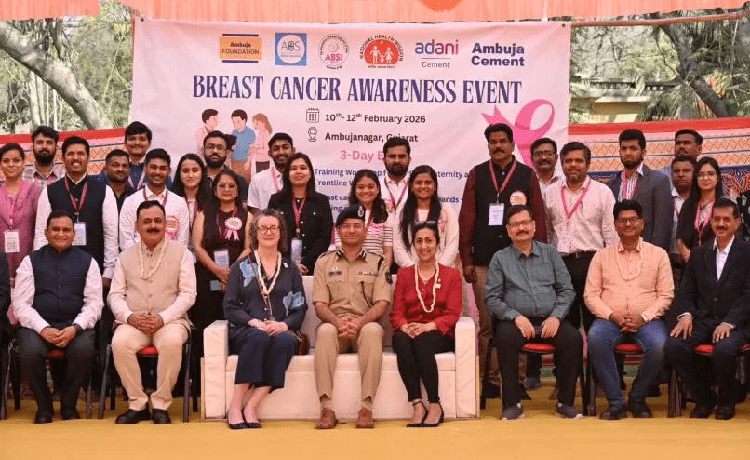
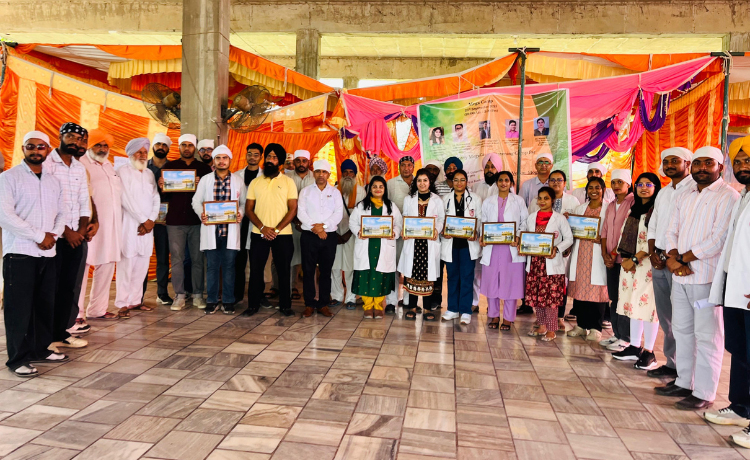
Cancer screening capacities increased through joint programmes with Association of Breast Surgeons (ABS) UK, AIIMS Bhatinda and Homi Bhabha Cancer Hospital and Research Centre, which trained 400+ frontline workers across Punjab and Chandrapur in breast and cervical cancer awareness, Self-Examination and Clinical Examination techniques, via screening and referral protocols. Ambuja’s master trainers now extend this learning across locations.
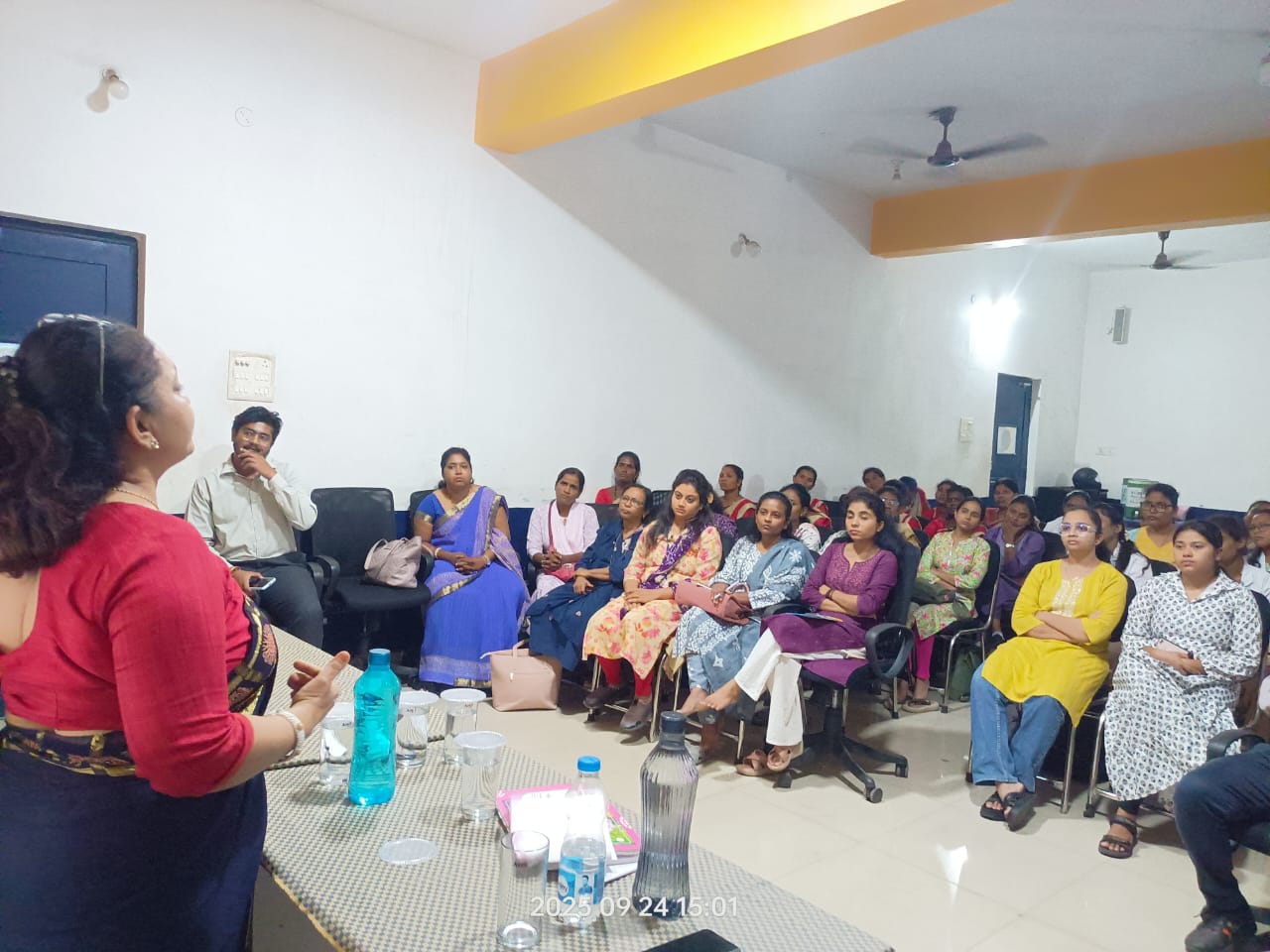
Technology-enabled screening advanced in Chandrapur, where 40+ Sakhis and ANMs were trained on SCOPE, an AI-supported cervical cancer tool targeting 2,500 women this year. Respiratory health skills were refreshed through specialised sessions on childhood asthma and chronic lung disease.
The Atmiyata mental health programme in collaboration with the Centre for Mental Health Law & Policy expanded significantly: 24 master trainers conducted five-day trainings for 750 facilitators across 2,000+ cotton farming villages, with refresher sessions held in Darlaghat.
As Vinayak reflects, “A strong frontline workforce is the backbone of our health programme. When people from the community take ownership of health issues, the impact becomes deeper and far more sustainable.”
Beyond Knowledge: Building Confidence, Communication and Empathy
Ambuja Foundation’s approach goes beyond technical instruction. In areas such as mental health, training includes communication techniques, active listening and guidance on navigating sensitive conversations. “Often, the difference between a missed case and an early intervention is how a frontline worker listens,” Vinayak explains.
Motivation is equally crucial. Many frontline workers face stigma, difficult terrain and low incentives, yet their commitment strengthens through continuous support, peer learning and the immersive experience of residential trainings. “During COVID we relied on remote sessions, but when we returned to residential training, the change was immediate,” Vinayak notes. “The confidence, the energy, the peer bonding — it can’t be replicated online.”
Catalysts for Community Change
With stronger skills and deeper confidence, frontline workers become powerful change agents. They counsel families, identify high-risk pregnancies, screen for cancers, recognise mental health concerns and make timely referrals — contributing to growing awareness, earlier care-seeking and greater community ownership.
As government focus expands in areas like mental health and cancer screening, Ambuja Foundation’s model of training community volunteers and working alongside government functionaries fills a critical capacity gap. The partnership strengthens both community outreach and navigation of formal health pathways.
Partnering for the Future
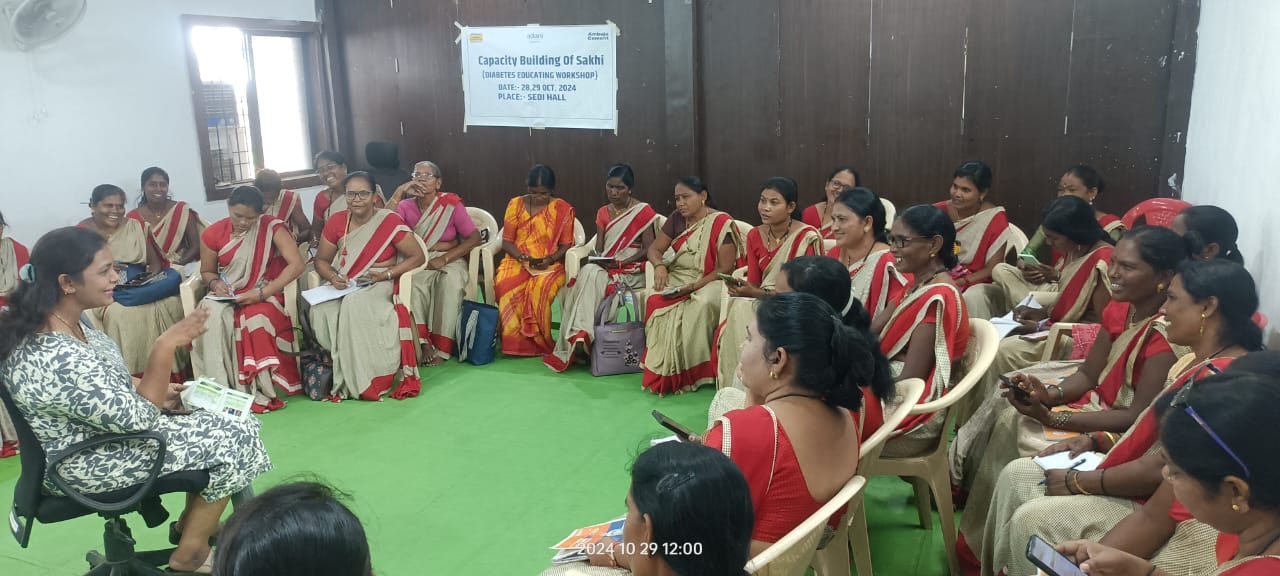
Looking ahead, Ambuja Foundation remains committed to strengthening training across all programmes — from cancer screening and mental health to agriculture and water. At the heart of this commitment is the belief that training is not a one-off event but a continuous investment in people. When frontline workers gain skills and confidence, they become catalysts for change in their own villages.
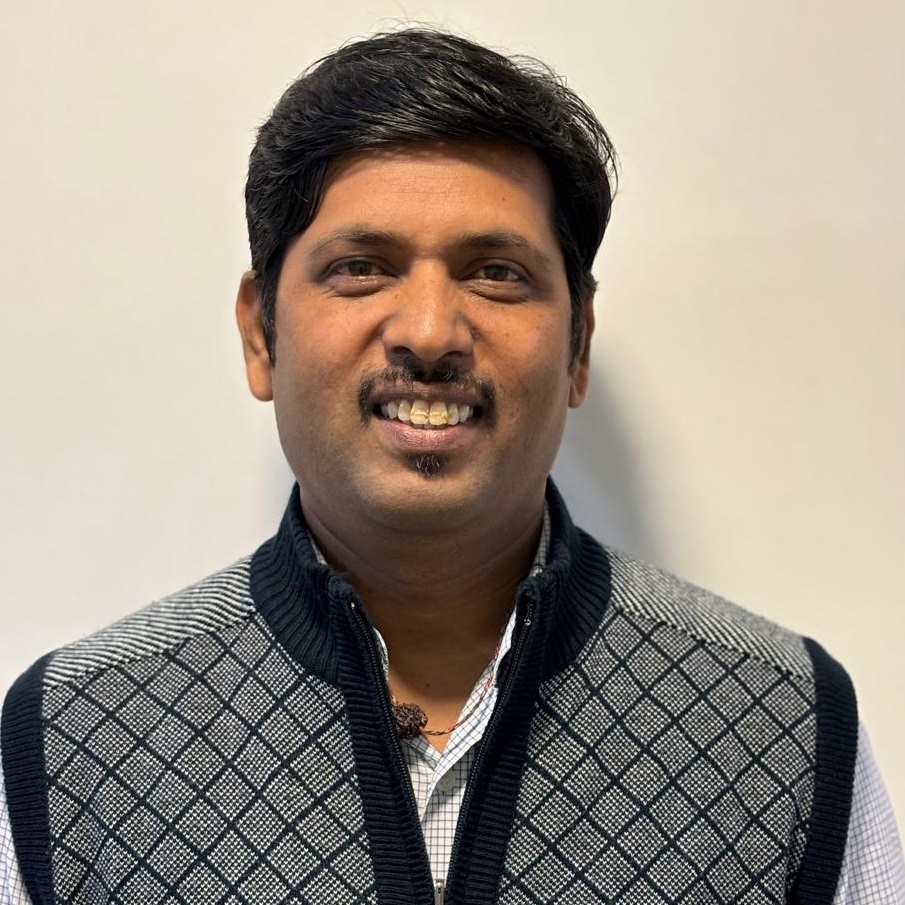
Dr. Vinayak Sonawane is the Associate Director - Health at Ambuja Foundation.