


Every leader has a story.
Chandrakant Kumbhani's begins not in a boardroom, but on a rainfed farm in Gujarat, where, as a young boy, he helped grow and sell the produces in a nearby market.
Agriculture wasn't simply what the family did. It was their only source of income. Supporting a family of five from a small farm was never easy, yet Chandrakant's parents were determined that all three of their children would be educated. Their faith in education would ultimately change the course of his life, leading him to study Agricultural Engineering and setting him on a path that would eventually lead him to the helm of Ambuja Foundation.
"Farming wasn't just our livelihood—it was our way of life," Chandrakant reflects. "I didn't realise it then, but those years on the farm shaped who I am. They taught me resilience, responsibility and gave me an understanding of rural communities and their reality that has stayed with me throughout my career."
Today, more than three decades later, Chandrakant leads an organisation working with over 6.73 million people across rural India. Before taking on the role of CEO, he served as Chief Operating Officer – Community Development, where he played a pivotal role in expanding Ambuja Foundation's footprint across the country and shaping its evolution from a single-donor foundation into a partnership-driven organisation working alongside governments, corporates and development partners.
For someone who has spent his career working alongside rural communities, development has never been an abstract idea. It has always been deeply personal.
An unexpected beginning
Chandrakant's path into development was, in his own words, "accidental."
After completing his degree from Gujarat Agricultural University, Junagadh, jobs were scarce. Like many graduates, he was simply looking for an opportunity when the reputed NGO - Aga Khan Rural Support Programme (India) visited his campus for recruitment.
"I wasn't planning a career in development," he smiles. "Someone else didn't join, and I got the opportunity instead. The rest is history." It proved to be a defining moment.
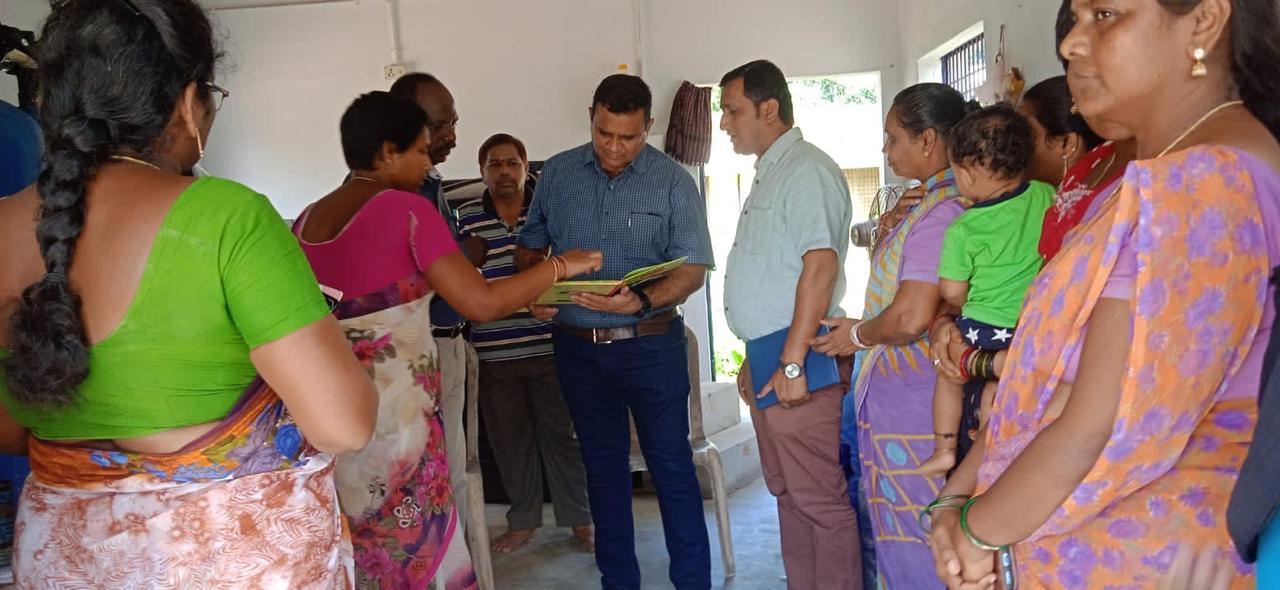
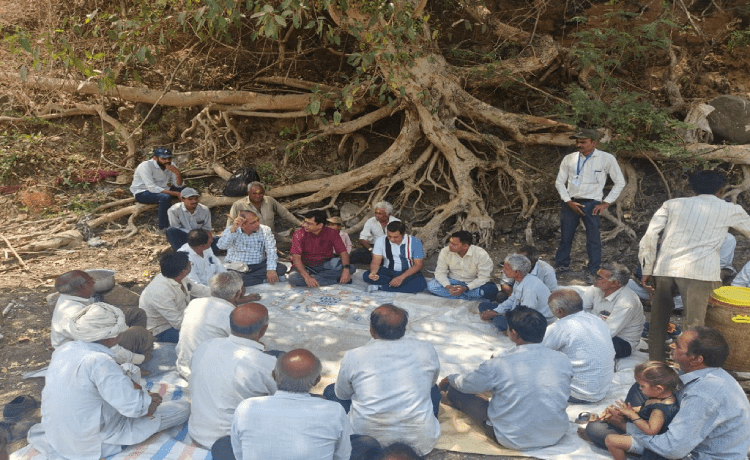
For the next nine years, he worked across some of Gujarat's most challenging landscapes—from tribal communities to the desert regions of Kutch—helping communities strengthen their resilience through watershed development, drought-proofing promoting participatory approaches to natural resource management.
"Those years shaped my understanding of rural development," he says. "The organisation believed deeply in community participation, gender equity and community institutions building. Whatever I learnt there became the foundation of how I think about development today."
Those formative years immersed him in participatory development, institution building and community ownership—principles that continue to define his leadership today.
Growing with Ambuja Foundation
In 2005, after nearly a decade with the Aga Khan Rural Support Programme, Chandrakant accepted what he thought would simply be a new challenge—a Programme Coordinator role at Ambuja Foundation in Ambujanagar, Kodinar, Gujarat.
At the time, the Foundation was working in just - eight-nine locations across 7 states. "I didn't know much about Ambuja Foundation," he says. "I knew it was supported by Ambuja Cement and worked with communities around the plants. I wanted to experience a different kind of organisation."
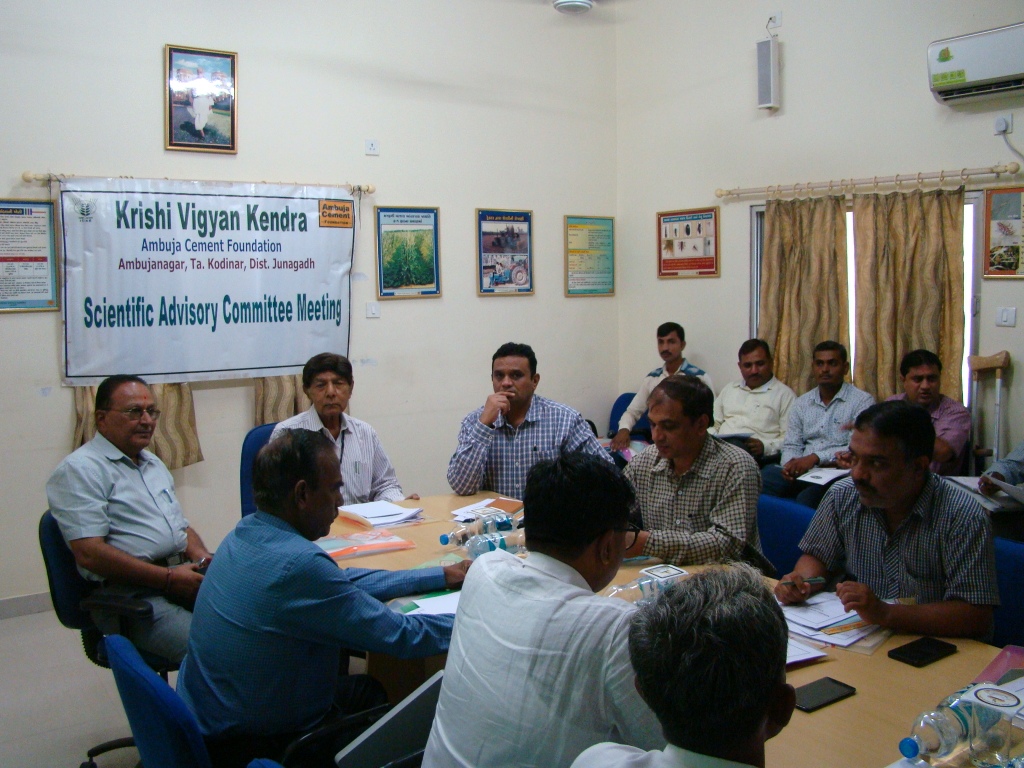
What he found surprised him. "I expected it to be very different from the development organisations I had worked with. But many of the people came from the same sector, and the focus on communities was just as strong. The transition was remarkably smooth." Over the next twenty years, Chandrakant's journey became closely intertwined with Ambuja Foundation's own evolution.
From Programme Coordinator, he became Programme Manager in Kodinar, later leading operations across Gujarat before taking responsibility for multiple states. In 2011 he moved into a national leadership role, eventually becoming General Manager, Vice President, Chief Operating Officer—and now Chief Executive Officer.
As the Foundation expanded into new geographies and thematic areas, Chandrakant helped shape that growth. He played a central role in strengthening programme architecture, forging strategic partnerships and ensuring that successful community models could be replicated and scaled across the country.
Along the way, he also witnessed some of the Foundation's defining moments.
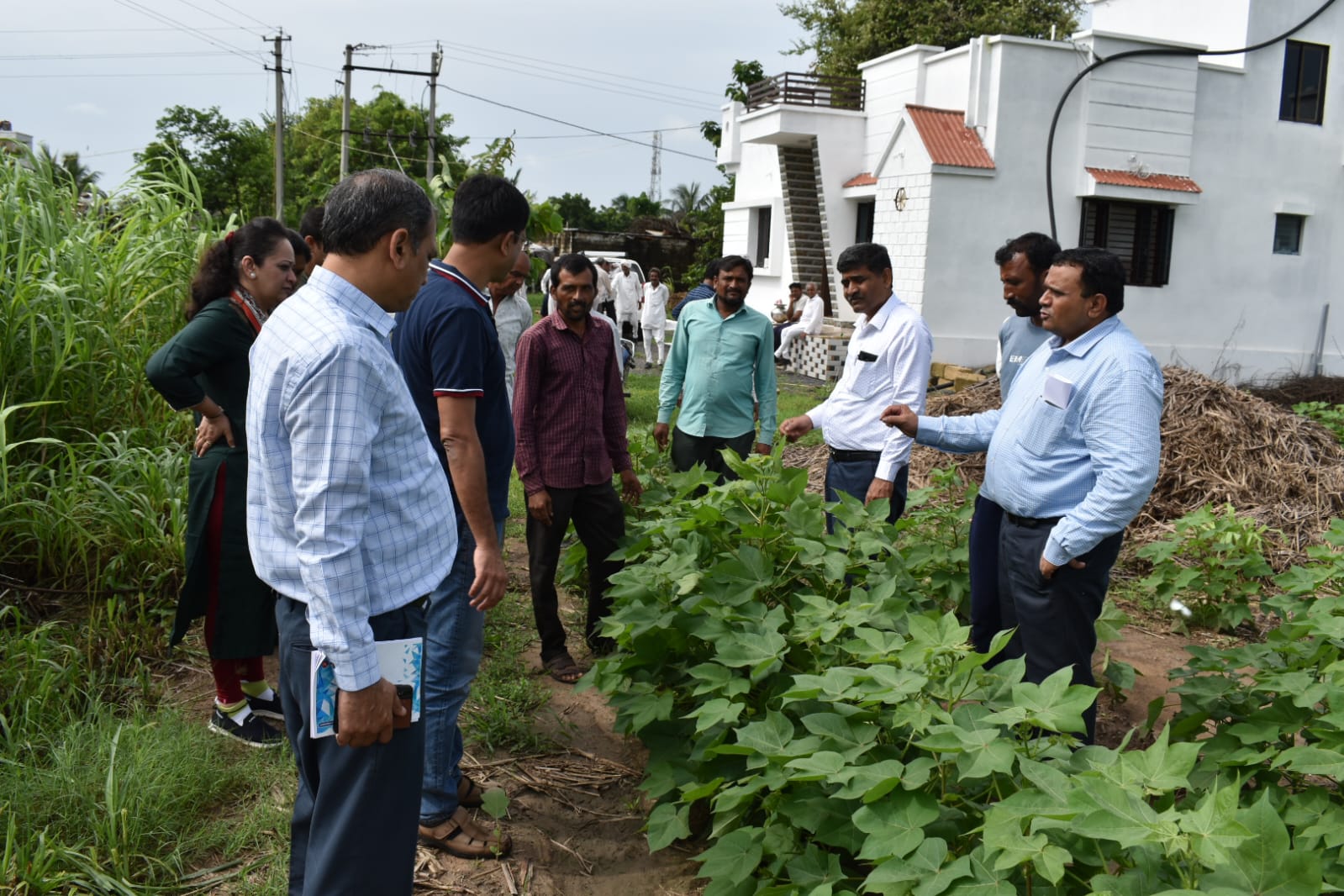
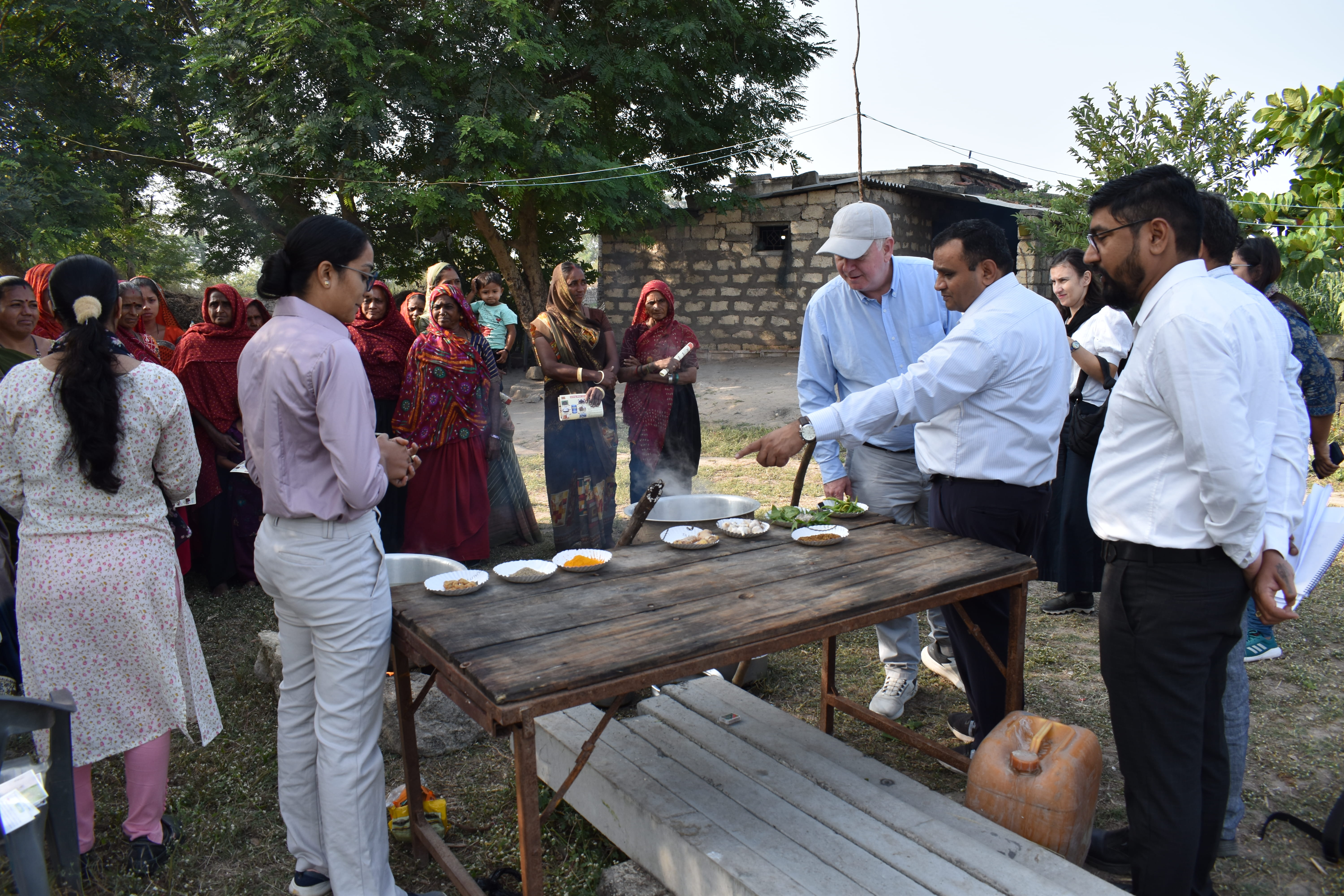
One was the organisation's growing recognition that water alone wasn't enough. "We realised that if we improved water availability, we also had to improve agriculture," he explains. "That meant demonstrations, farmer knowledge, better practices and productivity. That's when agriculture really began to evolve into the programme it is today."
Another milestone came with Ambuja Foundation's partnership with Better Cotton Initiative.
"It gave us a framework that transformed how we approached sustainable agriculture. Many of the principles and learnings from that journey continue to shape our work today."
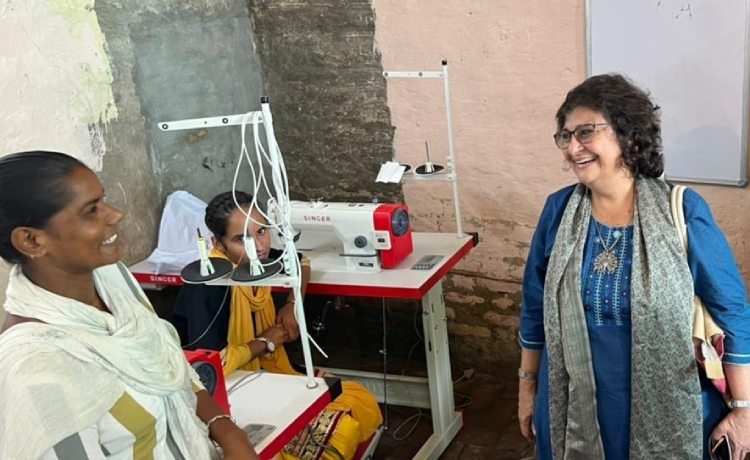
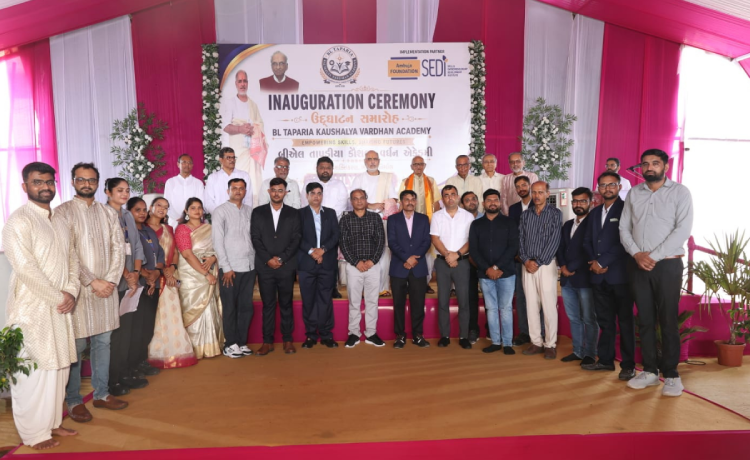
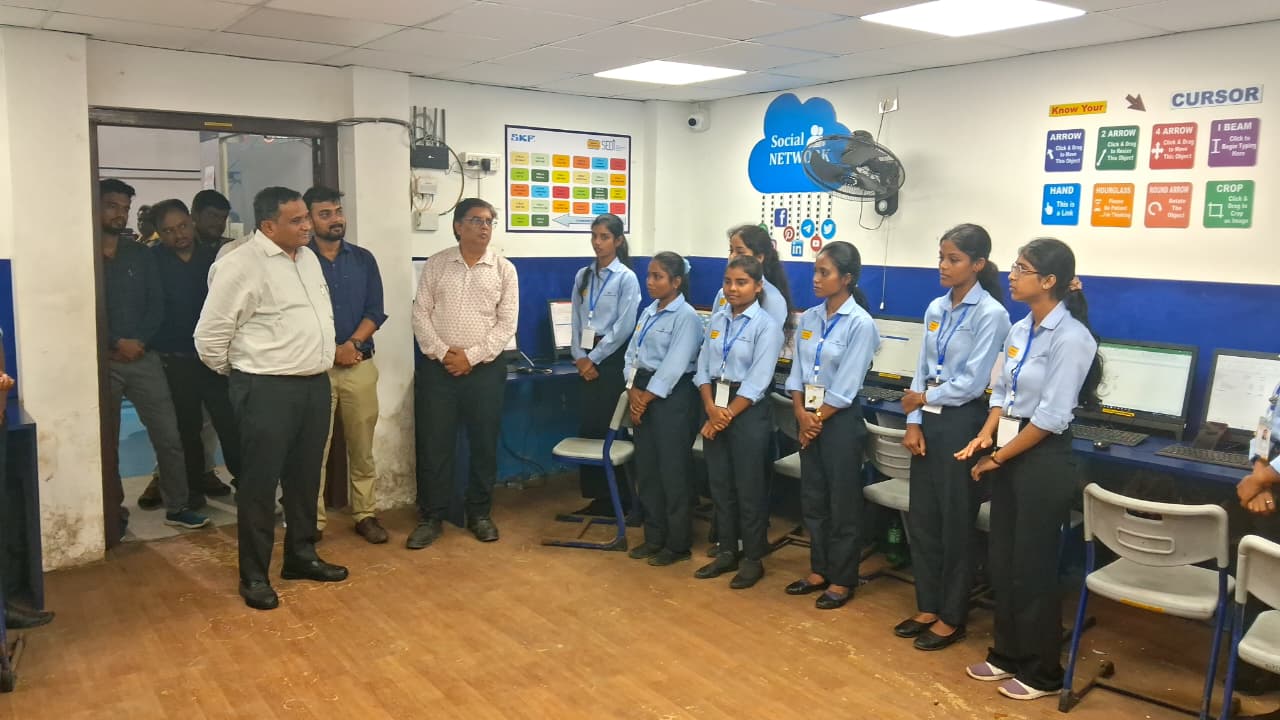
Another defining moment was the decision to initiate vocational training to address the challenge of employment. What began as effort to create new livelihood opportunities has today evolved into a flagship programme and a central pillar of the Foundation's livelihoods strategy alongside agriculture.
The stories that stay with him
Ask Chandrakant about the moments he remembers most, and he doesn't begin with organisational milestones or programme statistics.
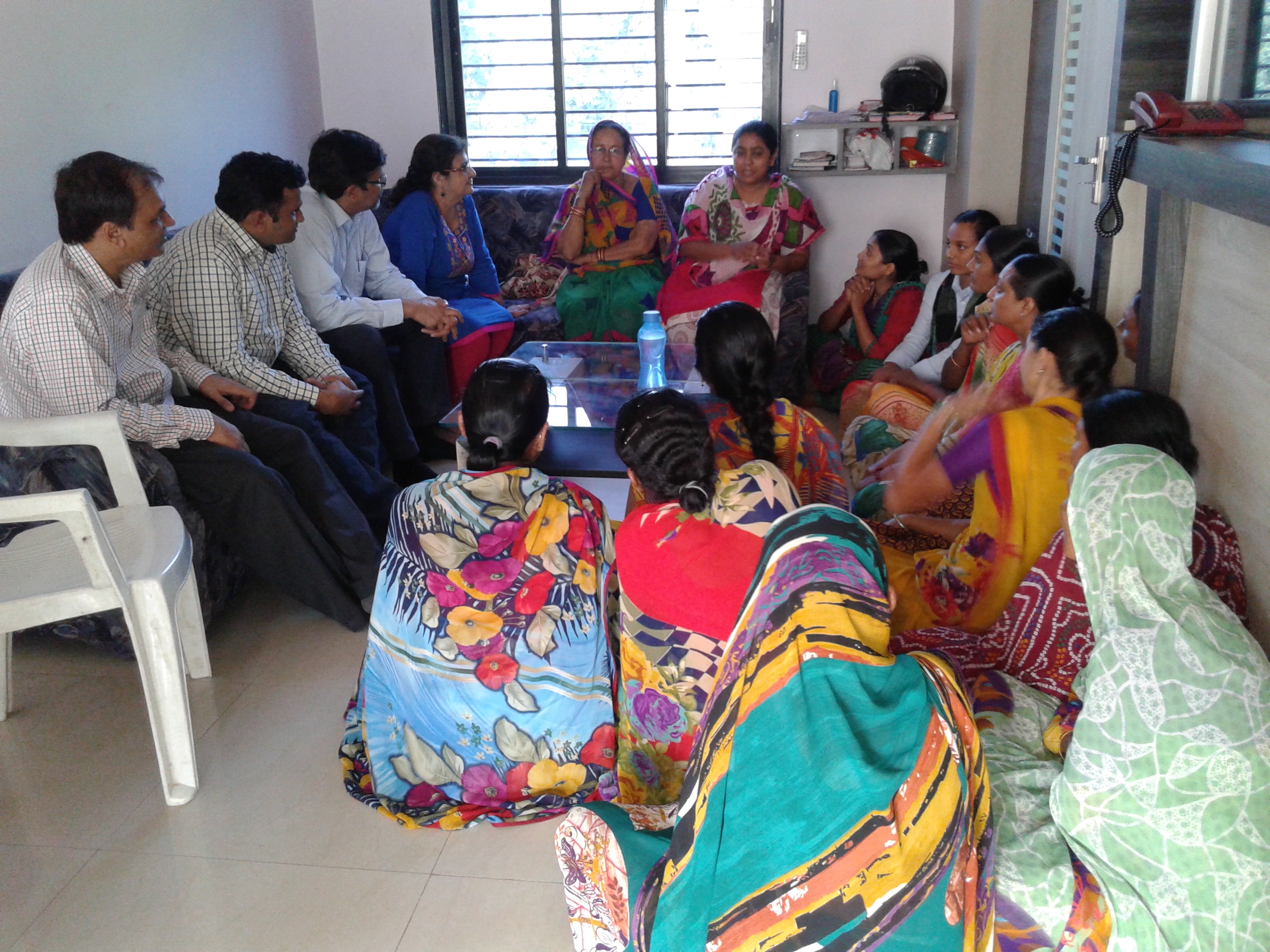
He remembers a small group of women in Kodinar.
When local dairy farmers struggled to find a reliable market, a newly formed Self Help Group decided to establish its own dairy cooperative. Together, the women created a market where none had existed before.
"It was inspiring to see women taking the lead," he says. "That small beginning eventually grew into a federation that today connects nearly 12,000 women. It reminds me that lasting change often starts with just a few people deciding to work together."
For Chandrakant, that story captures something fundamental about development: when communities organise themselves, transformation becomes both sustainable and scalable.
Leading Beyond the Foundation
Chandrakant's contribution extends beyond Ambuja Foundation itself. He has served on the Governing Council of the Better Cotton Initiative, contributing to global discussions on sustainable cotton production, and is a Board Member of the Coastal Salinity Prevention Cell, offering strategic guidance on water stewardship, sustainability and climate resilience.
He has also completed the prestigious Swedish Institute Management Programme on Sustainability, further strengthening his global perspective on leadership and sustainable rural development.
Looking ahead
Having spent his entire career working alongside rural communities, Chandrakant believes the challenges facing agriculture are becoming more complex than ever.
Climate change, fragmented landholdings and declining interest among young people in farming are reshaping rural India. Yet he remains optimistic.
"I still see tremendous hope," he says. "Communities continue to adapt. People are willing to innovate when they have the right support." Throughout his career, Chandrakant has remained guided by one simple belief: lasting development cannot be delivered to communities - it must be built with them.
He sees communities not as beneficiaries, but as partners and co-creators of change - an approach that has shaped Ambuja Foundation's work for two decades and will continue to guide its future.
As CEO, he believes Ambuja Foundation is entering one of the most exciting chapters in its history. "We've evolved from being supported by a single donor to becoming a multi-donor organisation working across thousands of villages. We have built strong grassroots experience and practical solutions." His ambition now is to build on that foundation.
"The future is about continuously evolving to respond to emerging challenges - whether that's climate resilience, livelihoods or employment. We have an opportunity to grow further while staying true to what has always made us different: our deep connection with communities."
As Ambuja Foundation works towards Chairman Narotam Sekhsaria's vision of becoming one of India's leading development organisations contributing toward building a prosperous rural India, Chandrakant believes success will be measured not only by the Foundation's growth, but by the strength of the community-owned solutions it leaves behind.
A leader who never forgot where he came from
Perhaps that's the most remarkable thing about Chandrakant Kumbhani's journey.
From a childhood spent helping his father sell vegetables in a village market, to leading one of India's largest rural development organisations, he has never lost sight of where he came from.
Because for Chandrakant, rural India has never been a programme area or a line in a strategy document. It has always been home. And that's exactly what makes him the kind of leader Ambuja Foundation needs for the journey ahead.