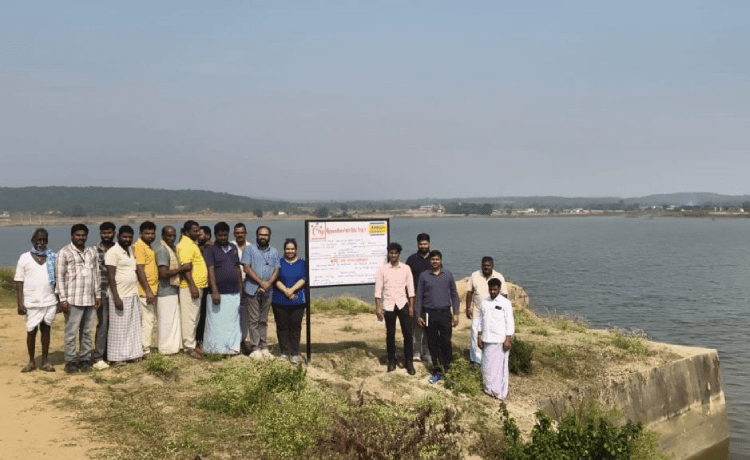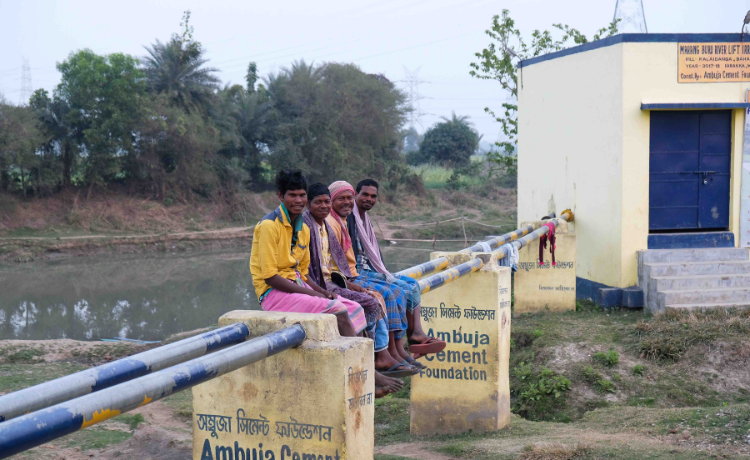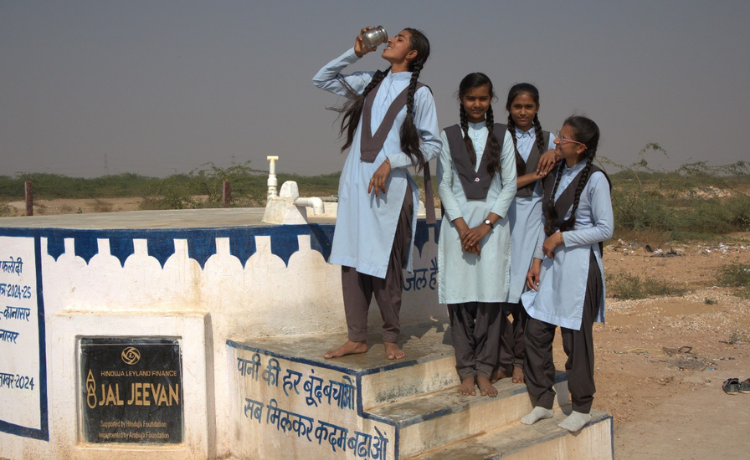



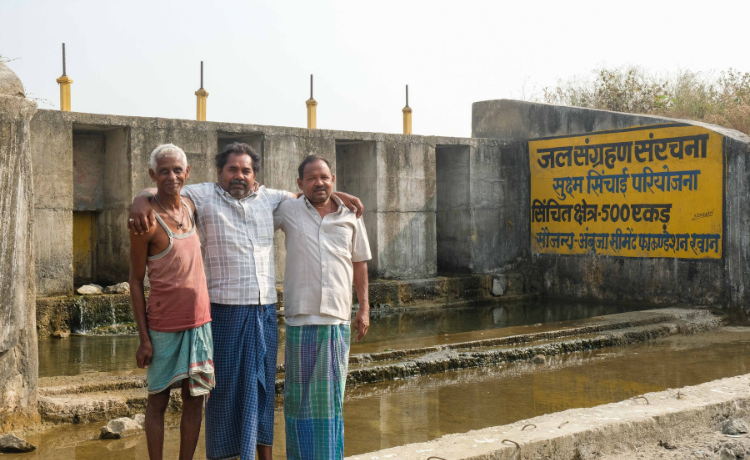
Ambuja Foundation’s water resource management (WRM) and rural infrastructure development (RID) initiatives have delivered transformative results in Baloda Bazar, Chhattisgarh, according to a recent impact assessment and Social Return on Investment (SROI) study conducted by CRISIL. The study, covering the period 2022–23 and 2023–24, revealed an impressive SROI value of Rs. 10.12, signifying that every Rs. 1 invested generated Rs. 10.12 of social value. In other words, the study confirms 10x social returns from the water and rural infrastructure programs launched and executed by Ambuja Foundation in the state.
Supported by Ambuja Cements Ltd./Adani Cement, the interventions have strengthened water security, improved agricultural productivity, enhanced infrastructure, and uplifted community well-being across 10 villages surveyed. A total of 252 respondents, largely from marginalized, low-income backgrounds, shared their experiences of the positive changes brought about by these initiatives.
Key Findings from the CRISIL Study:
- SROI: every Rs. 1 invested produced Rs. 10.12 in social value.
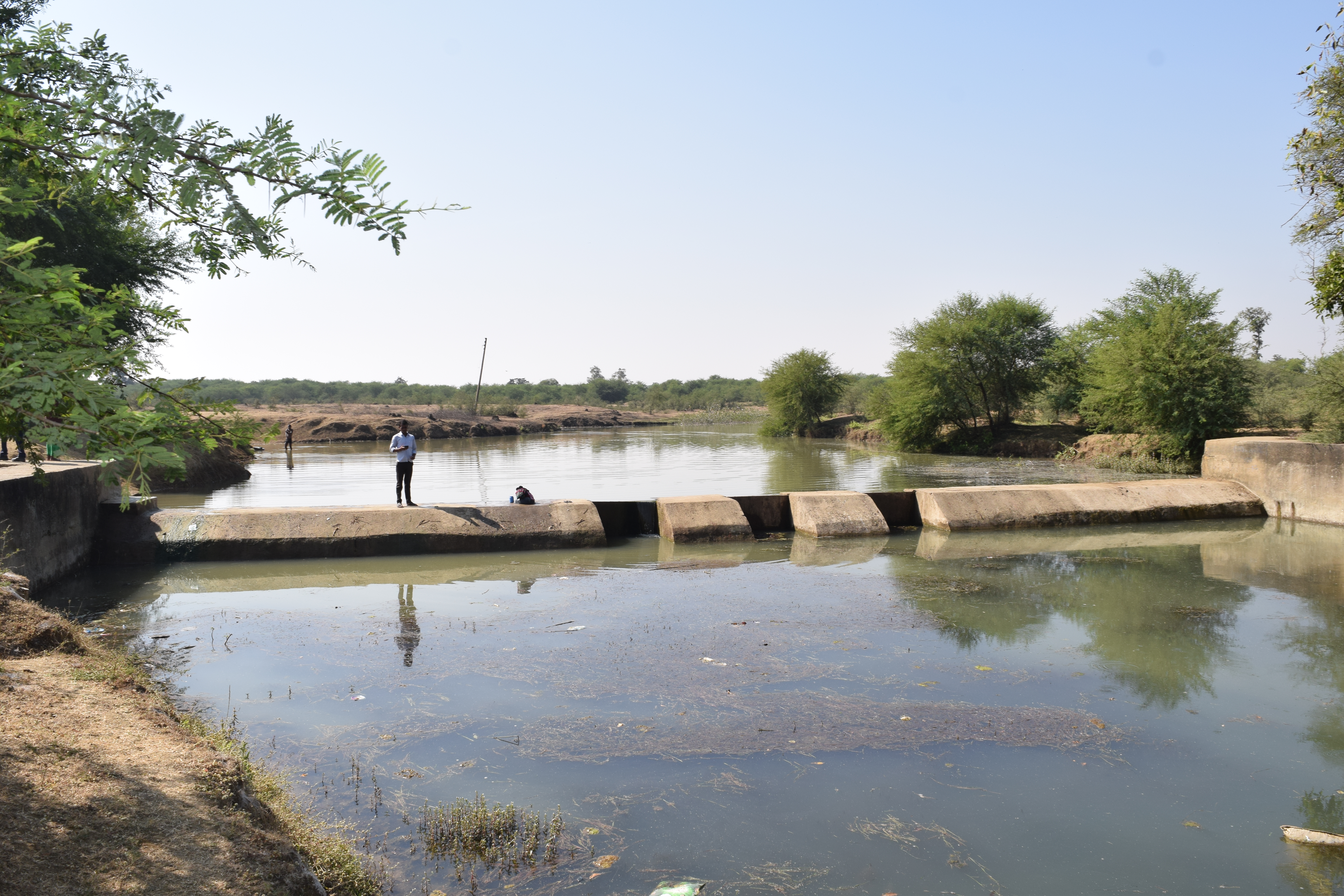
- Additional Water Storage: 220,033 cubic metres of additional water storage created through harvesting and recharge structures.
- Reduced Water Scarcity: Household water scarcity fell from 46% to just 4%, a 37% reduction.
- Water sufficiency levels: The daily water consumption of households (average family size of 7) increased from 193 litres to 258 litres. Average increase of 9.32 litres per member in the family.
- Time Savings: Daily water-fetching time reduced from 55 minutes to 12 minutes.
- Improved Irrigation: Adoption of sprinkler irrigation rose from 6% to 22%; canal irrigation increased from 16% to 64%.
- Agricultural Gains: average irrigated land increased from 2.70 acres to 3.34 acres; single-cropping decreased by 22%, while double-cropping increased by 18% and mixed-cropping rise by 4%.
- Primary household water sources: own borewells increased from 23% to 47%; community borewells from 69% to 81%; private household taps rose from 38% to 69%.
- Rural Infrastructure: Construction of cement concrete roads improved connectivity for 96% of respondents, reduced travel time, and boosted access to essential services.
- Education & Health Benefits: Improved school infrastructure created safer, more hygienic learning environments; students’ attendance rose by at least 2 days per month; 60% of respondents reported better health due to reduced waterborne diseases and lower medical expenses (average savings of Rs. 1,180).
- Social Inclusion: Renovated community halls and Rangmanchs enhanced social and cultural engagement, while upgrades to the District Divyang Centre improved healthcare access for people with disabilities including improved local access to physiotherapy, speech therapy, and education services.
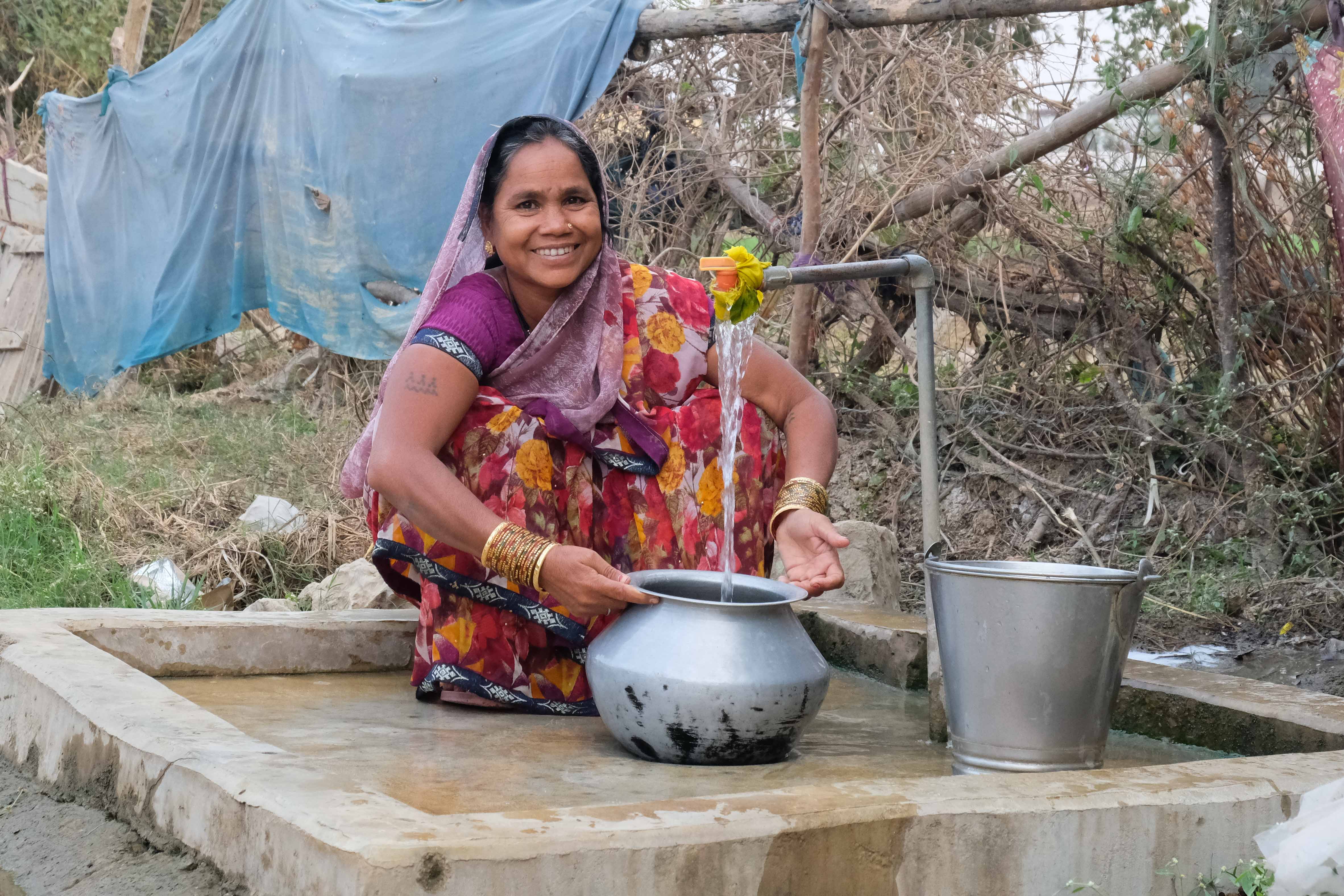
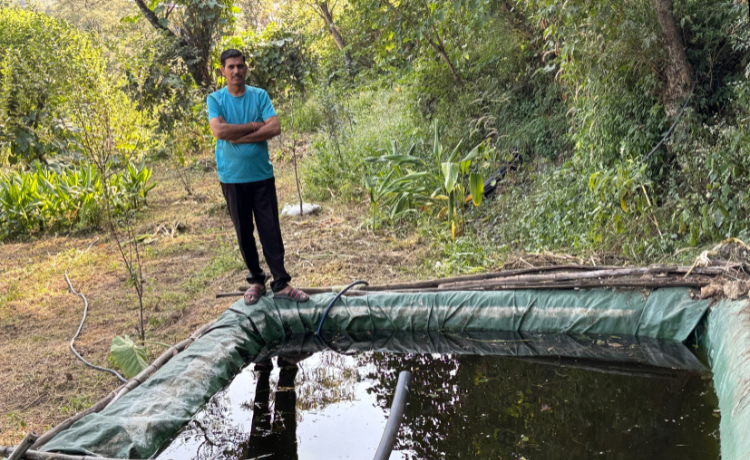
Respondents highlighted the tangible improvements—fully functional ponds, potable borewell water, and reliable irrigation canals—that have transformed daily life. Household water sources have shifted towards cleaner groundwater, with private taps rising from 38% to 69%, reducing drudgery and improving quality of life.
Building on these achievements, Ambuja Foundation aims to further strengthen community ownership of water infrastructure by building water user groups and providing training; expand infrastructure such as rainwater harvesting systems and alternative irrigation methods; and integrate WRM with livelihoods by promoting less water-intensive crops and sustainable agricultural practices among farmers.
“Water is the foundation of rural resilience in the face of climate change. The findings of this CRISIL study clearly demonstrate how community-led water and infrastructure interventions can transform lives—reducing drudgery, improving farm productivity, strengthening health and education, and enhancing overall quality of life. These results validate our community-driven approach and reaffirm our commitment to building long-term, sustainable solutions for water security and rural development,” said Pearl Tiwari, CEO, Ambuja Foundation.