


April 26, 2023

Empowering Women Through Water – Sujal Jankars

In rural India, where people are dependent on groundwater or weekly municipal water supply, getting fresh water every day is a major household chore, mostly shouldered by women. On an average, it takes about three hours to fetch water to meet the needs of a family of four - a rough estimate for when the water source is within a 2 to 5 km radius.


In rural Rajasthan, however, the number can go up to four hours, including the time for travel on foot. This is because in places like Rajasthan the groundwater table is reported to be going down by a meter a year! Yet, the water demands of the population continue to increase – currently outstripping supply by about 30%. In such a situation, programs aimed at education, literacy and other social welfare fall by the wayside since at least half of the community is focused on fulfilling basic needs, like fresh drinking water.

uploaded picture


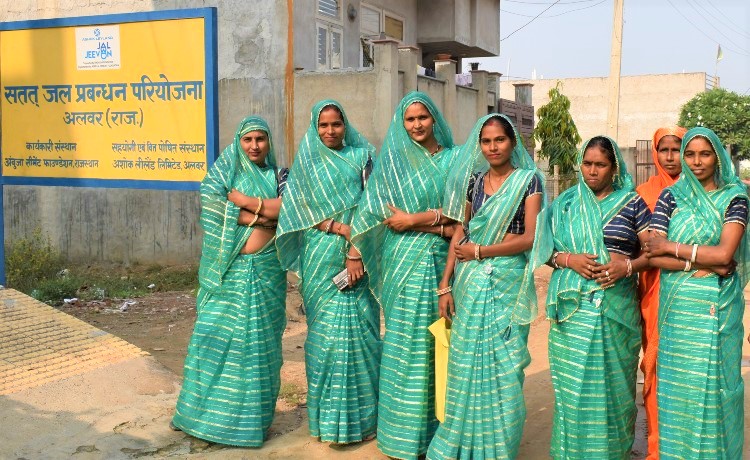
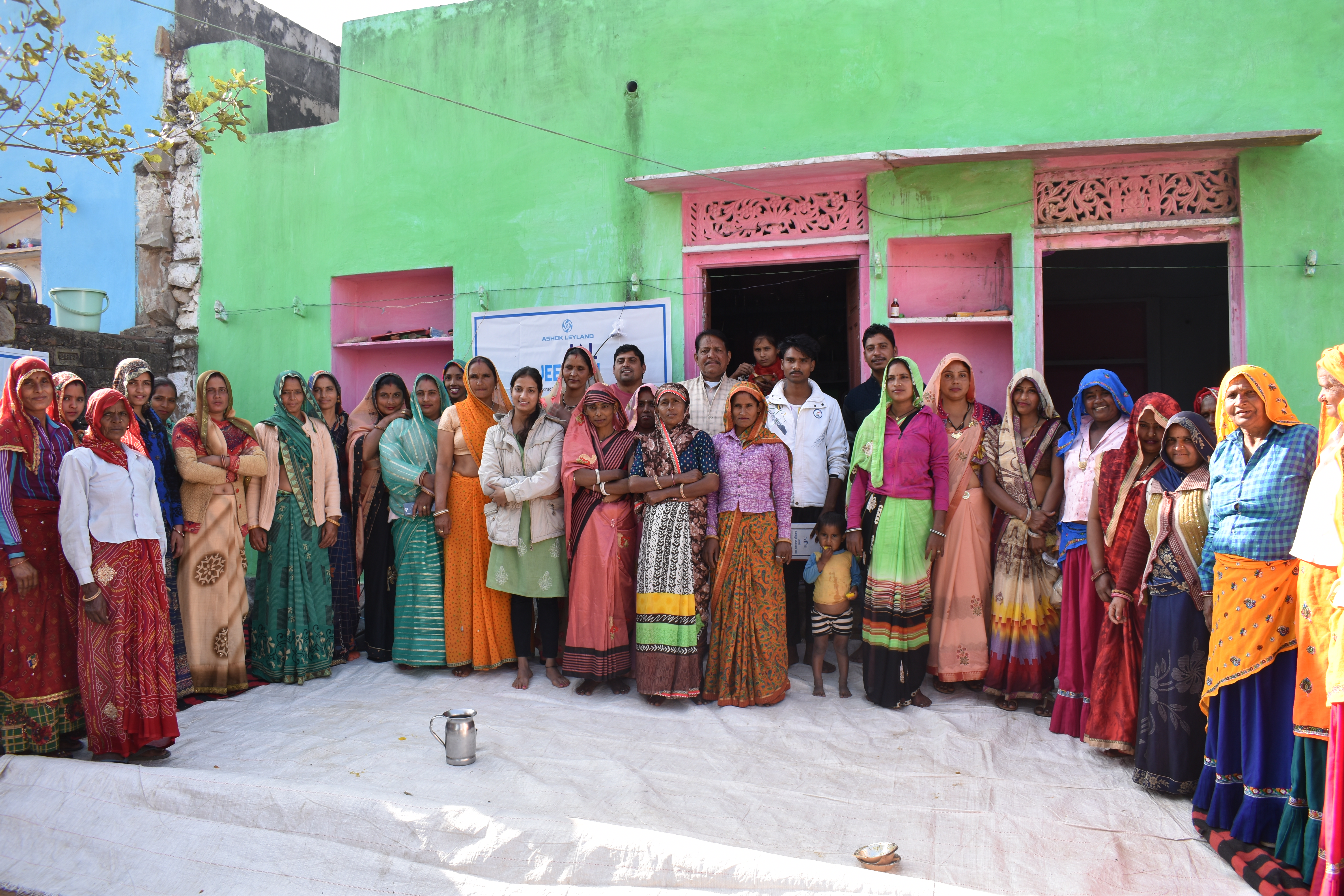
All thanks to the support of Ashok Leyland, Ambuja Foundation began to identify women volunteers - especially women farmers - from each village of Alwar district of Rajasthan to become ‘water leaders’ to drive this cause - calling them ‘Sujal Jankars’.


Ambuja Foundation is the implementation partner of Ashok Leyland, carrying out sustainable water resource management initiatives in communities surrounding the Ashok Leyland plant.


This small band of women are in charge of collectivize women to create greater awareness on the efficient use of rainwater; promote the installation of Rooftop Rainwater Harvesting Systems; measure and track drinking water levels; monitor the quality of water to ensure safe drinking water access; and promote female hygiene management.


This program operates on the core belief that a women-centric, bottom-up approach is the most effective way for grassroots-level change. Putting women at the centre, and in the spotlight, automatically transfers the power to them. All that’s needed further is a comprehensive education program to ensure this power is used responsibly.


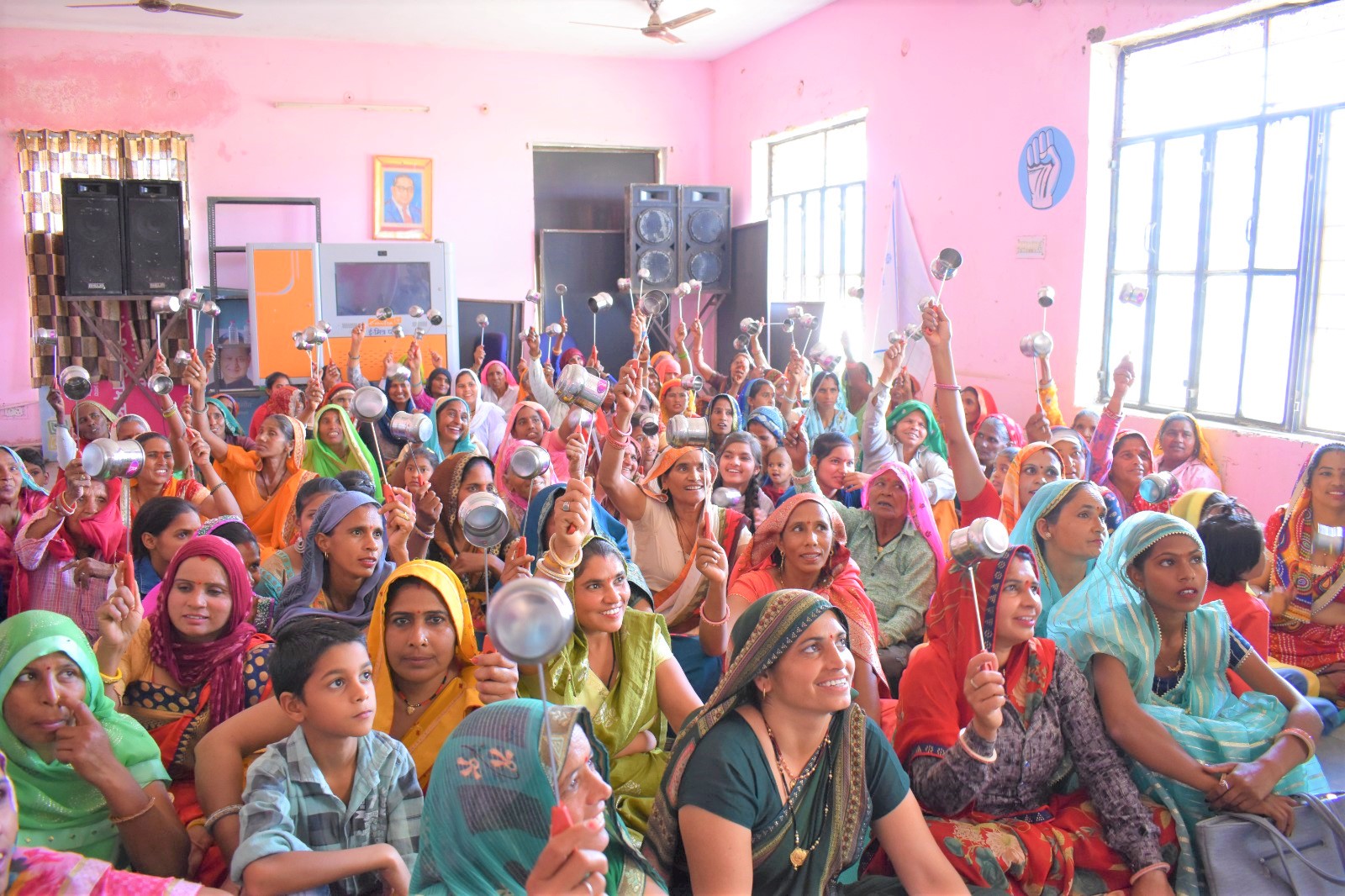
Completely led by women, the Sujal Jankar movement (part of Ambuja Foundation’s Participatory Groundwater Management Program) began to mobilise women to discuss the water issues faced in communities. This group, called Sujal Mahila Sangh, met to collectively address issues on water scarcity, available government schemes and personal hygiene.

uploaded picture


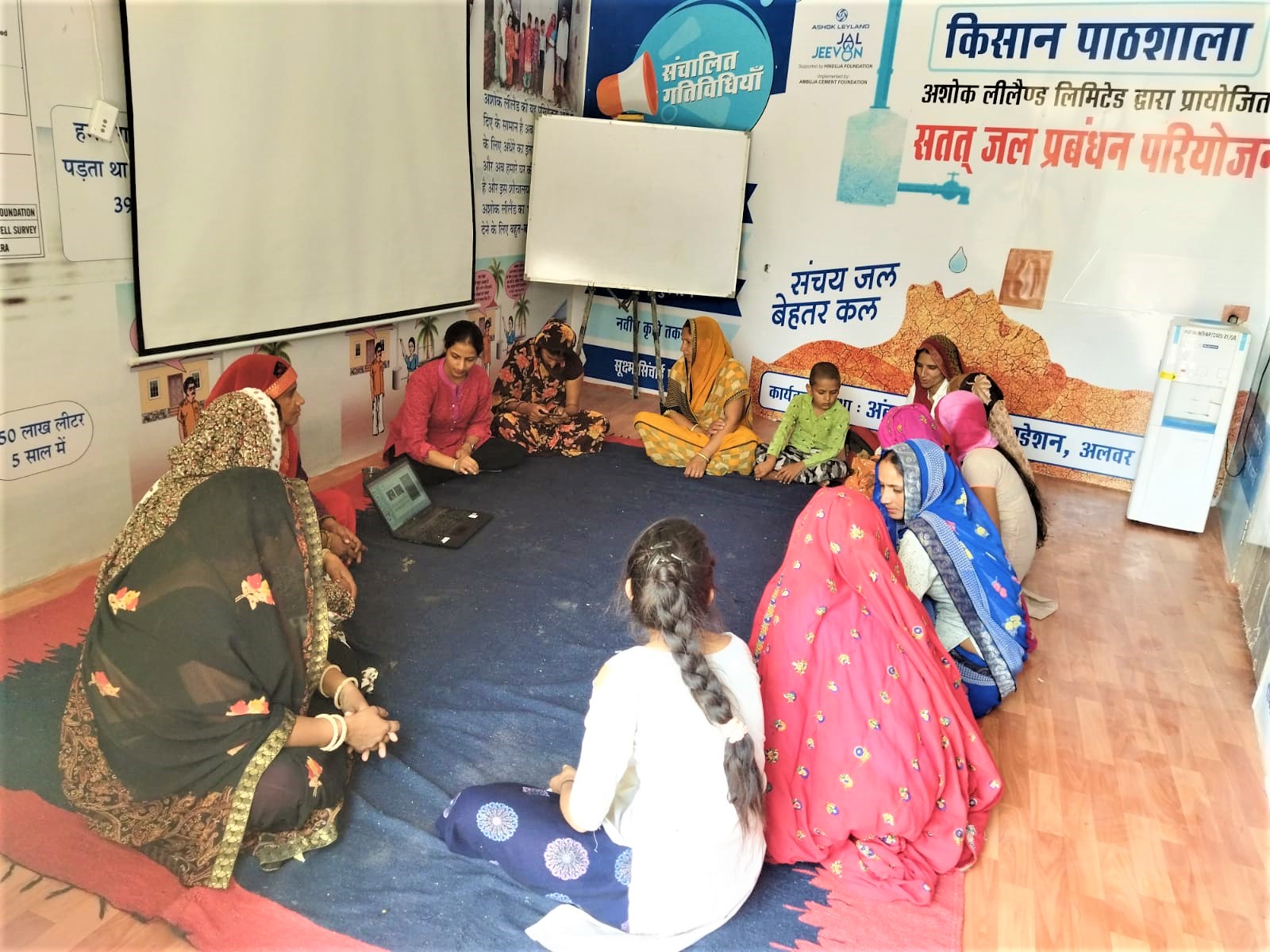
Apart from spreading awareness about our most critically endangered resource, water, the group also serves as a larger platform for starting conversations about women’s issues in general. By using water as a starting point for dialogue and action, broader conversations about empowering women on all levels were enabled.


In many communities, gender or caste-based discrimination may prevent certain groups from accessing clean water sources due to social and cultural taboos. Sujal Jankars ensure that members of traditionally marginalized groups are included in groups like Sujal Mahila Sangh also, to subvert these social barriers.

uploaded picture


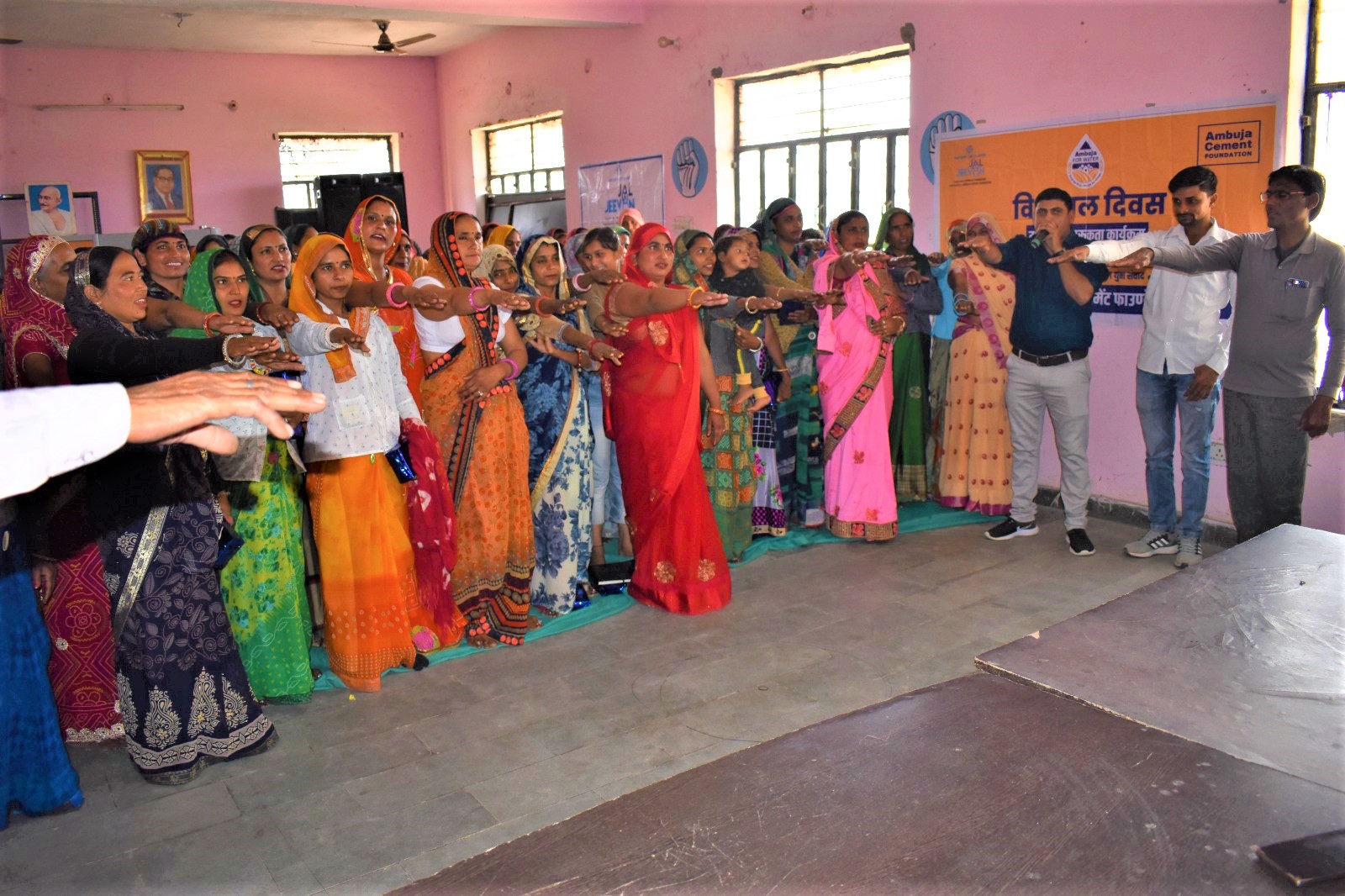
To date, the Sujal Jankars have conducted over 200 trainings, which have raised awareness among over 3300 women about safe drinking access, menstrual hygiene management, and other women's rights. Further, Sujal Jankar members conduct regular meetings with SHG members, to provide women with accurate information on these issues and other Ambuja Foundation project interventions.


True change can only be affected when the cause is significant in a community’s life – and in a state like Rajasthan, there is no more significant issue than water. But by using water as a starting point for engagement and conversation, other social issues can come to the fore also. With an empowered set of Sujal Jankar women leaders, they can take up these issues also, in collaboration with other women in the community


Let us wait and watch to see what change the Sujal Jankars bring about next …

uploaded picture

Tags: Water, Women
April 26, 2023

RELATED POSTS
  • Pearl Tiwari on CNNs 'Jal Daan'
    February 13, 2017
    Ambuja Foundation's Director, Pearl Tiwari, featured on CNN in December 2016 as part of Aquaguard & Network 18's 'Jal Daan' program - a 6 month national awareness campaign to create cognizance and highlight the importance of water for both urban and rural India.
  • Water Forum - 22nd March, Ahmedabad
    February 13, 2017
    The availability and sustainable management of water and sanitation for all will be the key agenda for discussion at the upcoming WATER FORUM, facilitated by Ambuja Foundation on 22nd March 2017 in Ahmedabad, Gujarat.
  • Ambuja Foundation Unites Leaders for 'World Water Day'
    April 28, 2017
    Ambuja Foundation commemorated the World Water Day 2017 by bringing together 133 leaders in Water Resource Management from across the country for 'A Participatory Dialogue on Co-creating Water Positive Communities - Exploring Synergies, Sharing Solutions'.
  • World Women's Day Celebrations
    April 28, 2017
    Thousands of women from across Ambuja Cement Foundation Communities came together to celebrate World Women's Day on 8th March 2017 with a variety of events to highlight the role of women in catalyzing change in their communities, and generating prosperity within the family.
  • Girls as Breadwinners!
    July 06, 2017
    Its World Skills Day this month and to celebrate, we applaud the power of women as family bread-winners and earners.
An Opportunity to Support
SUBSCRIBE TO OUR NEWSLETTER & BLOGS
Stay updated on the latest insights from Ambuja Cement Foundation.
GET CONNECTED

Empowering Women Through Water – Sujal Jankars

In rural India, where people are dependent on groundwater or weekly municipal water supply, getting fresh water every day is a major household chore, mostly shouldered by women. On an average, it takes about three hours to fetch water to meet the needs of a family of four - a rough estimate for when the water source is within a 2 to 5 km radius.


In rural Rajasthan, however, the number can go up to four hours, including the time for travel on foot. This is because in places like Rajasthan the groundwater table is reported to be going down by a meter a year! Yet, the water demands of the population continue to increase – currently outstripping supply by about 30%. In such a situation, programs aimed at education, literacy and other social welfare fall by the wayside since at least half of the community is focused on fulfilling basic needs, like fresh drinking water.


uploaded picture


All thanks to the support of Ashok Leyland, Ambuja Foundation began to identify women volunteers - especially women farmers - from each village of Alwar district of Rajasthan to become ‘water leaders’ to drive this cause - calling them ‘Sujal Jankars’.


Ambuja Foundation is the implementation partner of Ashok Leyland, carrying out sustainable water resource management initiatives in communities surrounding the Ashok Leyland plant.


This small band of women are in charge of collectivize women to create greater awareness on the efficient use of rainwater; promote the installation of Rooftop Rainwater Harvesting Systems; measure and track drinking water levels; monitor the quality of water to ensure safe drinking water access; and promote female hygiene management.


This program operates on the core belief that a women-centric, bottom-up approach is the most effective way for grassroots-level change. Putting women at the centre, and in the spotlight, automatically transfers the power to them. All that’s needed further is a comprehensive education program to ensure this power is used responsibly.


Completely led by women, the Sujal Jankar movement (part of Ambuja Foundation’s Participatory Groundwater Management Program) began to mobilise women to discuss the water issues faced in communities. This group, called Sujal Mahila Sangh, met to collectively address issues on water scarcity, available government schemes and personal hygiene.


uploaded picture


Apart from spreading awareness about our most critically endangered resource, water, the group also serves as a larger platform for starting conversations about women’s issues in general. By using water as a starting point for dialogue and action, broader conversations about empowering women on all levels were enabled.


In many communities, gender or caste-based discrimination may prevent certain groups from accessing clean water sources due to social and cultural taboos. Sujal Jankars ensure that members of traditionally marginalized groups are included in groups like Sujal Mahila Sangh also, to subvert these social barriers.


uploaded picture


To date, the Sujal Jankars have conducted over 200 trainings, which have raised awareness among over 3300 women about safe drinking access, menstrual hygiene management, and other women's rights. Further, Sujal Jankar members conduct regular meetings with SHG members, to provide women with accurate information on these issues and other Ambuja Foundation project interventions.


True change can only be affected when the cause is significant in a community’s life – and in a state like Rajasthan, there is no more significant issue than water. But by using water as a starting point for engagement and conversation, other social issues can come to the fore also. With an empowered set of Sujal Jankar women leaders, they can take up these issues also, in collaboration with other women in the community


Let us wait and watch to see what change the Sujal Jankars bring about next …

uploaded picture

LinkedIn Post
Ambuja Foundation