


When it comes to community development, our aim is to reach out to the bottom of the pyramid – and often the first port of call in reaching them is via local community leaders. But this strategy alone is fraught with challenges, as local influences and other biases mean that often the truly poor, are overlooked.
According to Ambuja Foundation’s top leadership – Ravi Nayse (VP Skills) and Chandrakant Kumbhani (VP Community Development), it’s up to us as rural development practitioners to think outside the box and adopt a variety of strategies to ensure that the most marginalised get engaged in programs. Here are their top tips on reaching, and engaging with them:
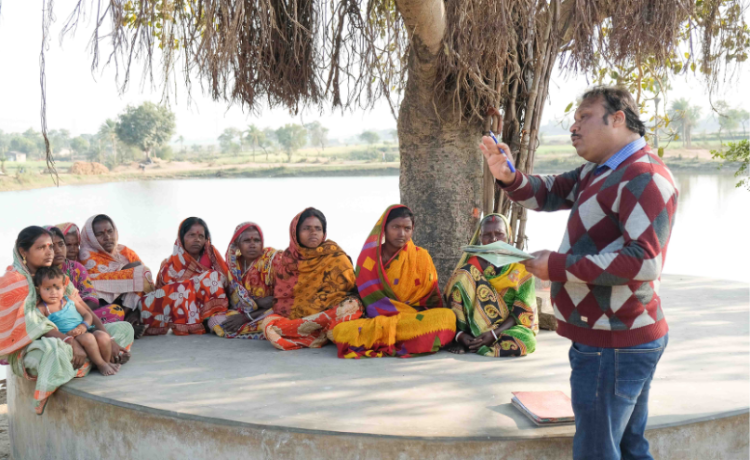
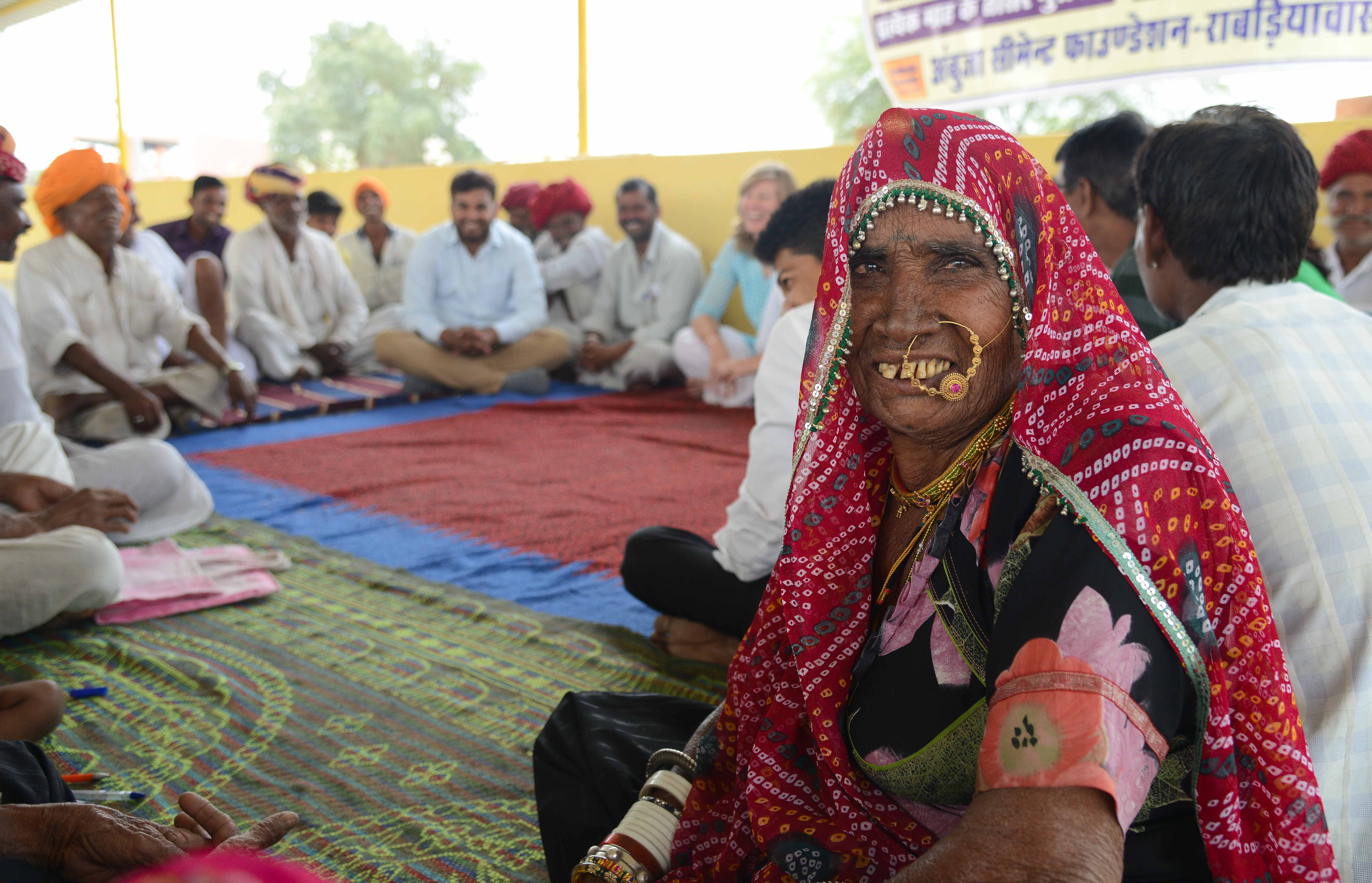
1. Access Via Community – “Instead of going through a leader, we can understand, through various PRA techniques and informal discussion with community, who is the poorest from within the community itself.” Ravi Nayse says. “ Once you start discussions with various groups and sectors in the community, you can ask for varied opinions about who are the most needy within the community. This strategy alone helps cast a wider net than merely taking the advice of community leaders.”
2. Harnessing the Power of Self Help Groups as an Entry Point - According to Chandrakant Kumbhani, one of the most effective, proven strategies to engage the most marginalised, is the Self Help Group. “By forming Self Help Groups of women, the poor can start interacting in small peer groups, adopting the financial discipline of saving and kickstarting micro credit by building capital for small loans.” Chandrakant said. “This helps engage them in something that meets immediate needs and forms a network of support whereby they can transition into other activities such as income generation and accessing required capital from the bank.”
3. Be Willing to Change Your Approach - “Families that are living below poverty line are mostly involved in earning daily wages, so they have zero time for discussing or getting involved in Community Development processes – because priority is always their daily earning,” both Ravi and Chandrakant stress. “We therefore need to change our approach and reach out to them early morning or late evening if we are to be successful in engaging them,” said Ravi Nayse.
“Another key challenge that inhibits their engagement is their confidence level.” Ravi further said. “They are often the first generation in their families to come forward and participate in the community - their vision and way of communicating does not allow them to express their views effectively, which means they are often side-lined,” he said. “It is up to us to recognise that, and find ways to involve them and seek their input, despite these obstacles.”
“It’s also necessary to tap into any government programs that can support them, so that they get that immediate ‘shot in the arm’ – providing some impetus and motivation to then explore engaging in other areas.
4. Understand Them & Meet their Needs – Once the most marginal are identified and reached, it is very important to first understand them – what is their asset base? Means of, and past experience in, livelihood? Immediate need? Their education and confidence levels. “By understanding this first, you can find an entry point to help engage them in a program that provides real and tangible support to them.” Mr Kumbhani explains.
“Perhaps they have a small land-holding, or some cattle – can we help them optimise these assets and generate more income. Or perhaps there is a need for skilling of some sort and support for kickstarting a micro-enterprise – if you can effectively engage them in one program, you can then also guide them and their families into other programs that broaden,” Ravi says.
“By understanding their current situation we can then build a program around them - identify opportunities to enhance existing livelihoods via skilling, handholding, and capacity building, access to finance via SHG or bank, access to market” Chandrakant said. “Doing that day in and day out over time helps elevate them and engage them in deeper activities to strengthen them and their families.”
5. Build an Ecosystem of Support Around Each Family – According to Ravi Nayse, we need to build an ecosystem around each family or person - to engage them and then take them through an evolution of programs – i.e. health, agriculture, skills, women, education. Efforts need to be made through all channels in the community to reach and support these people.
Of course, solutions depend on long term program design, and every program should have an element built into it with an aim to engage the poorest of the poor – how we can encourage the participation of the real needy people. “If we follow this path, we can extract real impact in communities and ensure that those who need it the most, are brought into development,” Ravi Nayse sums up.
.png)