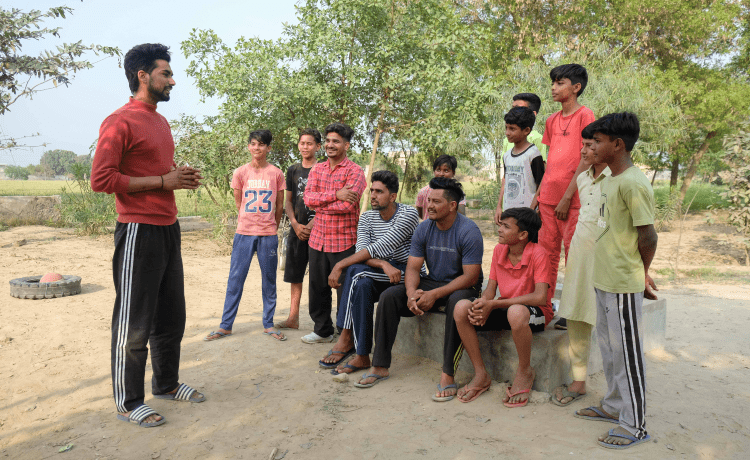



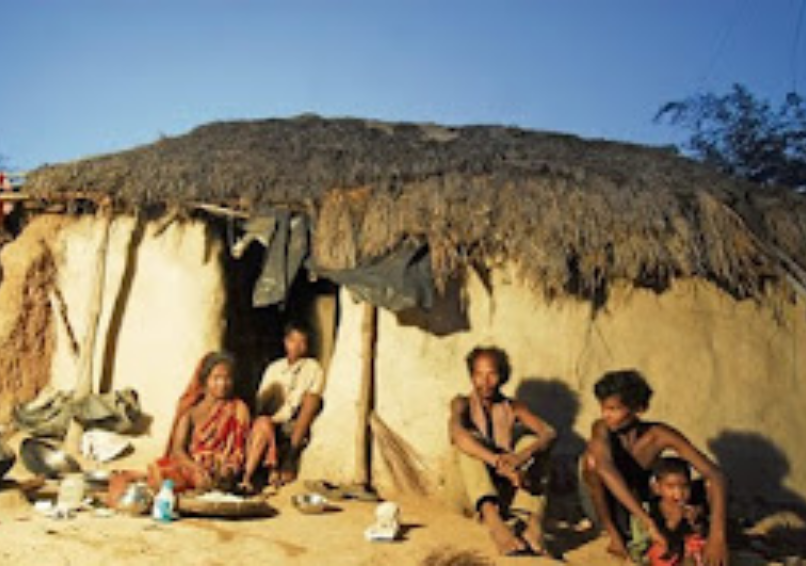
Most countries have a singular objective when it comes to economic growth - to improve the lives of its citizens. But, regrettably, India's strong economic growth in the past has consistently excluded the rural poor, which constitutes approximately 71% of our population.
What is the root cause of this inequity?
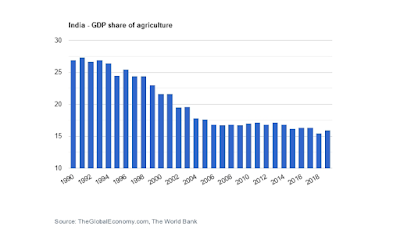
Since the opening of the economy in the mid-nineties, India's GDP increased at 7-9% but not so in the agricultural sector (the foundation on which rural India survives), which averaged only 2.5-3.5%. In fact, agriculture's contribution to GDP declined from 21.6% in 2000 to about 16% in 2019 (World Bank).
And yet there was no corresponding adjustment in the number of people who depend on agriculture for a livelihood - placing a big strain on dependent families.
The success or failure of agriculture underpins the entire rural economy. Limited and inequitable access to land, water, improved inputs, technologies and microfinance, feeds into the woes of the agricultural sector. And adding fuel to fire, there is also vulnerability to drought and other natural disasters.
This has resulted in rural distress - most publicly exhibited by the numerous suicides by small and marginal farmers across the country. But rural distress does not only affect farmers - but their families, and the local businesses that they support are affected also.
The resultant poverty drives many rural individuals to seek other forms of employment in the non-agricultural sectors. However, with low levels of literacy and skills, finding a livelihood that helps them generate an income is hard. Moreover, while urban India has taken long strides in building adequate physical and social infrastructure, rural India still grapples with the basic issues of power, roads, transport and communications, education, and health. This has resulted in the slow growth of manufacturing and other non-farm activities in rural areas.
The rural population is thus denied the right to participate in economic opportunities that the rest of the country is enjoying, that can move them out of poverty. It also fuels mass migrations to urban areas where individuals pick up low skill, low paying jobs to survive - living in abject conditions whilst doing so.
So what does this inequality look like, in every day terms?
At the rural household level, many families cannot afford nutritious foods such as milk, eggs, fruit, vegetables, and lentils, and instead consume subsidised grain sold by the government leading to loss of productivity. Malnutrition (stunted, wasted, and underweight) among under-5 children is comparatively higher in rural areas compared to urban areas. With rural India being left out of the growth story, India today ranks at a lowly 102 among 117 countries on the Global Hunger Index - 2019. In fact, India is placed in the "Serious" hunger levels category.
With only 42.5% of the rural population getting safe and adequate drinking water within premises through Pipe Water Supply (Ministry of Jal Shakti), women bear the brunt of travelling long distances to collect water, having irreversible effects on health and the time they can invest in economically fruitful activities.
Opportunities for quality skill building and education are out of reach. Amid the ongoing Coronavirus pandemic, the use of digital mediums for education and employment has come to the fore. However, percentage of persons of age 5 years and above who can use the internet stands at a dismal 13% in Rural India.
And this is just scratching the surface. There is a lot that needs to be done to bring the rural poor on the path to prosperity.
While there is consensus on the need for a socially inclusive path of economic growth, the key is providing access to livelihood opportunities. This can be done by strengthening the rural economy itself, so that people have jobs and equal opportunities to participate in the growth process. Livelihoods, therefore, will be central to policies, programmes and practices aimed at the rural poor.
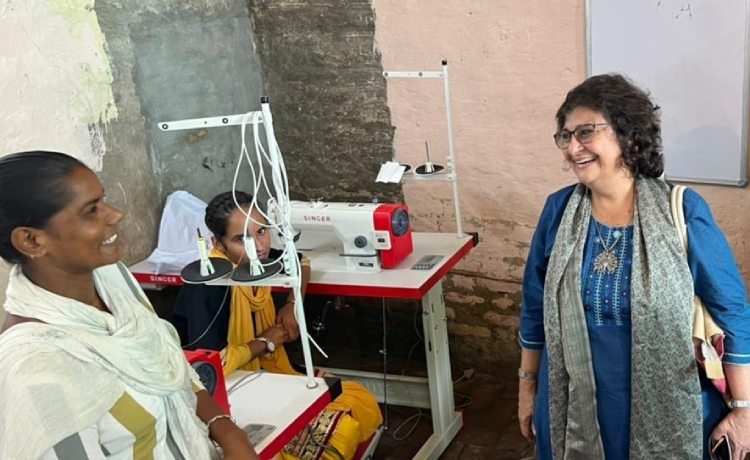
Since 1991, Ambuja Foundation has striven to bring sustainable prosperity to rural India through livelihoods. Through its 6 key programme areas - Water, Skills, Agriculture, Health, Women & Education, Ambuja Foundation supports the poor in rural India to not only earn, but thrive in life.

.png)