
Women's role in India has typically been limited to 'the home' thanks to a patriarchal society and a 'permission culture' which, according to an IDHS survey, sees 79.9% of women having to ask for permission from a male family member to seek medical care, and 58% of women reporting that they needed permission to visit the local kirana (grocery store).
It's time to change the role and perception of women in India as mere 'home-makers' and enable them to realise their full potential not only as family breadwinners, but as family and community leaders and role models.
With over 25 years of experience in Women's Empowerment and Skill Training, Ambuja Foundation has empowered thousands of girls and women with practical skills to earn a livelihood. Via their Skill & Entrepreneurship Development Institutes (SEDI), girls have become primary income earners, started their own businesses and are forging careers in their communities. By drawing women out of their homes to participate—in Self Help Groups, as health care providers, or as local leaders—they open the door to support networks and livelihood opportunities.
Empowering Girls to Earn
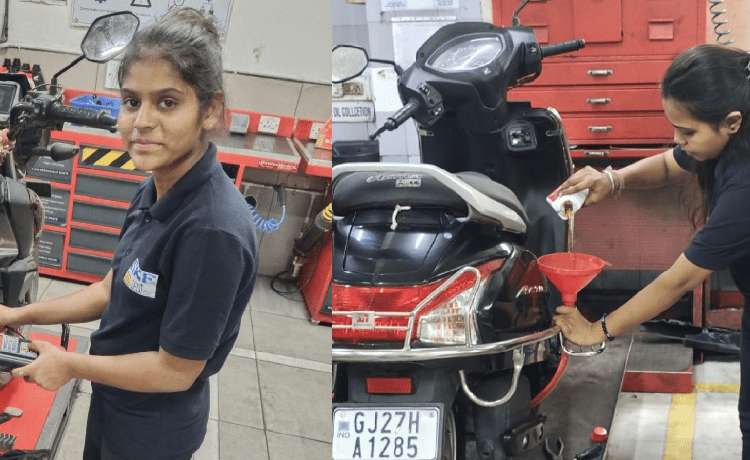
Across Ambuja Foundation's 33 SEDI centres in 11 states, girls are emerging as breadwinners as they gain employable skills and careers locally. Gender stereotypes are being shattered, with many training in traditionally male trades like welding, electrician and fitter/fabrication.
Many girls are becoming role models as they learn, earn and even become entrepreneurs. For example:
- Bucking Gender Stereotypes – Sapna Chand: When her brother lost his job at the start of the pandemic, Sapna took a 3-month course in Fitter Fabrication at SEDI. After graduation, she became the sole breadwinner, earning Rs 9,000 per month as a Machine Operator.
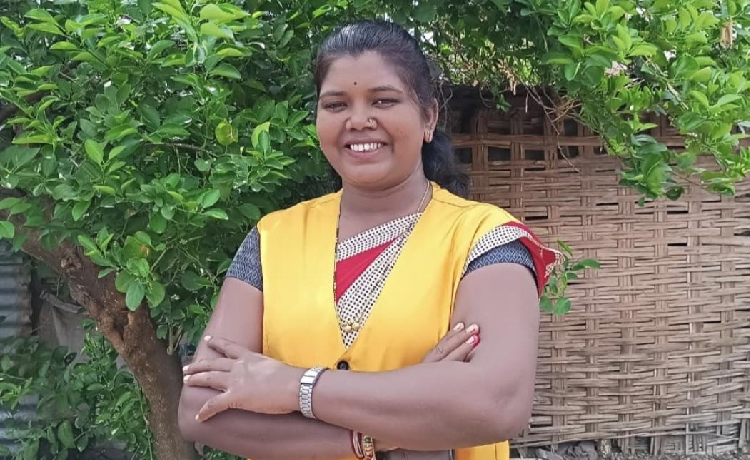
- Inspires 60 Youth – Leena Sahu: Mocked initially for studying retail at SEDI, Leena got a job at Westside earning Rs 12,000 per month. She went on to motivate 60 youth from her village to train at SEDI.
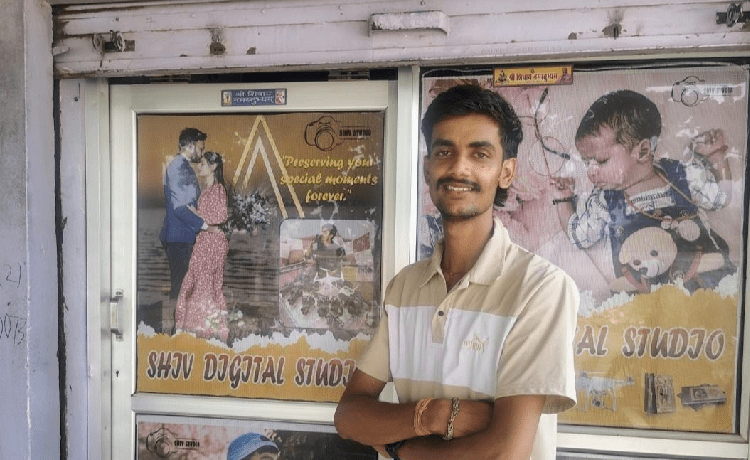
- Mobile Repair Entrepreneur – Monira Khatun: After her father's death, Monira stepped up as the first female entrepreneur in mobile phone repair in her village. Thanks to her shop 'Maa Xerox & Repair', she now earns Rs 10,000 per month.

Enabling Women for Income Generation
While development indicators like maternal mortality declining, literacy rising and access to healthcare improving show progress, women's contribution to India's GDP is only 18%, among the lowest in the world. Only 25% of India's labour force is female.
There are many barriers to participation: cultural attitudes, patriarchal norms and 'time poverty' as women bear disproportionate responsibility for unpaid care and domestic work. In fact, Indian women do more unpaid care and domestic work than almost any other country except Kazakhstan. According to Oxfam's report, Mind the Gap, Indian women spend up to 352 minutes per day on domestic work—577% more than men (52 minutes) and at least 40% more than women in South Africa and China.
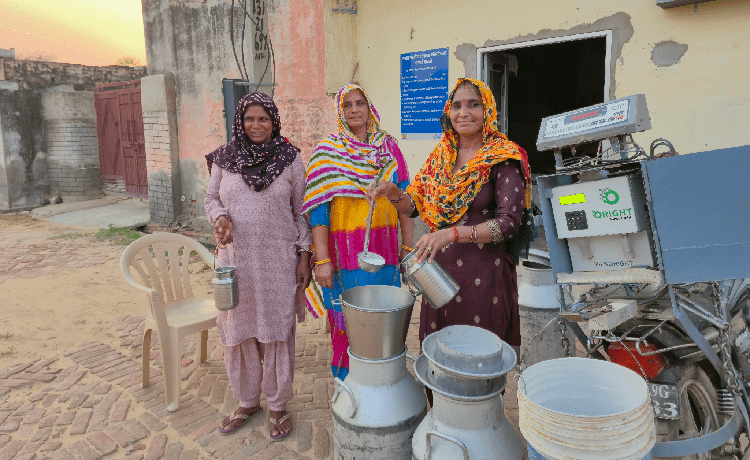
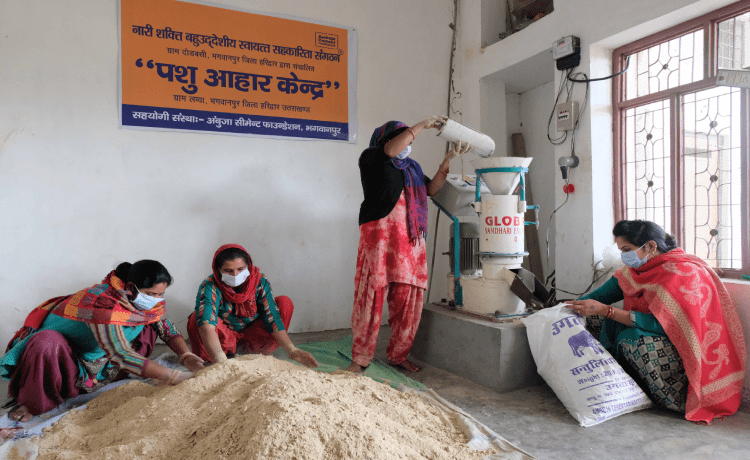
But by encouraging participation of women in Self Help Groups and Women's Federations, and enabling them with key skills for income generation, enterprising rural women are drawing sustainable livelihoods from diverse activities including milk production, goat and chick rearing, knitting and more.