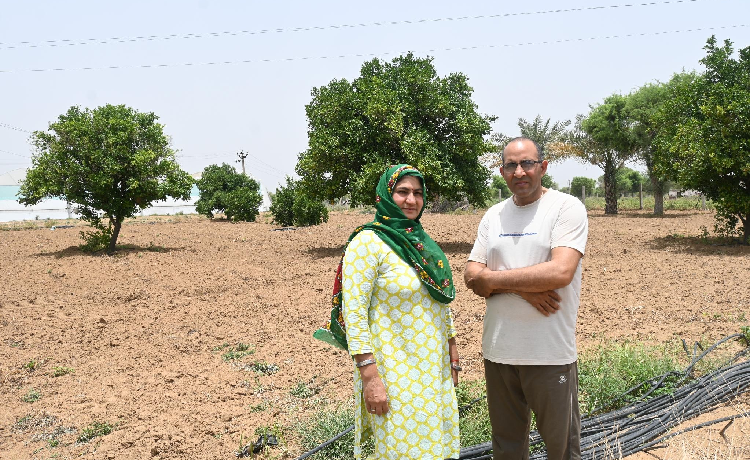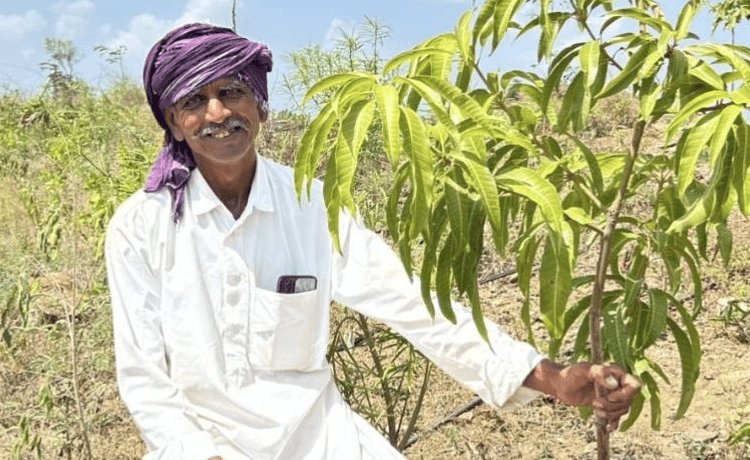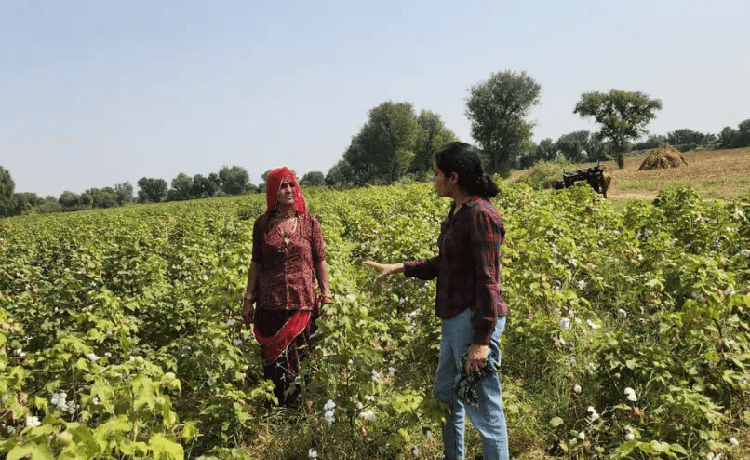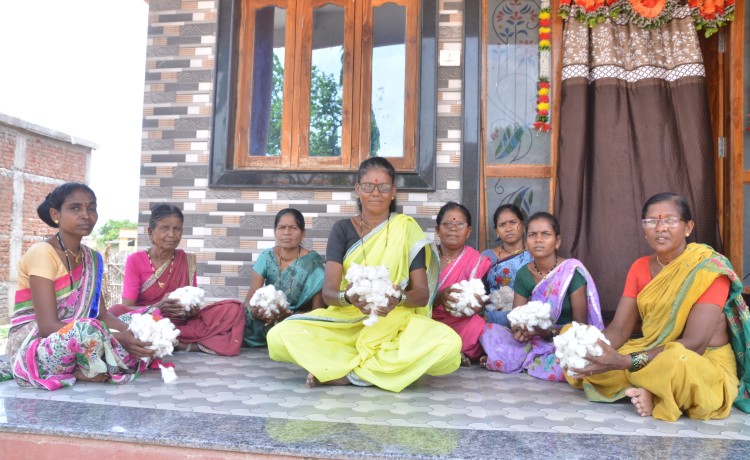

‘Farming is a family business and we all get involved – in fact, we live as part of khiryati Dhaani where almost 30 families live and work together in close proximity. We used to grow maize but found it tough to survive, so I would work as a labourer on other farms in the district. But we all decided to come together and drill a borewell to tap the groundwater so we could irrigate and collectively grow cotton. I like to adopt new things and am always ready to try my hand at something new – I’ve found it pays off on the farm. I’m planting other high value crops like cumin and fenugreek, have adopted micro-irrigation and am exploring stronger markets for my produce with other farmers. This is how we have managed to pull down our mud hut, build a pucca house, purchase a bike and invest in a tractor. Today, I no longer work as a labourer, but hire labour on my 3 acre farm. We live together happily and freely….It’s a good life.”
Going Organic
September 10, 2026
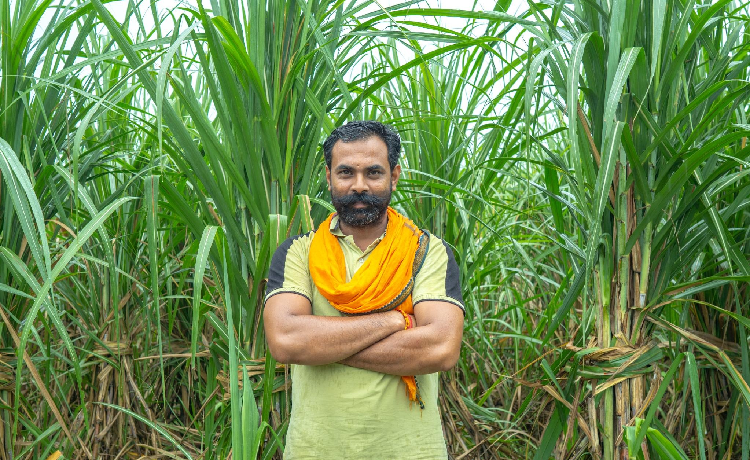
For years, farming in Haridwar’s sugarcane belt followed a familiar pattern: more chemicals, more fertiliser, and rising cultivation costs. Productivity remained the priority even as soil fertility declined.