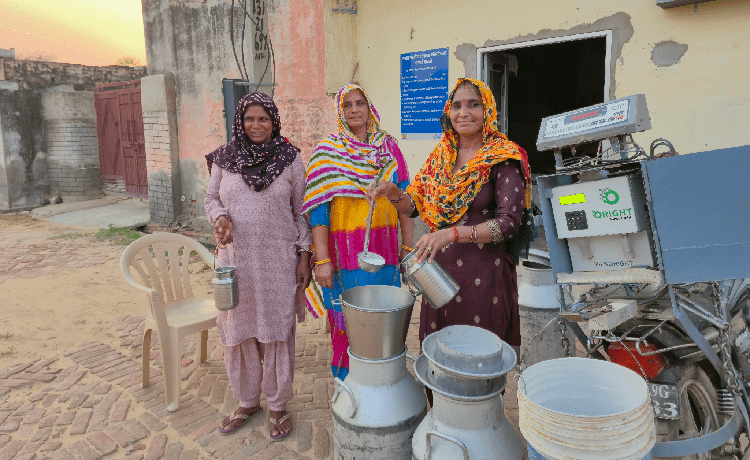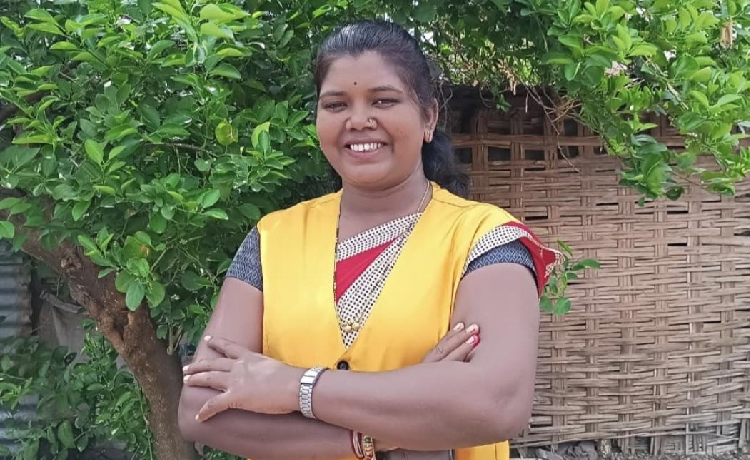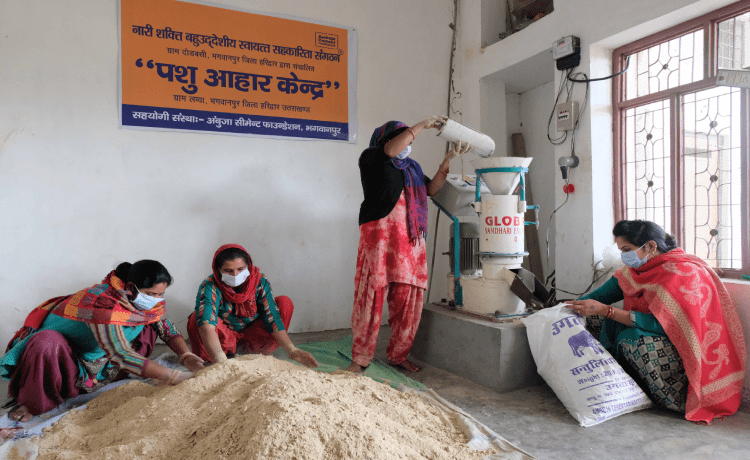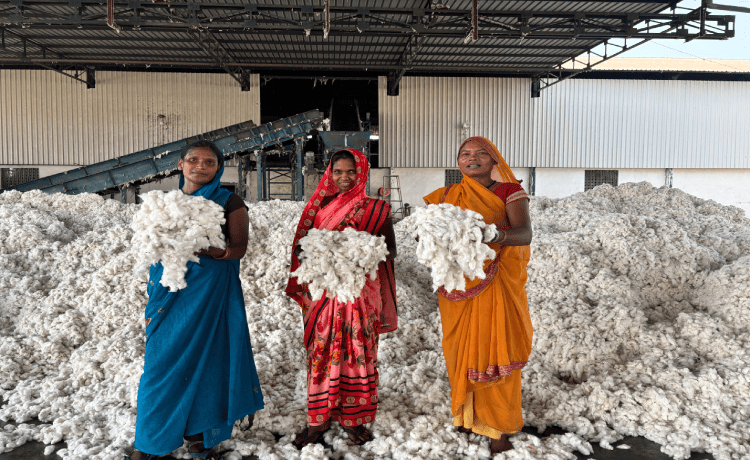
Many development organization has mark their success on the number of projects and programs they implement. However, we believe that the true success and contribution of our organization is promoting sustainable development that can more effectively be measured by taking a look at our efforts in strengthening local organisations. After all, improving ‘community ownership’ is both a means and an end in the process of development.
Across Ambuja Foundation programs we work tirelessly on the proliferation of these local organisations (people’s institutions) which share the responsibility of both the ups and downs of the process of development. This is our greatest achievement in itself, and we firmly believe this, in fact, is the strongest indicator of sustainability.
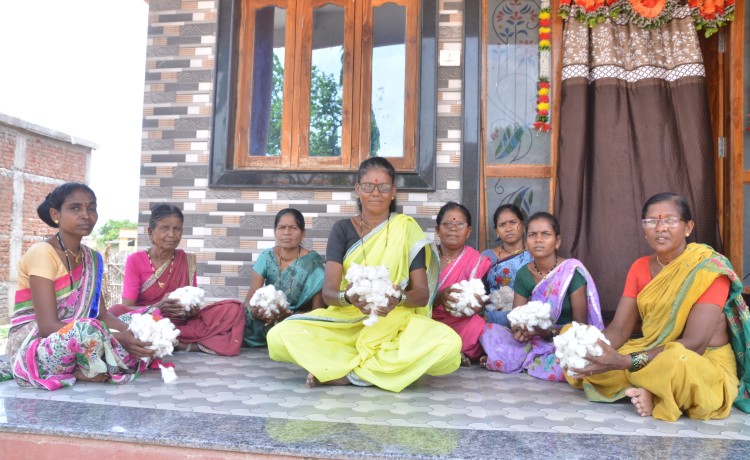
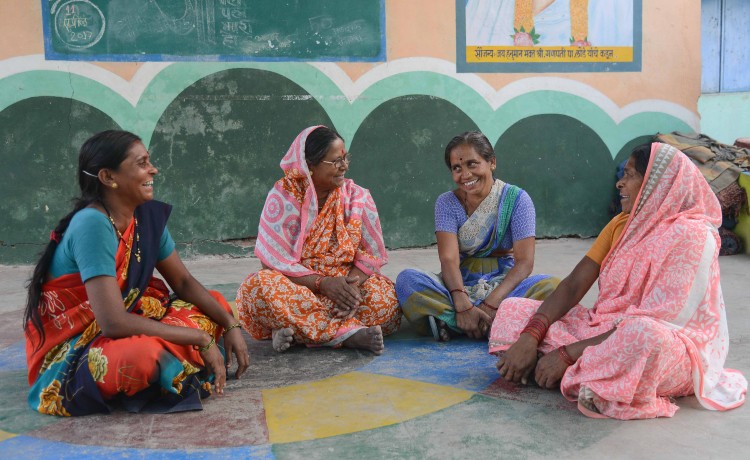
This is best exemplified in the journey of Ekta Women’s Federation, an Ambuja Foundation promoted Women’s Federation in Chandrapur, Maharashtra.
When your world comes crashing down, you have a chance to do something you couldn’t have done before: rise up stronger. This was the case with Ekta Mahila Federation at Ambuja Foundation Chandrapur. It all began in 2009 when local SHGs came together to form a Women’s Federation. 13 Board of Directors represented 8 villages and 34 SHGs with a hope to make a difference to the community via collectivisation. They were convinced that social issues running through generations – the serpentine clutches of moneylenders, toilets for young girls, and their education - would not be resolved unless they unite.

Jyoti Tai of Ambuja Foundation invested years in creating awareness and strategizing the purpose of existence for the Federation. The Federation, with a mission to ‘educate girls and help all those deserving local women stand strong at their feet,’ saw a need in 2014 and since then there was no looking back. The first big opportunity came in the form of changing the status of sanitation facilities in the area. A grant from Gruh Finance Ltd was provided as a revolving fund. Never before had the area seen 600 women taking loans of Rs. 10,000 each to build family toilets – that too with 100% repayment. And in a very short time over 3500 people directly benefited! It was an incredible feat – one that catalysed the Federation movement and catapulted it forward.
The process built a great wealth of confidence among the women - about themselves and the power of coming together as a community. Success prompted them to replicate the same concept and provide agriculture inputs which the Federation sourced and procured. Women and men suddenly had access to an additional Rs. 10,000 loan through the Federation. Families who had previously been restricted to farming just 2 acres, could now optimise up to 5 acres of cultivation which multiplied their profits manifold. The entire area benefited with this, as farmers suddenly had an alternative to the crippling moneylenders after multiple generations. Though all local women benefited via this livelihood effort, there was an increased focus on the marginalised including widows and landless farmers.
In another success, local women needed supplementary livelihood options which prompted Ekta Federation to focus on supporting small scale businesses as part of a Joint Liability Group (JLG) - with LEDP, NABARD and ILO support. Safalya Mahila Farmer Producer organisation was a subset entity formed by Ekta to focus on marketing and financial aspects of member farmers. Over time, being a member of both Ekta and Safalya became a synonym for being credit worthy which helped women reap additional benefits.
This is only the beginning for this grassroots organisation that today dreams big. With a current base of over 120 SHGs, and close to 1400 members, there is so much more they plan to achieve.

Ambuja Foundation team has led, supported and witnessed a decade of Ekta coming full circle. By investing the time, patience and money in developing a local institution, Ambuja Foundation has enabled women from this region to stand up for what they believe in, and enjoy the fruits of their labour. This is true development, whereby the women themselves have been in the driver’s seat, with Ambuja Foundation merely supporting them.
To witness long term sustainable results, this is the path we must continue to tread as grassroots implementing organisation in rural India.
Anagha Mahajani is the Vice President – Program Research & Monitoring leading the team in measuring implementation, progress and impacts of the programs at Ambuja Foundation. To reach out write to at anagha.mahajani.ext@ambujafoundation.com