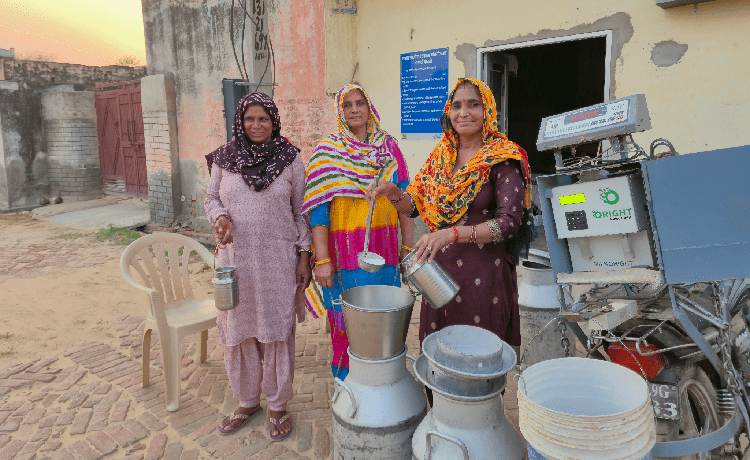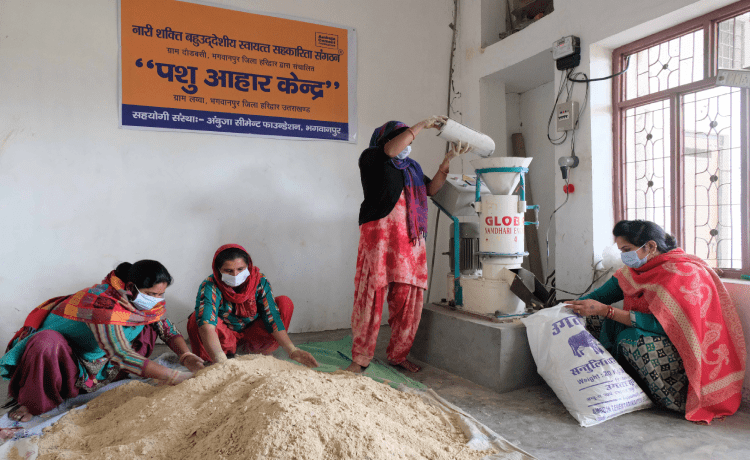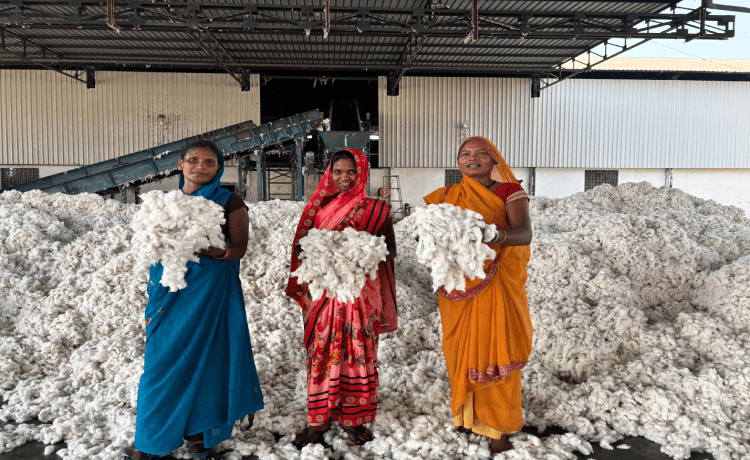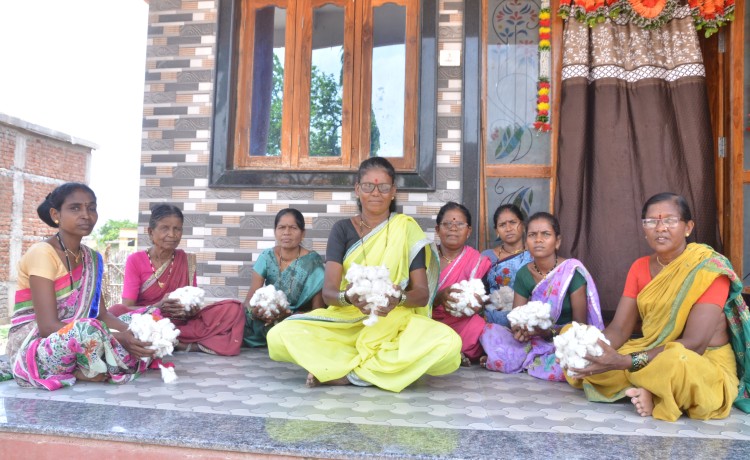




In India, women-led nano enterprises are quietly reshaping the business landscape. Despite facing challenges like limited resources and navigating a dynamic market, these ventures, primarily run from homes, are thriving, with the majority operating outside the traditional brick-and-mortar model. Efforts to promote self-employment among women, particularly through home-based businesses, have intensified, with government and private initiatives offering schemes for credit, training, and incubation programs tailored to women, leading to an increase in nano enterprises.
However, a persistent gender gap in business performance exists, with female-led businesses typically reporting lower turnover and profits compared to those led by males. This gap is influenced by societal norms, perceptions, and opportunities available to women, impacting business economics such as investment and revenue.
While many studies have highlighted barriers faced by women entrepreneurs, there is a need for comprehensive research focusing specifically on the growth potential of rural women entrepreneurs in India. This study, conducted by LEAD at Krea University in collaboration with Ambuja Foundation, aimed to explore women-led nano enterprises originating from Self-Help Groups (SHGs) in a specific rural region, aiming to gain a deeper understanding of their dynamics and challenges. This study primarily conducts an in-depth analysis and profiling of enterprises.
The study examined the following key research questions:
- What are the profiles of nano women entrepreneurs?
- How can these nano enterprises further grow and scale?
- What are the challenges and enablers of nano-enterprises?
- How does entrepreneurial endeavour influence their empowerment?
- What are the profiles of their enterprises?
Using an exploratory methodological approach, this cross-sectional research profiles women-led nano enterprises supported by Ambuja Foundation in Bhatapara, Chhattisgarh. The study selected a stratified sample of 435 (Approximately 50% of the universe), representing various sectors and types of ownership. The sample considers geographical spread and demographic diversity to capture variability and ensure analytical rigor.
Women-led nano enterprises demonstrate impressive resilience despite limited resources and business expertise. Despite challenges like weak financial management and formalization, they show profitability and ambition for growth, highlighting their adaptability in tough environments. Additionally, contrary to the belief that independent commercial spaces are necessary for success, a majority of women entrepreneurs thrive in home-based ventures, offering flexible and successful business models.
These women-led businesses owe their success in large to a flexible and tenacious business model that allows them to cater to both B2B and B2C markets with ease despite challenges such as economic shocks, industry-specific obstacles and rapidly evolving customer profiles. Businesses can simultaneously cater to multiple market segments and, in the process, avoid operational bottlenecks by employing an efficient and sturdy cash flow management system.
The vast majority of these businesses are not formally registered on platforms such as Udyam or PAN. This creates an opportunity to formalize these businesses so that they can avail benefits such as formal recognition, eligibility for credit, access to government schemes, and so on.
A large number of these businesses are family-run establishments that more often than not involve family members such as spouses, in-laws, children and so on who need to be encouraged to support the woman in the family and the business she runs. It is important to note that nano enterprises play a huge role in empowering women by making them financially independent as well as giving them respect and recognition within the community.
As revenue levels increase, businesses tend to employ more workers or family members, emphasizing the connection between business growth and job creation. Supporting businesses in reaching higher revenue levels can lead to more employment opportunities.
The majority of women-led nano enterprises still rely on rote operational practices such as manual recordkeeping. Women-led nano enterprises would become much more efficient if they adopted digital recordkeeping applications to track daily activities such as finance, bookkeeping, cash flow tracking and profitability assessment. This would also make their financial health more transparent in the eyes of lending institutions that could offer growth capital. Digital solutions can streamline this process and aid access to capital. Social media platforms play a vital role in market access, particularly benefiting women entrepreneurs.
A significant portion of entrepreneurs lack awareness of available government schemes, financial products, and insurance, highlighting the need to reduce information gaps to unlock further opportunities for these businesses. There is an opportunity in this segment to raise their awareness of government schemes, credit products and so on that would make their business models more resilient. Numerous government schemes can provide financial assistance to these businesses. Financial schemes like CGFMU and platforms like GeM provide support for enterprise growth, offering collateral-free credit, subsidies, and branding assistance. It is important to raise awareness of these schemes among women entrepreneurs so that they can grow their businesses and become more profitable.
Women-led nano enterprises are not only redefining economic opportunities but also fostering social change. These ventures are proving their mettle in a dynamic business landscape, challenging conventional norms by demonstrating women's entrepreneurial prowess. With continued support from government initiatives and a focus on knowledge sharing, these women-led enterprises are poised to make a lasting and meaningful contribution to the nation's future.
Read the full report here: https://lnkd.in/guPZVQQx