


Last mile coverage of maternal healthcare in villages across India continues to remain a challenge. The quality of health service provided by Primary healthcare centres and Sub-centres is often sub optimal, essential medicines and beds in short supply as well as lack of qualified medical professionals. In Farakka, West Bengal for instance, there are four doctors for the entire block of over 274000 people.
Reaching hospitals in nearby towns or cities is not easy. Primary Healthcare centres are operational only in daytime and with roads often being in a state of disrepair. This makes taking a pregnant mother to the Community Health centre or a hospital in the middle of the night is a daunting task fraught with risks. In hilly terrains like Darlaghat in Himachal Pradesh, this problem is compounded.
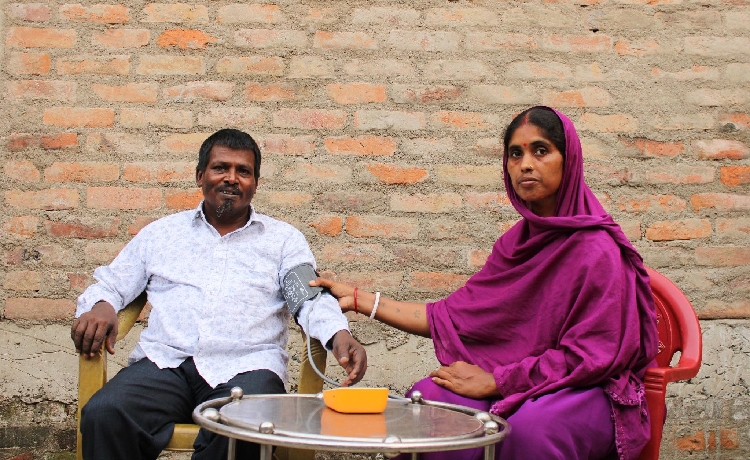
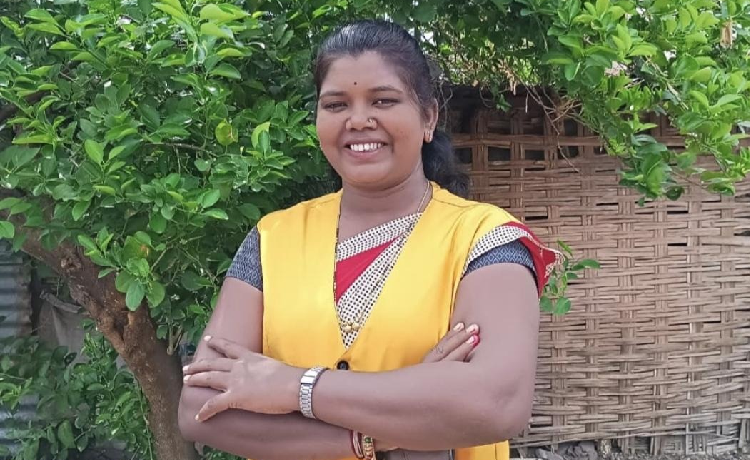
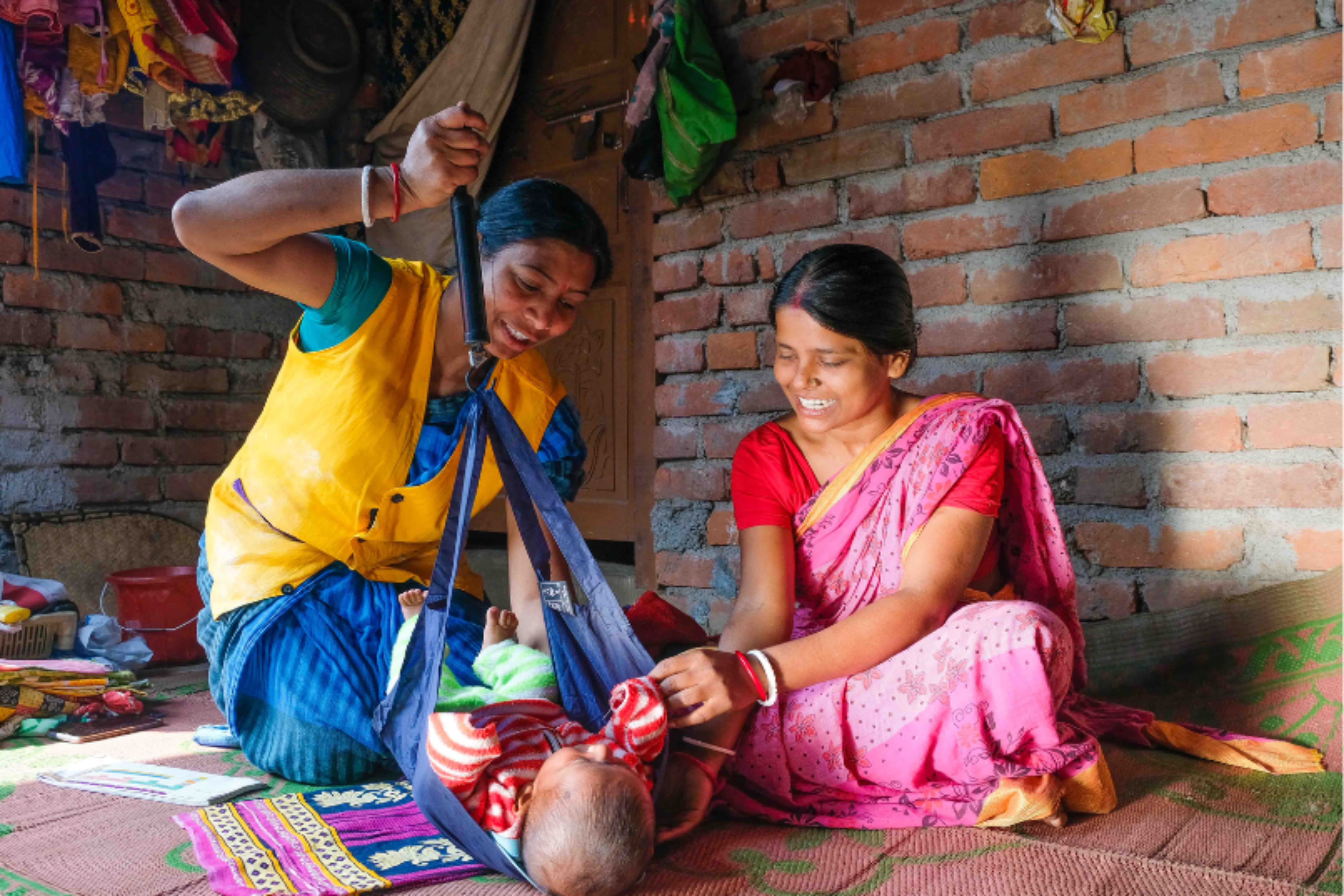
Primary Health centres and sub centres in many parts of rural India are not equipped to handle deliveries, more so during the pandemic. Ambuja Foundation trained healthcare workers or Sakhis play a crucial role here. As community members themselves, they are trained to identify cases that require urgent healthcare intervention which are then referred to community health centres and hospitals on priority. In states like Chhattisgarh, an active migrant population makes tracking and supporting pregnant mothers an even more arduous task. High-risk pregnancies once identified are followed up monthly. In the last trimester weekly visits are made to assess if the pregnant mother needs early hospitalisation to avoid complications that may arise at the last moment. Sakhis have over the years not just become the backbone of Ambuja Foundation’s health delivery system in villages but also champions of social change, often occupying key positions in the Panchayat also.
Encouraging Institutional Delivery
Earlier, while home delivery and superstitious beliefs such as denying food to the pregnant mother to manage the baby’s size was the norm in villages, Ambuja Foundation through its Sakhis, has been able to successfully change behaviour and guide pregnant mothers towards safe and hygienic institutional delivery. In many of Ambuja Foundation’s locations, institutional delivery now stands above 93%. In few locations it has touched 100%.
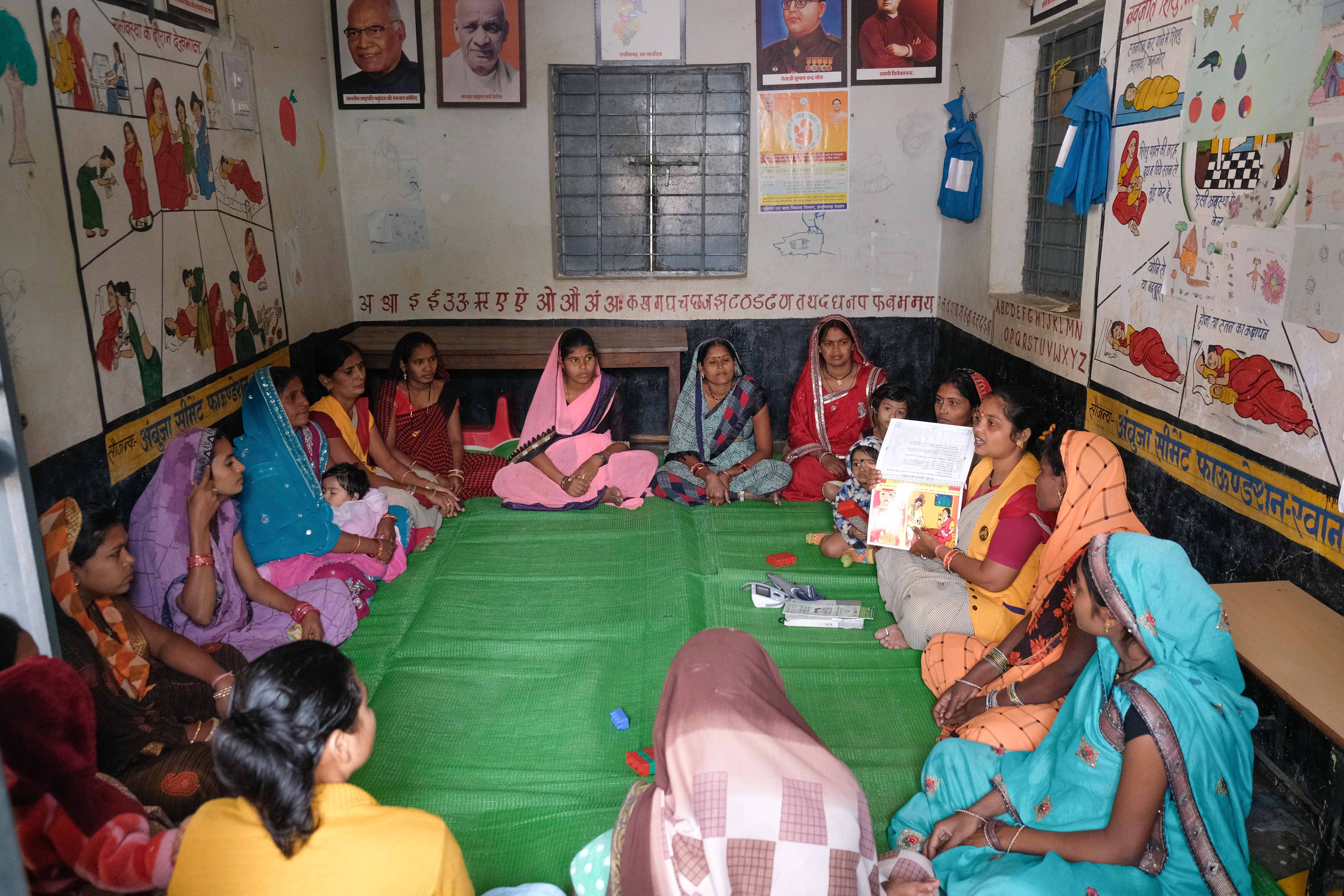
Realising that husbands also need as much, if not more, awareness about pregnancies, Sakhis now go house to house meeting all family members and explaining to them the need for regular check-ups and care. Through the pandemic, platforms like WhatsApp and YouTube have been extensively used to share relevant videos and posters, including stories of successful deliveries from the vicinity. With this effort, often it is now the husbands who insist that their wives be sent for check-ups and are more prudent with nutrition.
The 5-7% home deliveries happening today presents a few health challenges. Babies born at home are susceptible to Sepsis and other hygiene related diseases. As soon as the Sakhis get to know about a home delivery, they take over the situation, ensuring proper health and hygiene for the mother and child through post-natal check-ups. Sakhis are extensively trained in Home Based Neonatal Care (HBNC) and are equipped to manage home deliveries, neonatal resuscitation, and address infections, in case reaching the hospital becomes a challenge.
Standing up to the challenges posed by the #COVID19 Pandemic
Having established themselves as the backbone of the health delivery system in villages, Sakhis have turned frontline workers in the pandemic and are actively assisting the local health administration teams to mobilise beneficiaries and vaccinations. Juggling between combating COVID-19 and providing Maternal Child Care, Sakhis have their work clearly cut out.
In Dadri, when Komal, a community member went into labour in the middle of the lockdown in 2020, it was a Sakhi who came to her rescue. While Komal’s family was against institutional delivery, Komal had been made aware of the risks of home delivery from Sakhi Sudha. Together with Sudha, she began walking 12 kms to the nearest hospital until she was eventually rescued by the Ambuja Foundation mobile Medical Van and delivered a healthy baby. Harnessing the power of digital, Sudha has also created a WhatsApp group covering over 125 households in her community, along with 3 Anganwadi Workers, 2 ASHAs and the local ANMs. Through the WhatsApp group she shares regular health messages and key information to support them in their journey to motherhood.
Amid the nationwide lockdown in 2020, Sakhis were also deeply concerned about the delayed polio vaccination and childcare for young babies. But as soon as the government announced a lockdown relaxation, the Sakhis were knocking at the doors of households scheduled for the polio vaccine.
Such is the commitment of Sakhis, who time and again, go above and beyond to ensure critical support to pregnant and lactating mothers. It is on this backbone that Ambuja Foundation has been able to run health initiatives across its locations in rural India.
Looking for a CSR Implementation partner in rural healthcare? Reach out Dr. Vinayak Sonawane (Vertical Head – Health) at vinayak.sonawane.ext@ambujafoundation.com