


Did you know that 72.4% of India's workforce lives in rural areas? And that agriculture supports nearly 70% of this rural workforce? But with small land holdings and overdependence on the monsoon, these livelihoods are often unsustainable. Coupled with outdated farming methods, lack of irrigation, and difficulty accessing markets, agriculture-dependent households quickly spiral into poverty that’s hard to escape.
With families struggling to make ends meet, there is a need to explore alternative means of earning to supplement agricultural income. But with limited skills, finding alternative livelihoods is challenging.
Therefore, to improve the condition of families in rural India, we must empower both agricultural and non-agricultural livelihoods. Sustained investment in both will transform the rural economy.
Empowering Agricultural Livelihoods: People's Institutions
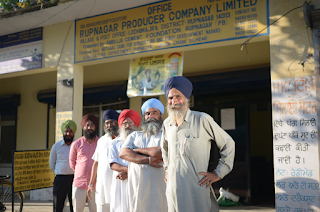
Globally, no country has lifted its people out of poverty without increasing agricultural productivity. This means enabling farmers to access services, better seeds, high-value crops, crop rotation, and making more effective use of land, water, and infrastructure.
A key tool is forming people's institutions. When farmers come together as Farmer Producer Organisations (FPOs), they benefit from reduced input costs, better market access, higher revenue, and shared knowledge. FPOs can also provide allied services—selling inputs like seeds, producing consumer products (jaggery, pulses, honey, spices), or selling by-products to industry.
Our experience and many case studies show that people’s institutions are crucial in transforming farmer livelihoods from poverty to prosperity.
Empowering non-Agricultural Livelihoods for Women & Youth
Of equal importance is investing in off-farm incomes. These non-agricultural livelihoods usually focus on two main groups:
Empowering Livelihoods for Women: SHGs & Federations
Women form half of India's population but less than a quarter of the labour force. In rural areas, women can play a key role in family economic security through agricultural and non-agricultural work.
However, household chores fall mainly on women, so access to water becomes crucial. When water is easily available, women save time and health, allowing them to earn or pursue skills and education.
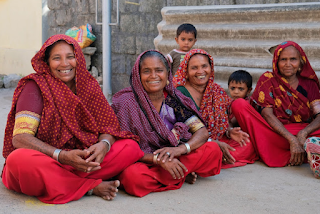
The answer to encouraging participation is mobilizing women into Self-Help Groups (SHGs) and Women’s Federations. These provide skills, income opportunities, and support networks that build confidence and self-belief.
As women become earners and leaders, they break stereotypes, tackle local issues like sanitation and substance abuse, and amplify their voices in the community.
Empowering Livelihoods for Youth: Skill Training
India is one of the youngest nations on the planet with around 67–68% of the population falling within the youth bracket. Youth is a stage when crucial decisions affecting the individual and family’s future are made. Wise decisions at this stage can help households move out of poverty and enable youth to contribute to livelihoods for others, the economy, and society.
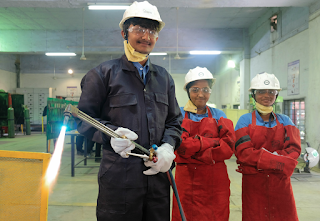
Making youth aware of relevant skills and education becomes imperative. Shockingly, as per NSSO data, 93.7% of rural youth did not receive any vocational training in 2017–18. Therefore, it is vital to invest in skill training and help youth connect with employment opportunities or local entrepreneurship. In this way, rural youth can supplement family incomes, and many become the primary breadwinners in their families.
Ambuja Foundation works to create livelihoods by facilitating the establishment of people's institutions across 11 states in the country. We have enabled 11 FPOs with 6,108 members, 2,352 SHGs with 29,543 participants, 5 women's federations with 1,116 members, and 166 Water User Associations. Ambuja Foundation assists these institutions with administration, training, and managerial skills to help communities pursue sustainable livelihoods in both agricultural and non-agricultural sectors.
Moreover, Ambuja Foundation offers vocational skills training to youth in 33 locations across the country through SEDIs (Skill & Entrepreneurship Development Institutes). To date, 65,000 students have been trained to pursue non-agricultural livelihoods, with the majority gainfully employed.
.png)