December 06, 2022

Vermicompost: Entrepreneurs leads from the front

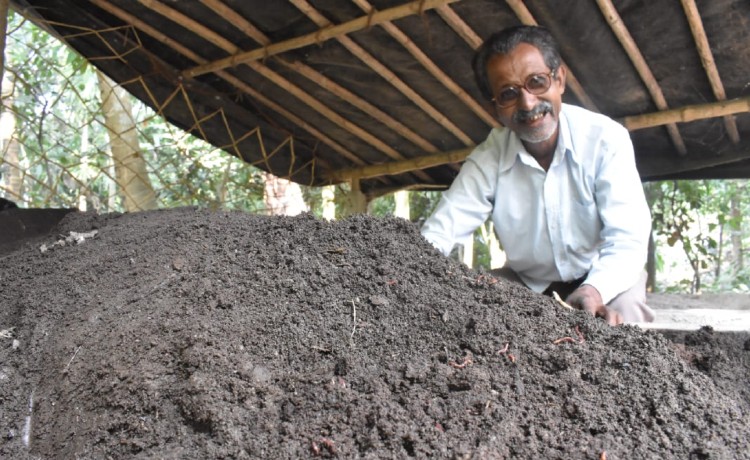
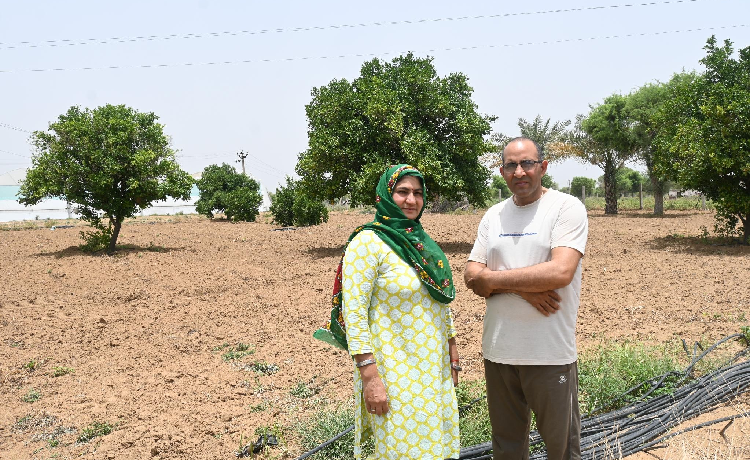
Sankrail in West Bengal saw an exciting development. Many farmers who received support from Ambuja Foundation to manufacture Vermicompost have discontinued it. However, one farmer, Hanif Sheikh, continued his efforts and today has become a vermicompost entrepreneur. He sells around 12 tons of Vermicompost after holding back 2 tons for his consumption. He started with two composting pits provided by Ambuja Foundation in 2008 and has since added another four. Two of the remaining four pits came to him under a subsidy scheme from the Agriculture Department, and the remaining two were from his investments. He uses the stalks of water Hyacinth, available in plenty in the area. He also uses cow dung from his cows and buys them whenever he falls short. He also gets the stalks of the banana post-harvests. He uses labor to cut the Water hyacinth and the banana stalks into small pieces, and after they decompose, he converts them to Vermicompost using his tanks with the worms. He sells the Vermicompost to traders at Rs 22 per kg and consumers who reach out to his house at Rs 20 per kg.


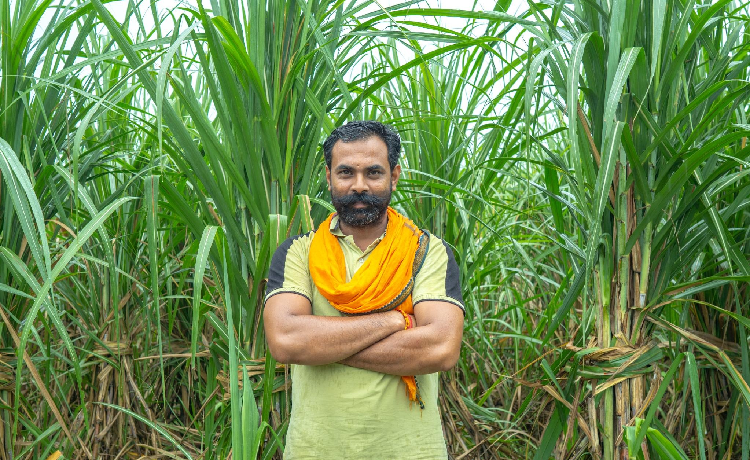
Almost on similar lines is the story of Sushil Chand Saini from Kurdi Village in Haridwar district. Sushil has some 20 beds of vermicompost, which he manufactures for his own and extended families' consumption. He had also sold some 20 Quintals of Vermicompost this year at Rs 10 per kg. He uses the vermicompost only in his Sugarcane plant and has seen it to have given excellent results. Sushil Chand has realized the benefit and seeing him; many other farmers have produced vermicompost on their farms.
Tags: Agriculture
December 06, 2022

RELATED POSTS
  • Going Organic
    September 10, 2026
    For years, farming in Haridwar’s sugarcane belt followed a familiar pattern: more chemicals, more fertiliser, and rising cultivation costs. Productivity remained the priority even as soil fertility declined.
  • The Diversification Dividend
    September 10, 2026
    When you think of farming incomes in India, you think in thousands. Rarely in lakhs. And almost never double digits – Rs. 28 lakh a year is almost unheard of. Yet, on a small patch of land (2.7 ha) in Jhunjhunu, Rajasthan, that is exactly what Suman and her husband have built. Not through a single breakthrough—but through a series of deliberate, well-timed shifts.
  • The Village Climate Reset
    September 10, 2026
    For a village in Gujarat’s rainfed cotton belt, where farming has become increasingly difficult attributed to rising temperatures, water stress, and declining soil health, the sapling forest has become a visible sign of change.
  • Climate Smart Farming: Bridging Science and Farm Practices
    February 24, 2026
    Discover how climate coordinators are preparing farmers for climate-smart farming. Ambuja Foundation is a leading NGO working for the empowerment of rural farmers.
  • The Cotton Queens of Chandrapur
    September 19, 2025
    In the heart of Chandrapur’s Rajura block lies Devada, a quiet farming village where cotton reigns supreme. With 264 of its 298 households cultivating over 2200 acres, agriculture is more than a livelihood—it’s a way of life. But it was defined by outdated practices, limited tools and little access to credit.
An Opportunity to Support
SUBSCRIBE TO OUR NEWSLETTER & BLOGS
Stay updated on the latest insights from Ambuja Foundation.
GET CONNECTED