


Ambuja Foundation’s COVID-19 Response in Core Villages
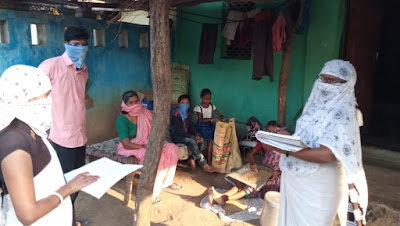
The health team of Ambuja Foundation has been at the forefront during the critical time of COVID-19, conducting various awareness activities in our core villages. These included:
- Demonstrations of hand washing techniques
- Promoting social distancing
- Distribution of 7,088 soaps and sanitizers
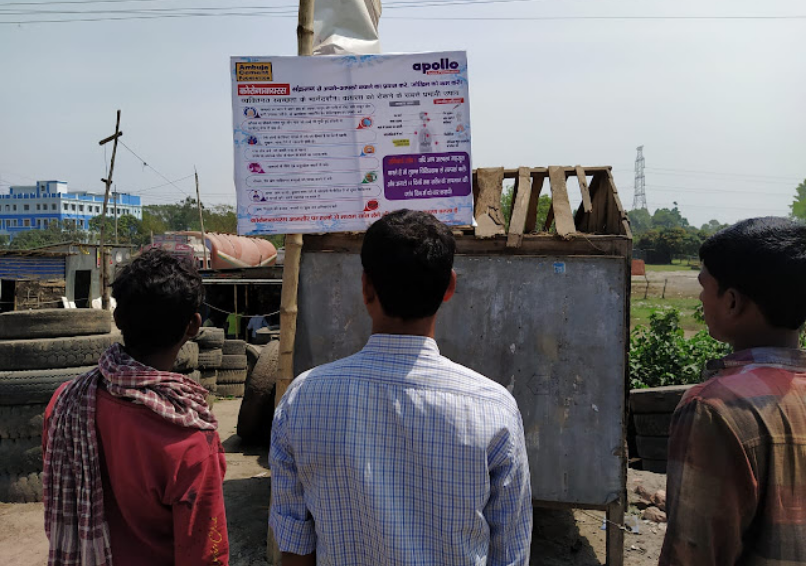
- Information, education and communication efforts: 82,400 pamphlets distributed, 274 wall paintings, posters and banners in villages
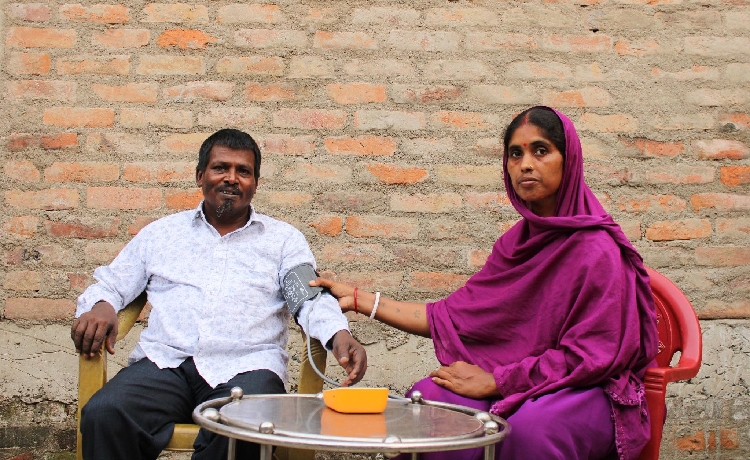
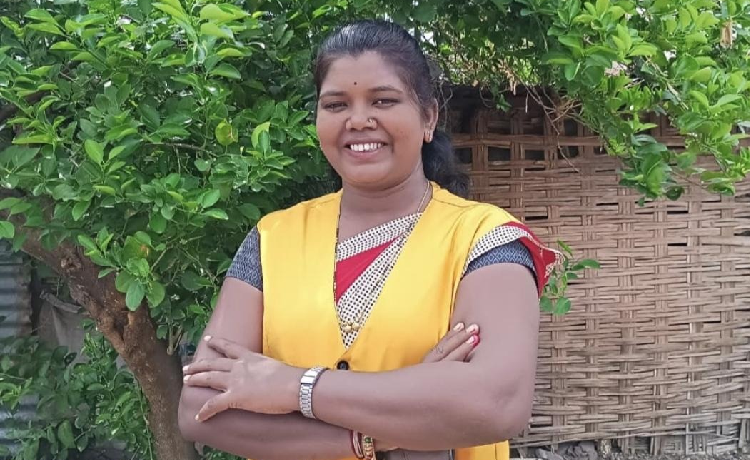
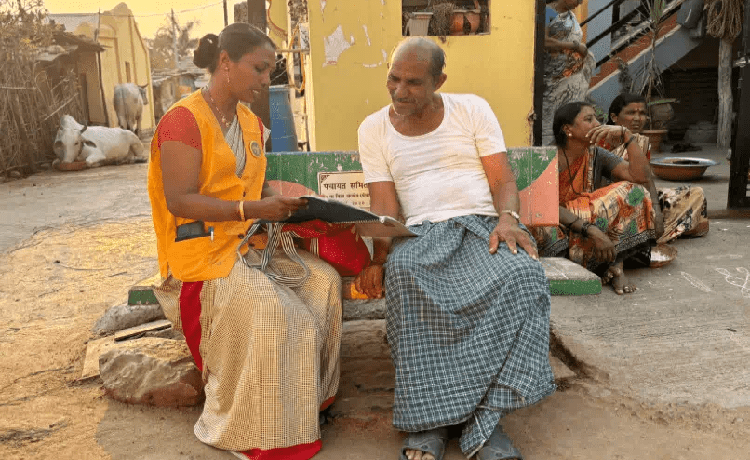
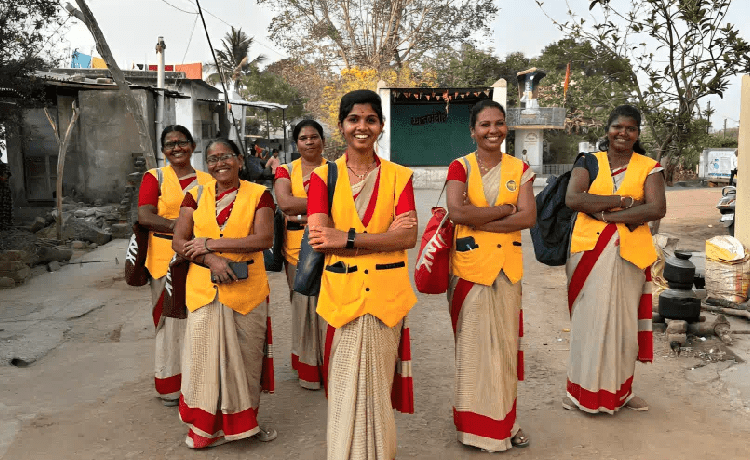
Village Health Functionaries, including our Sakhis, have been working door to door to stop the spread by training families on hand washing, sharing pamphlets, and teaching social distancing. In early March, a week-long campaign in Darlaghat, Himachal Pradesh demonstrated Neem Soap handwashing techniques in 30 project villages, reaching Anganwadi centres, schools, pregnant and lactating women, and peer groups.
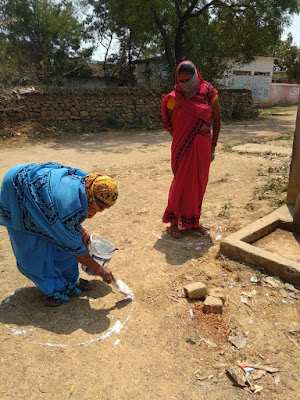
Volunteers taught villagers to maintain social distancing by drawing circles outside shops and crowded places. Pamphlets were distributed by Sakhis, BCI volunteers, SEDI students, and Panchayat Health Centres.
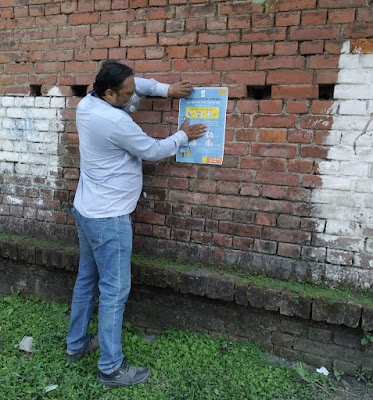
Other key initiatives included:
- Pasting banners and posters in villages
- Distributing leaflets near markets, petrol pumps, and door to door
- Running mobile vans broadcasting awareness messages
- Distribution of masks
- Sharing emergency health contact numbers via SHG members and SMS to the wider community
In Nalagarh, early awareness work with truckers helped the truckers’ union set up a resting facility with over 100 beds and food supplies for stranded truckers and families.
Current Status and Continued Efforts
Ambuja Foundation continues to support villages by:
- Sending informative messages via WhatsApp and digital platforms to 2 lakh farmers and 26,000 women in SHGs and federations
- Mapping and sharing details of testing centres, isolation wards, and treatment facilities
- Engaging with District Health Officers and local authorities to identify areas needing help
- Providing ration kits to daily wage workers and spreading awareness on government PDS food grain schemes
Through these ongoing efforts, village health functionaries and local authorities remain committed to keeping communities safe and informed.