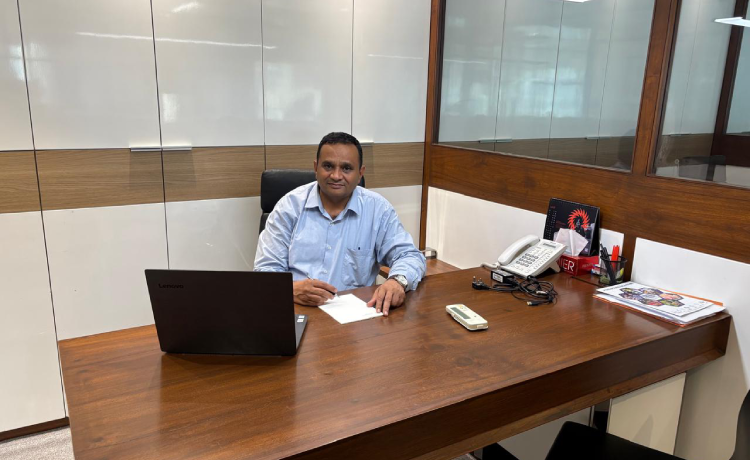



Ravi Nayse, Vice President (Skills) at Ambuja Foundation, has spent over 28 years in the development sector and, in his diverse and varied role at Ambuja Foundation, he has noticed a pattern. One which often sees an ‘exit strategy’ for programs, but where finding an ‘exit strategy’ from a community proves difficult …
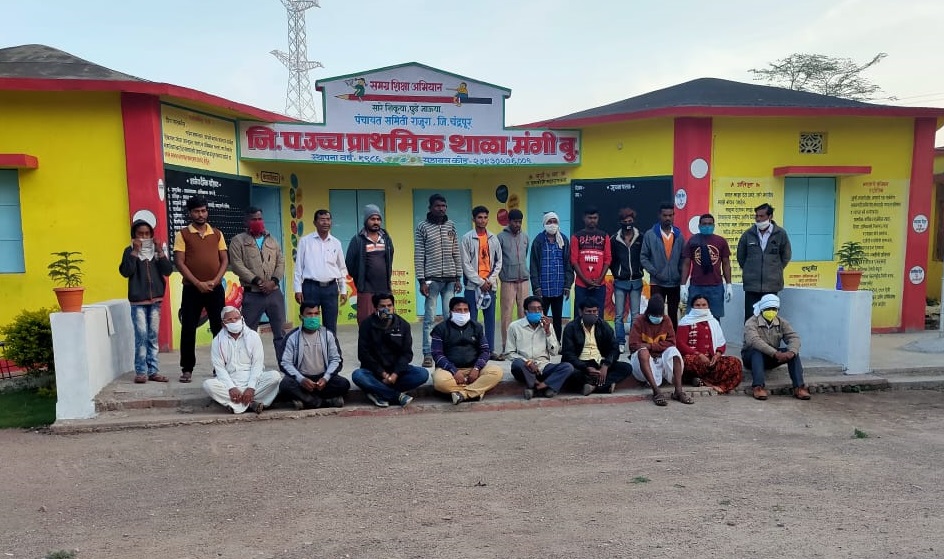
When Ambuja Foundation kickstarted work in the village of ‘Mangi Budruk’ in Chandrapur district of Maharashtra, the objective was clear – motivate and empower the community to transform with total sanitation. And that they did, with Mangi winning the Santh Gadgebaba Gram Swachhata Puraskar in 2013 and a cash award of Rs 25,000 for being the cleanest village in the Rajura Block in Chandrapur district.
But inspired by the success and momentum they had achieved thus far, the community identified more projects to work on in new and different areas. And they once again turned to Ambuja Foundation to guide them.
“They were so motivated and had seen so much success, that they kept coming back with more work to do for their development.” Ravi said. “And of course, projects get diversified over time – as we implement many development projects, often times, one thing leads to another in a community. We pivot or naturally progress from work in agriculture, towards projects in water or health. Once we start something in a community, it doesn’t get closed – it simply opens up another door,” he said.
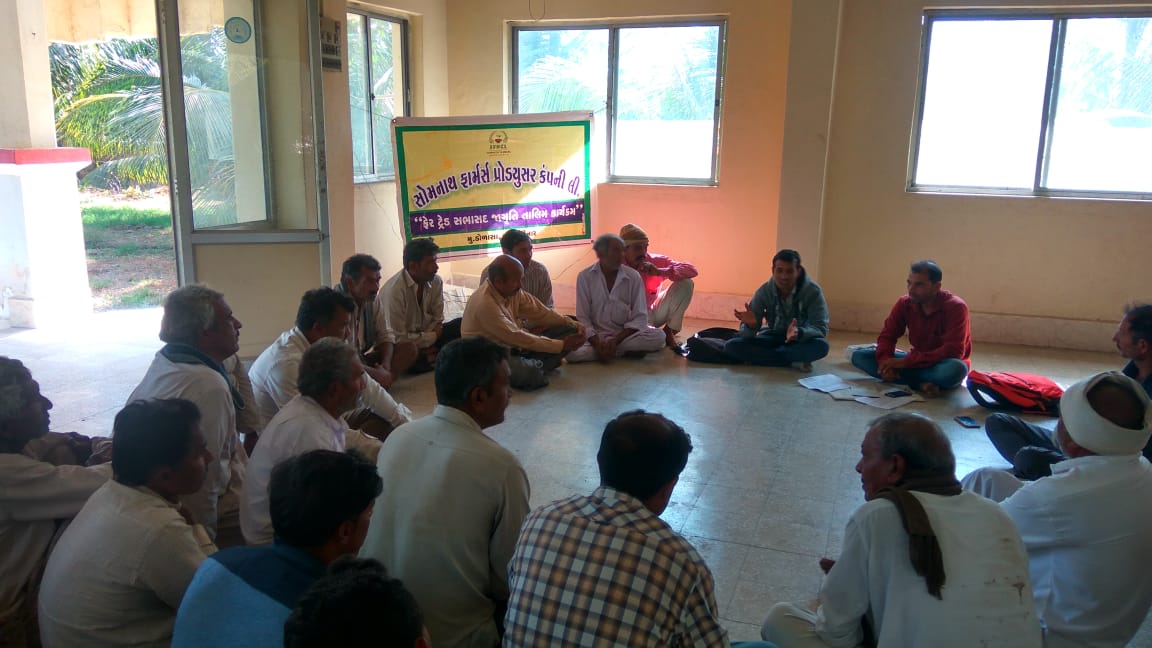
It seems a conundrum, where most development agencies vie for an exit strategy from a community at one point in time. But Ravi argues that there is a need for a longer-term view point when developing entire communities and building the capacity of people along the way. At the same time our role keeps on changing from implementer, to facilitators to advisors etc.
“How can we withdraw when a community is only just getting started? We develop their capacity to manage the resources, but still their capacity cannot be developed to the extent where they can tackle every challenge or hurdle. There are always new technologies emerging, there is always a new crisis, and the community needs support to excel on their solutions to that.” He said.
In the case of Mangi, where once the focus was on sanitation, today the focus is on water resource management, farm and off farm livleihood promotion, health and education, with the community seeking Ambuja Foundation’s guidance and support in these new areas.
“Of course, an exit strategy for a program is there, but it is becoming increasingly difficult to exit from a community because there are so many other initiatives to catalyse – the need is often so diverse and so great. And there is yet so much to be done,” Ravi said.
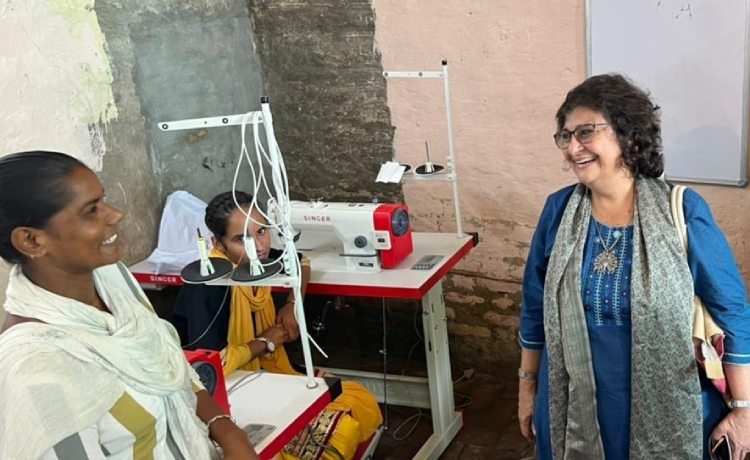
“In 2020, we started kitchen gardening across a number of locations working with SHGs – distributing vegetable seedlings and guiding them on best practices. The initial purpose was to provide added nutritional supplements to diets. But so successful has it been, that now this is growing and what started as a health initiative is now evolving into an income generation activity.” Ravi said. “And then women became even more motivated and wanted to start poultry and goatery, along with kitchen gardening, and so the focus shifted over that!.”
“Our aim is to help rural families prosper, and that prosperity has different levels. Moving a family above the poverty line should never just be an end point. Above the poverty line still sees them living in difficult circumstances – and so it is our role to facilitate to move the needle to the next level.”
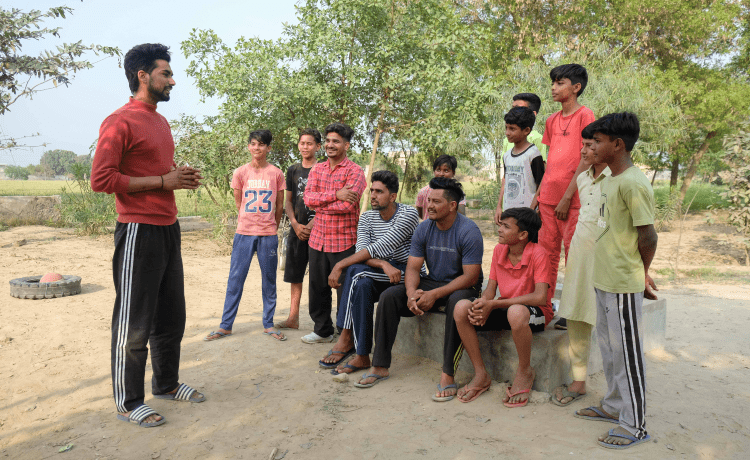
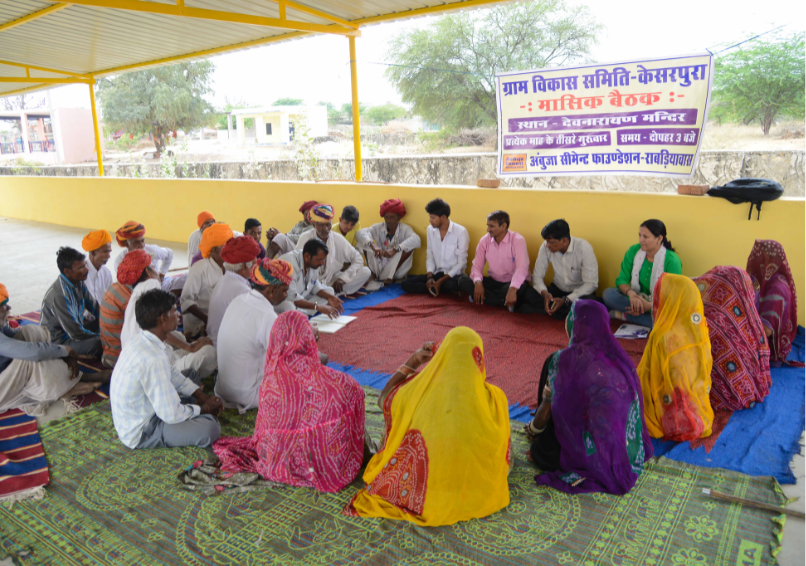
“Additionally, true community development is a process with a gestation period. Developing a project is one thing, but developing ‘people’ is another and that process takes time. Ensuring ownership and capacity building of the people is a much slower process than simply executing projects, and it is often held up along the way with differences of opinions from within the community.” Mr Nayse said.
“And with people and new ideas emerging and evolving all the time, there is a need for patience if community development is to be sustainable in the long term. We help people climb the ladder of development and often we can see they have reached to some level – but even once people have come out of poverty we cannot say our role is over. Needs will simply change and our work must go on.”
“What we do see happen however, is that our role evolves. It too transforms. From acting as a facilitator, to providing support and guidance, to helping develop a ‘vision’ for transformation to strong governance for their institutions. Our role changes and diminishes as the community grows and people step up into leadership roles.”