


July 25, 2025

A Kitchen Garden Lifestyle

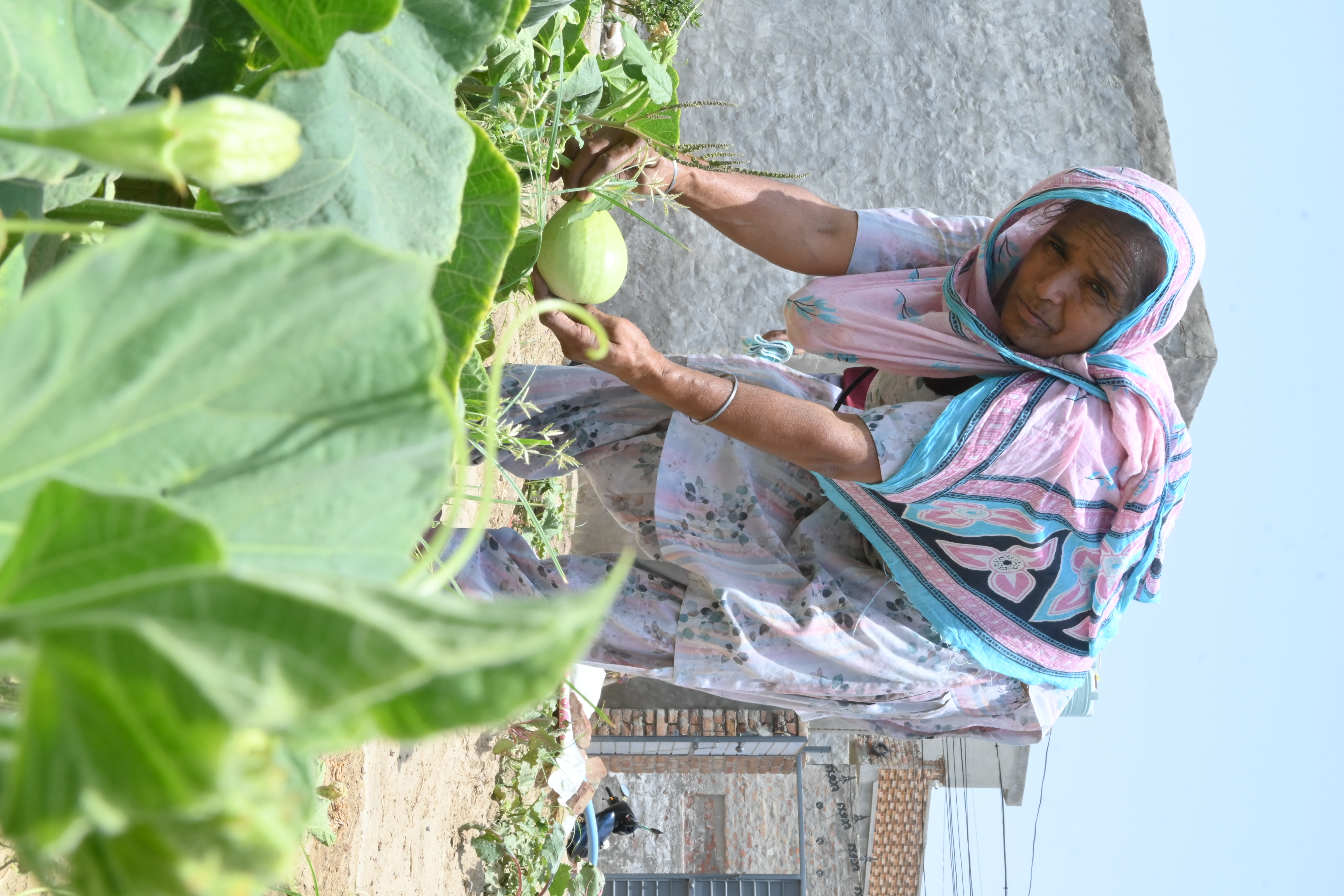
Ambuja Foundation promotes kitchen gardening as a way to improve nutrition, particularly for women, and to provide a supplementary income source for families, especially during times like the COVID-19 lockdown. Essentials like training, seeds, and support to individuals and Self-Help Groups (SHGs) to establish and maintain kitchen gardens, encouraging the consumption of fresh vegetables and the sale of surplus produce in local markets.


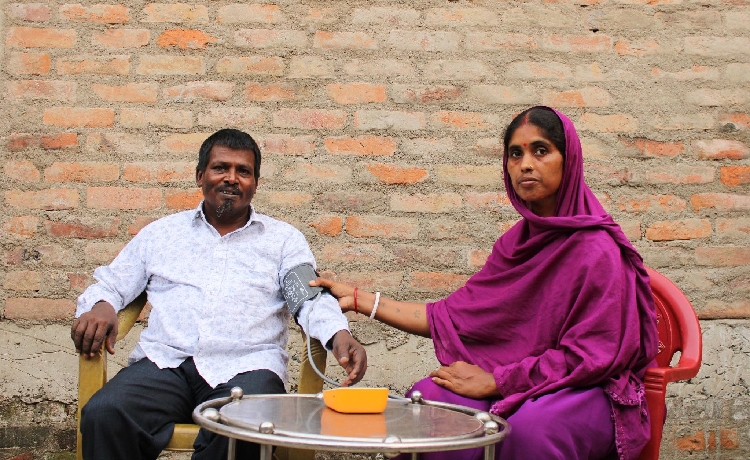
In the initial phase, Ambuja Foundation provided training to beneficiaries and oriented them on how to grow atleast 10 vegetables in a small piece of land. Home grown vegetables provides a nutritious balanced diet maintains weight and helps increase high density lipid (HDL). It is also important to maintain Haemoglobin (HB) levels and thus Ambuja Foundation is also working with adolescents to create awareness and conduct HB test at least once in a year.

uploaded picture


Adequate nutrition is not only dependent on the quantity of food available. The seed kit provided by the foundation ensures a range of essential micro-nutrients like proteins, carbohydrates, vitamins, magnesium, iron, folate, manganese, zinc, potassium, sodium, calcium, fibre, phosphorous among others.


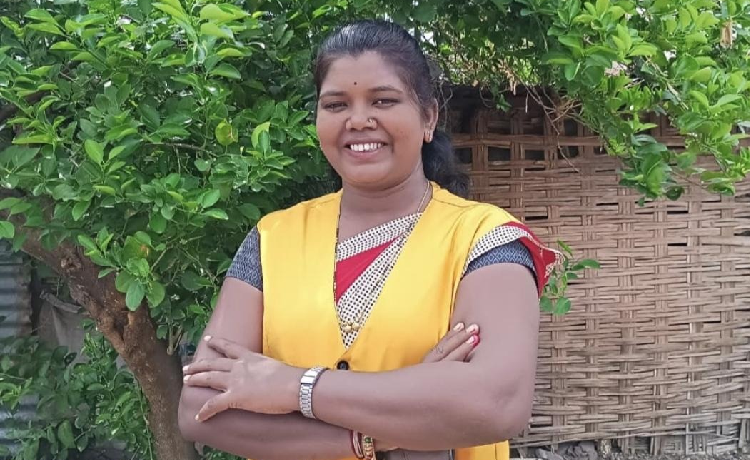
Sukhpreet Kaur, a beneficiary and a resident of Mehma Sawai village says, “Apart from saving money, the kitchen garden initiative also helped me to improve the nutrition status of my family. Regular intake of nutrient rich vegetables like Lady Finger, Spinach, Bottle Gourd increases energy levels and efficiency at work.”
Tags: Health
July 25, 2025

RELATED POSTS
  • Innovative Solutions for Maternal & Child Health
    April 28, 2017
    Fifty key stakeholders from the 'Maternal & Child Health' sector came together in Mumbai in March 2017, to identify innovative solutions to key challenges faced in service delivery at a community level.
  • Non-Communicable Diseases - A Multi-Stakeholder Consultation
    January 04, 2018
    A major public health concern of today is the growing levels of non-communicable diseases (NCD). It is now also known that NCDs are not restricted to the affluent and urban sections of the society; their prevalence has increased among the poor and the rural population is also affected almost equally.
  • Diagnosis & Treatment Helps Fight the Scourge of Diabetes & Other NCDs
    January 07, 2019
    At the ripe old age of 80, Sonubai Haridas Pote still manages the household and supports her husband in farming. But her ability had been hindered since the advent of Diabetes and Hypertension 6 years ago, and for the last 2 years had found it difficult to visit the hospital for her routine treatment.
  • In Conversation: Harvard's Dr. Lindsay Jaacks on NCDs in India
    January 10, 2019
    Dr. Lindsay Jaacks, Assistant Professor at the Harvard Chan School of Public Health, will be participating in a Symposium on 'Models for Control of Non-Communicable Disease in Global Health.' In this candid conversation, she sheds light on Non-Communicable Disease in India in the context of global trends.
  • Winning the War on NCDs in Rural India
    January 10, 2019
    The evidence to mount strong interventions against Non-communicable diseases (NCDs) in India, is compelling - a recent Harvard University and World Economic Forum Report on NCDs claimed that India stands to lose $4.5 trillion before 2030 due to NCDs alone.
An Opportunity to Support
SUBSCRIBE TO OUR NEWSLETTER & BLOGS
Stay updated on the latest insights from Ambuja Foundation.
GET CONNECTED